

How to Get Barcode for Product in India
F
Discover verified facts, data, and insights about India’s states, culture, economy, education, and more — all in one place at FactBharat.
Search for a command to run...
Discover verified facts, data, and insights about India’s states, culture, economy, education, and more — all in one place at FactBharat.
No comments yet. Be the first to comment.
Moving to the USA from India is a dream for many. Whether you want to study, work, or live with family, the process can seem complex. But with the right information, you can plan your move confidently. I’ll guide you through the key steps and options...
Opening a college in India is a dream for many educators and entrepreneurs who want to contribute to the country’s education sector. If you are one of those who want to start a college, you need to understand the process clearly. It involves several ...
Opening a hospital in India is a significant and rewarding venture. If you’ve ever wondered how to start one, you’re in the right place. Whether you’re a healthcare professional, entrepreneur, or investor, understanding the process is crucial. You’ll...
Opening a medical store in India can be a rewarding business opportunity. You get to serve your community by providing essential medicines and healthcare products. If you are thinking about starting a medical store, you might wonder where to begin an...
Opening a restaurant in India can be an exciting and rewarding venture. Whether you dream of serving traditional Indian dishes or international cuisine, the process involves careful planning and understanding of local regulations. If you’re ready to ...
FactBharat | Insights About India
2558 posts
Discover verified facts, data, and insights about India’s states, culture, economy, education, and more — all in one place at FactBharat.
Getting a barcode for your product in India is an essential step if you want to sell your items in retail stores or online marketplaces. Barcodes help identify your product uniquely and make inventory management easier. If you’re new to this, you might wonder how to get a barcode, what the process involves, and how much it costs.
In this article, I’ll guide you through the entire process of obtaining a barcode for your product in India. You’ll learn about the official agencies, the types of barcodes, the registration steps, and some useful tips to avoid common mistakes. By the end, you’ll feel confident about getting your product barcode and boosting your business.
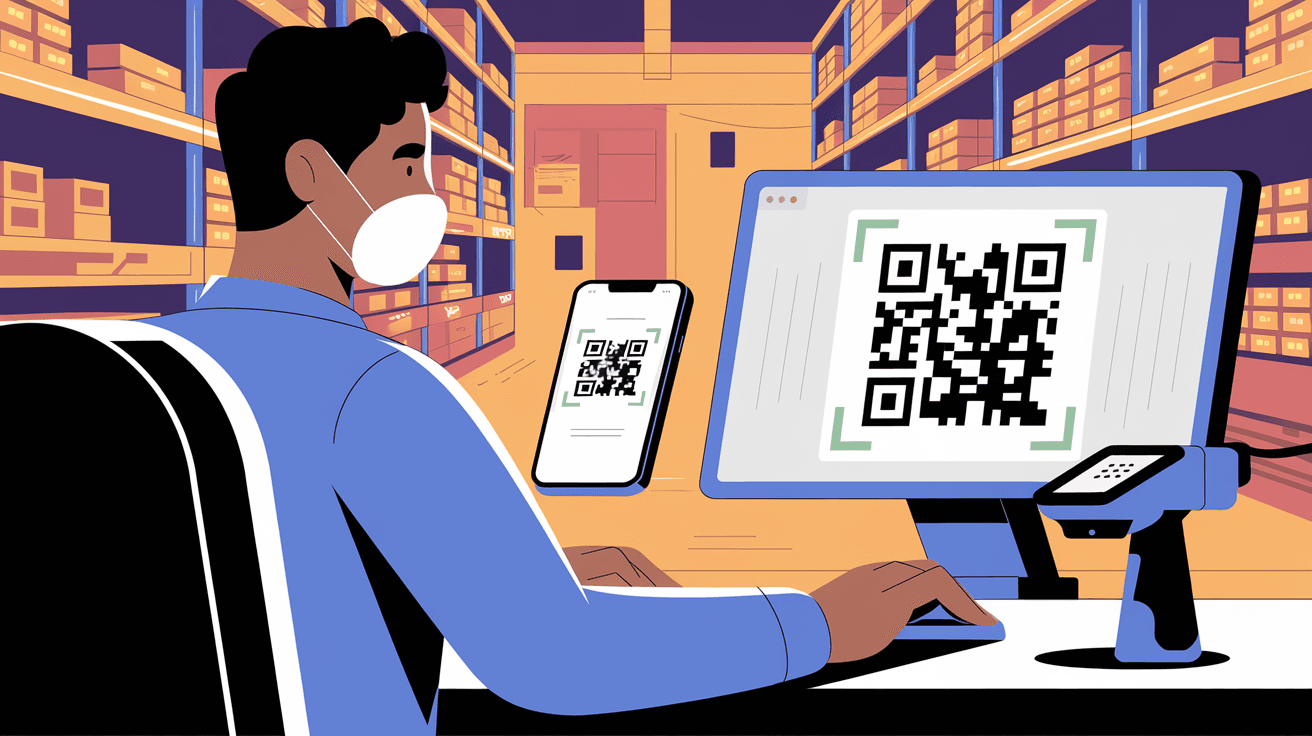
A barcode is a series of black and white lines or squares that represent data about your product. When scanned, it reveals information like the product’s name, price, and manufacturer. Barcodes are used worldwide to track products in stores, warehouses, and online.
In India, having a barcode is important because:
Without a barcode, your product might not be accepted by major retailers or online stores, limiting your sales opportunities.
Before you get a barcode, it’s good to know the common types used in India:
For most Indian products, you will need an EAN-13 barcode.
In India, the official agency authorized to issue barcodes is GS1 India. GS1 is a global organization that manages barcode standards worldwide. GS1 India is the only legitimate body that provides unique barcode numbers to Indian businesses.
You can’t just create your own barcode or buy one from unofficial sellers. Using barcodes from unauthorized sources can cause problems with retailers and e-commerce platforms.
Here’s how you can get a barcode for your product through GS1 India:
Before applying for a barcode, you need to have a registered business entity in India. This can be:
You will need your business registration documents like GST registration, PAN card, and address proof.
Go to the official GS1 India website (https://www.gs1india.org). This is where you will apply for your barcode license.
You need to fill out the online application form with details such as:
GS1 India offers different packages based on the number of barcodes you need:
| Package Type | Number of Barcodes | Approximate Cost (INR) |
| Small (1-10 barcodes) | 1 to 10 | ₹5,000 - ₹7,000 |
| Medium (11-100 barcodes) | 11 to 100 | ₹10,000 - ₹15,000 |
| Large (100+ barcodes) | 100 and above | Custom pricing |
Choose the package that fits your business needs.
Upload your business documents and pay the registration fee online. GS1 India accepts various payment methods like net banking, credit/debit cards, and UPI.
Once your application is approved, GS1 India will assign you a unique Company Prefix. This prefix forms the first part of your barcode number and identifies your company globally.
Using the company prefix, you can create unique barcode numbers for each product. GS1 India provides tools and guidelines to generate barcodes correctly.
You can download barcode images in formats like PNG or JPEG. These images can be printed on your product packaging or labels.
Place the barcode on your product packaging where it can be easily scanned by retailers and customers.
Getting a barcode might seem straightforward, but some common mistakes can cause delays or issues:
The cost depends on the number of barcodes and your business size. Here’s a rough idea:
Compared to the benefits, these costs are reasonable for businesses serious about selling their products widely.
The entire process usually takes between 3 to 7 working days after submitting your application and documents. GS1 India processes applications quickly if all documents are in order.
You will receive your company prefix and barcode numbers via email. You can then start using them immediately.
If you plan to sell on platforms like Amazon India, Flipkart, or BigBasket, barcodes are mandatory. These platforms require GS1 barcodes to verify your products and avoid counterfeit listings.
Make sure your barcode matches the product details exactly to prevent listing rejections.
If you have many products, you can buy a larger barcode package or request a custom plan from GS1 India. Each product needs a unique barcode number.
You can also assign barcodes to different product variants like size or color.
Some sellers look for cheaper alternatives like barcode resellers or free barcode generators online. However:
Stick with GS1 India for long-term business success.
After getting your barcode, you can verify it using online tools or GS1 India’s verification services. This ensures your barcode is valid and scannable.
Getting a barcode for your product in India is a crucial step to grow your business and reach more customers. By registering with GS1 India, you get a unique company prefix and valid barcodes that retailers and online platforms trust.
The process is simple if you follow the steps: register your business, apply on GS1 India’s website, choose the right package, and use the barcodes correctly. Avoid unofficial sources to prevent problems.
With your barcode ready, you can confidently list your products in stores and online, making inventory management easier and boosting your sales. Take the time to get your barcode right, and your business will benefit greatly.
The cost ranges from ₹5,000 to ₹15,000 for initial registration, depending on the number of barcodes. There is also an annual renewal fee of ₹2,000 to ₹5,000.
No, barcodes must be issued by GS1 India to be valid and accepted by retailers and e-commerce platforms in India.
It usually takes 3 to 7 working days after submitting your application and documents to receive your barcode.
Yes, Amazon India requires GS1 barcodes to list products and prevent counterfeit items.
No, each product and its variants need a unique barcode to avoid confusion and ensure proper tracking.