

How to Form NGO in India
F
Discover verified facts, data, and insights about India’s states, culture, economy, education, and more — all in one place at FactBharat.
Search for a command to run...
Discover verified facts, data, and insights about India’s states, culture, economy, education, and more — all in one place at FactBharat.
No comments yet. Be the first to comment.
Moving to the USA from India is a dream for many. Whether you want to study, work, or live with family, the process can seem complex. But with the right information, you can plan your move confidently. I’ll guide you through the key steps and options...
Opening a college in India is a dream for many educators and entrepreneurs who want to contribute to the country’s education sector. If you are one of those who want to start a college, you need to understand the process clearly. It involves several ...
Opening a hospital in India is a significant and rewarding venture. If you’ve ever wondered how to start one, you’re in the right place. Whether you’re a healthcare professional, entrepreneur, or investor, understanding the process is crucial. You’ll...
Opening a medical store in India can be a rewarding business opportunity. You get to serve your community by providing essential medicines and healthcare products. If you are thinking about starting a medical store, you might wonder where to begin an...
Opening a restaurant in India can be an exciting and rewarding venture. Whether you dream of serving traditional Indian dishes or international cuisine, the process involves careful planning and understanding of local regulations. If you’re ready to ...
FactBharat | Insights About India
2558 posts
Discover verified facts, data, and insights about India’s states, culture, economy, education, and more — all in one place at FactBharat.
Starting an NGO in India can be a rewarding way to make a positive impact on society. If you want to help communities, promote education, or support environmental causes, forming an NGO is a great step. But you might wonder, how do you actually start one? What legal steps do you need to follow? And how long does it take?
In this article, I will guide you through the entire process of forming an NGO in India. You will learn about the types of NGOs, registration options, required documents, and important tips. By the end, you’ll have a clear roadmap to start your own NGO smoothly and legally.
An NGO, or Non-Governmental Organization, is a nonprofit group that works independently from the government. NGOs focus on social, environmental, educational, or humanitarian issues. They rely on donations, grants, and volunteers to carry out their mission.
In India, NGOs play a vital role in addressing challenges like poverty, health, education, and women’s empowerment. They can be small local groups or large national organizations. Before you form an NGO, it’s important to understand the types and legal structures available.
There are mainly three types of NGOs you can register in India:
Each type has its own advantages and legal requirements. Choosing the right one depends on your NGO’s goals and future plans.
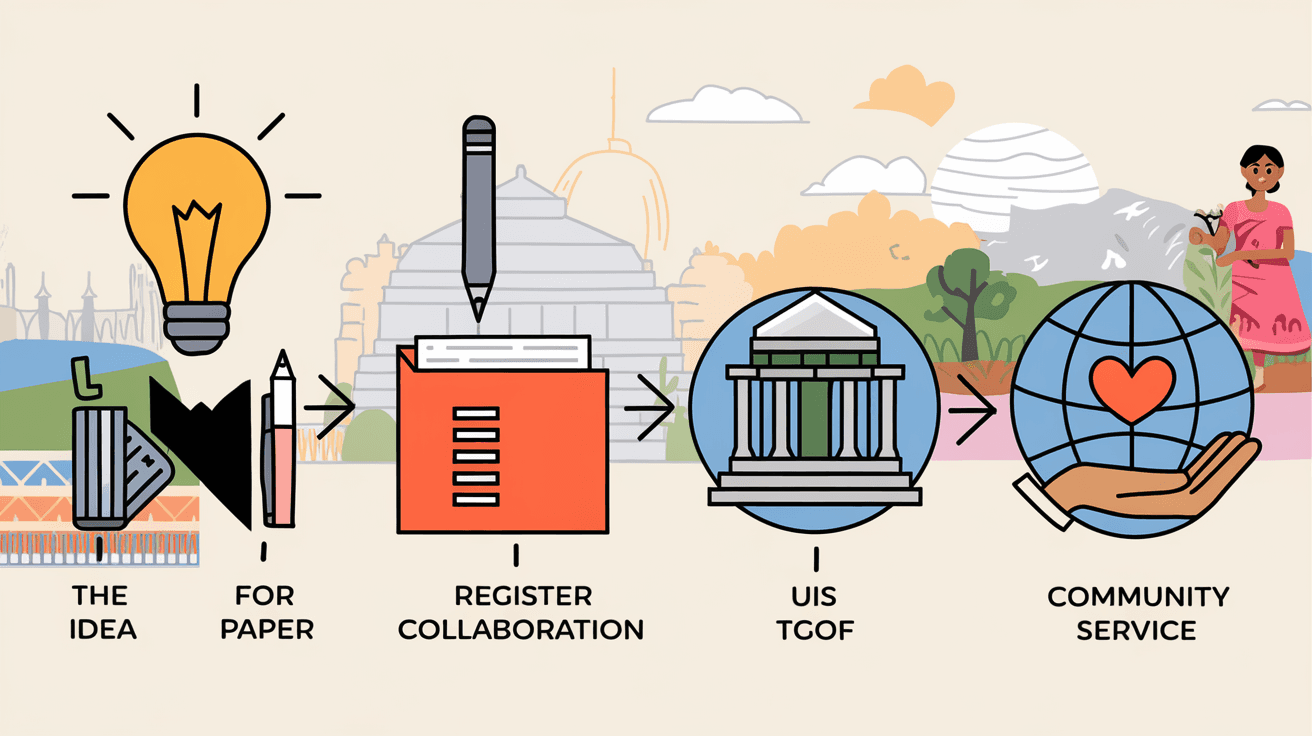
Forming an NGO involves several steps, from planning to registration. Here’s a clear breakdown of what you need to do.
Before you start the legal process, clarify your NGO’s mission. Ask yourself:
Having a clear vision helps attract supporters and guides your NGO’s work.
Decide whether you want to register as a Trust, Society, or Section 8 Company. Consider factors like:
Your NGO’s name should be unique and reflect its purpose. Check the availability of the name online to avoid duplication. For Section 8 companies, you can reserve the name through the Ministry of Corporate Affairs portal.
Depending on the type of NGO, you will need different documents:
Here’s how to register each type:
Once registered, apply for a Permanent Account Number (PAN) for your NGO. This is essential for tax purposes. Then, open a bank account in the NGO’s name to handle donations and expenses.
To benefit from tax exemptions, register under:
These registrations improve your NGO’s credibility and encourage donations.
Running an NGO in India requires following certain legal rules. Here are key points to keep in mind:
Starting an NGO is just the beginning. To make it successful, consider these tips:
Forming an NGO can be complex. You might face challenges like:
To overcome these, seek professional advice from lawyers or consultants. Attend workshops or seminars on NGO management. Start small and scale gradually.
Forming an NGO in India is a meaningful way to contribute to society. By understanding the types of NGOs, following the registration steps, and complying with legal requirements, you can set up your organization smoothly. Remember, a clear mission and good planning are key to your NGO’s success.
If you are passionate about making a difference, take the first step today. With dedication and the right approach, your NGO can create lasting positive change in your community and beyond.
Registering a Trust is generally the easiest and fastest way to start an NGO. It requires fewer members and simpler documentation compared to societies or Section 8 companies.
The registration process can take anywhere from 15 days to 2 months, depending on the type of NGO and the efficiency of the local Registrar’s office.
Yes, foreigners can start an NGO in India, but they must comply with the Foreign Contribution Regulation Act (FCRA) if they receive foreign donations.
NGOs registered under Section 12A get income tax exemption, and donors can claim deductions under Section 80G, encouraging more donations.
While not mandatory, having a website helps NGOs increase visibility, attract donors, and share updates with the public effectively.