

How to Form a Political Party in India
F
Discover verified facts, data, and insights about India’s states, culture, economy, education, and more — all in one place at FactBharat.
Search for a command to run...
Discover verified facts, data, and insights about India’s states, culture, economy, education, and more — all in one place at FactBharat.
No comments yet. Be the first to comment.
Moving to the USA from India is a dream for many. Whether you want to study, work, or live with family, the process can seem complex. But with the right information, you can plan your move confidently. I’ll guide you through the key steps and options...
Opening a college in India is a dream for many educators and entrepreneurs who want to contribute to the country’s education sector. If you are one of those who want to start a college, you need to understand the process clearly. It involves several ...
Opening a hospital in India is a significant and rewarding venture. If you’ve ever wondered how to start one, you’re in the right place. Whether you’re a healthcare professional, entrepreneur, or investor, understanding the process is crucial. You’ll...
Opening a medical store in India can be a rewarding business opportunity. You get to serve your community by providing essential medicines and healthcare products. If you are thinking about starting a medical store, you might wonder where to begin an...
Opening a restaurant in India can be an exciting and rewarding venture. Whether you dream of serving traditional Indian dishes or international cuisine, the process involves careful planning and understanding of local regulations. If you’re ready to ...
FactBharat | Insights About India
2558 posts
Discover verified facts, data, and insights about India’s states, culture, economy, education, and more — all in one place at FactBharat.
Forming a political party in India is an exciting way to participate in the democratic process. If you want to bring change or represent a specific community or ideology, starting your own party can be a powerful tool. However, it requires understanding the legal framework and following specific steps to make your party official and recognized.
In this article, I will guide you through the entire process of forming a political party in India. From the initial planning to registration with the Election Commission, you’ll learn what it takes to create a political party that can contest elections and influence policy. Let’s dive into the details so you can start your political journey with confidence.
Before you start, it’s important to know what a political party is and why registration matters. A political party is a group of people who share common political goals and work together to contest elections and influence government policies.
Without registration, your party cannot officially participate in elections, limiting your impact.
Every political party starts with a group of committed individuals who share a vision. You need to:
This foundation is crucial because your party’s identity will be based on these elements.
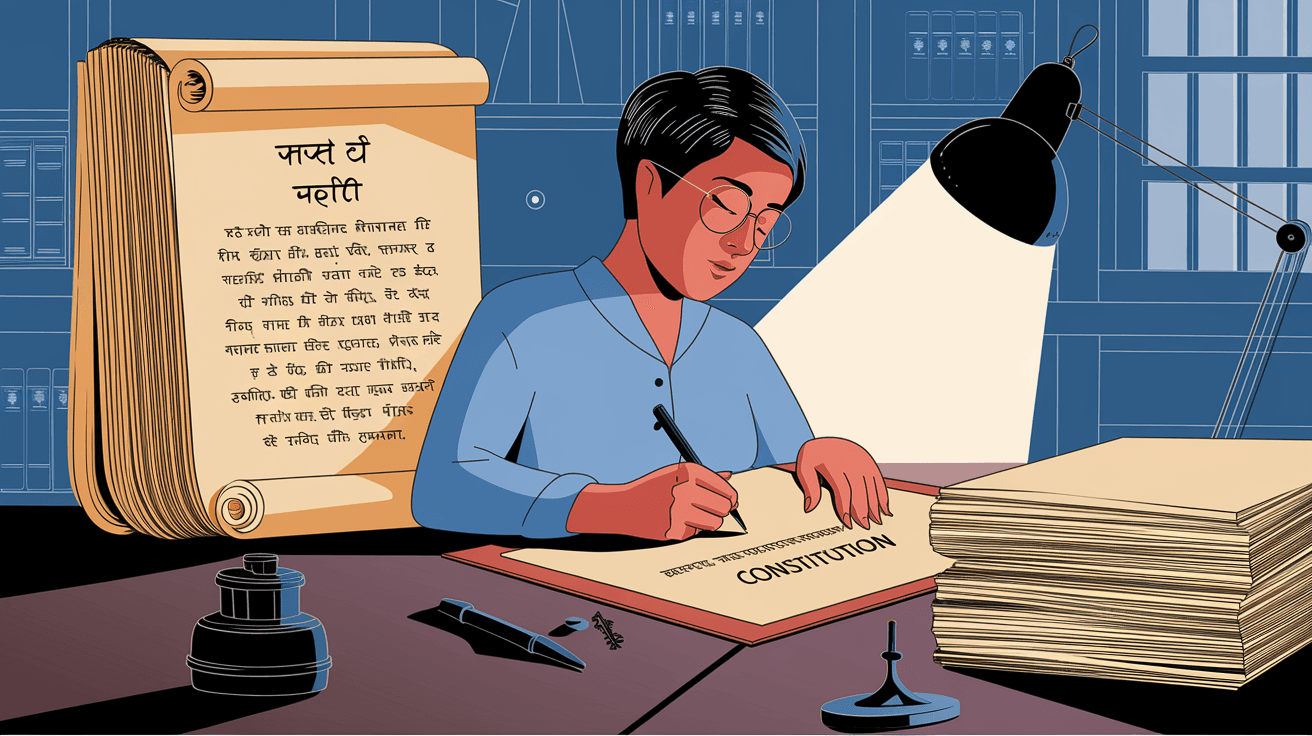
Your party must have a written constitution that outlines:
This document acts as the party’s rulebook and is required for registration.
Registration is mandatory under the Representation of the People Act, 1951. Here’s how you can apply:
The process usually takes 6 to 12 months, depending on the completeness of your documents and any queries from the ECI.
Symbols are crucial in Indian elections because many voters recognize parties by their symbols. The ECI allots symbols based on availability and party status.
Political parties in India must follow strict rules on funding and transparency:
These rules help maintain fairness and transparency in politics.
Once registered, you can contest elections at local, state, or national levels. To grow your party:
Remember, political success takes time and consistent effort.
Starting a political party is not easy. You may face:
Being prepared for these challenges will help you stay focused.
Forming a political party in India is a detailed process that requires careful planning and adherence to legal norms. By gathering a committed team, drafting a clear constitution, and registering with the Election Commission, you can create a party that represents your vision. Remember to follow funding rules and build your party’s presence steadily.
If you are passionate about making a difference, starting your own political party can be a rewarding journey. Stay patient, organized, and focused on your goals, and you’ll be ready to participate fully in India’s vibrant democracy.
You need at least 10 members as founding members to form a political party and apply for registration with the Election Commission.
The registration fee is Rs. 10,000, payable via demand draft to the Election Commission of India.
Yes, but you must apply to the Election Commission for approval and follow the prescribed procedure for name change.
Registration typically takes between 6 to 12 months, depending on document verification and compliance.
Yes, a party symbol is essential for contesting elections, and the Election Commission allots it during registration or election time.