

How to Find a Job in Australia from India
F
Discover verified facts, data, and insights about India’s states, culture, economy, education, and more — all in one place at FactBharat.
Search for a command to run...
Discover verified facts, data, and insights about India’s states, culture, economy, education, and more — all in one place at FactBharat.
No comments yet. Be the first to comment.
Moving to the USA from India is a dream for many. Whether you want to study, work, or live with family, the process can seem complex. But with the right information, you can plan your move confidently. I’ll guide you through the key steps and options...
Opening a college in India is a dream for many educators and entrepreneurs who want to contribute to the country’s education sector. If you are one of those who want to start a college, you need to understand the process clearly. It involves several ...
Opening a hospital in India is a significant and rewarding venture. If you’ve ever wondered how to start one, you’re in the right place. Whether you’re a healthcare professional, entrepreneur, or investor, understanding the process is crucial. You’ll...
Opening a medical store in India can be a rewarding business opportunity. You get to serve your community by providing essential medicines and healthcare products. If you are thinking about starting a medical store, you might wonder where to begin an...
Opening a restaurant in India can be an exciting and rewarding venture. Whether you dream of serving traditional Indian dishes or international cuisine, the process involves careful planning and understanding of local regulations. If you’re ready to ...
FactBharat | Insights About India
2558 posts
Discover verified facts, data, and insights about India’s states, culture, economy, education, and more — all in one place at FactBharat.
Finding a job in Australia from India can feel like a big challenge. But with the right approach, you can make the process smoother and more successful. Whether you want to move for better career opportunities or a new lifestyle, knowing where to start is key.
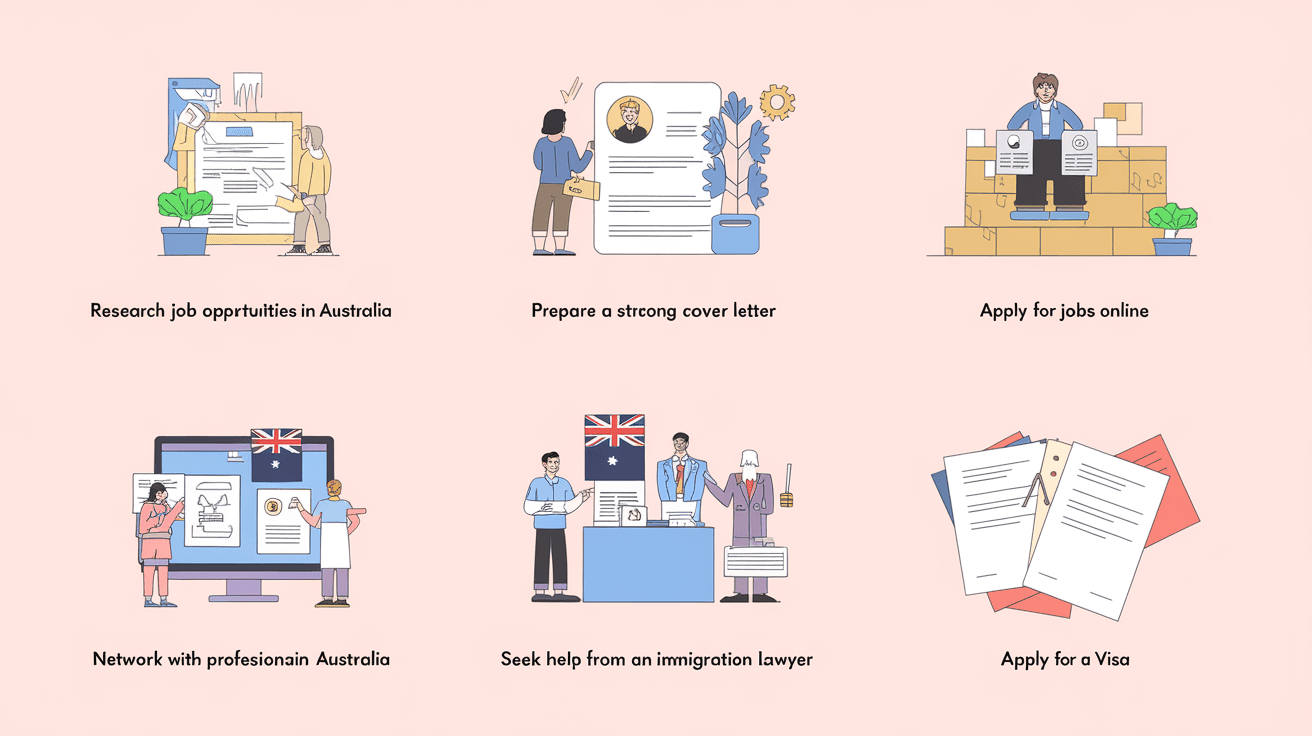
In this article, I’ll guide you through the essential steps to find a job in Australia from India. You’ll learn about the best job search methods, visa options, and how to prepare your application. By the end, you’ll feel more confident about your job hunt and ready to take action.
Before you start applying, it’s important to understand the Australian job market. Australia has a strong economy with demand in sectors like healthcare, IT, engineering, construction, and hospitality. Knowing which industries are hiring helps you focus your search.
Here are some key points about the job market:
Researching the job market helps you target roles that match your skills and increase your chances of success.
To work legally in Australia, you need the right visa. There are several visa options for Indian job seekers, depending on your skills and goals.
These visas are for people with skills Australia needs. The most popular is the Skilled Independent Visa (subclass 189), which doesn’t require employer sponsorship. You apply through a points-based system considering age, education, work experience, and English skills.
Other skilled visas include:
If you have a job offer from an Australian employer, you can apply for:
If you are under 35, the Working Holiday Visa (subclass 417) lets you work and travel in Australia for up to a year. This visa is limited and may not suit everyone.
Many Indian students come to Australia for education and work part-time during their studies. After graduation, you may be eligible for a Post-Study Work Visa to gain work experience.
Searching for jobs in Australia while still in India requires a focused strategy. Here are effective ways to find job openings:
Your resume and cover letter are your first impression. Australian employers expect a clear, concise, and well-structured application.
Knowing the work culture helps you prepare for interviews and workplace expectations.
Showing that you understand and respect these cultural aspects can improve your chances during interviews.
Once you find suitable jobs, apply carefully and prepare for interviews.
Finding a job in Australia from India takes planning, research, and persistence. By understanding the job market, choosing the right visa, and preparing a strong application, you can improve your chances of success. Use online resources, network actively, and be ready to adapt to Australian work culture.
Remember, the journey may take time, but with consistent effort, you can achieve your goal of working in Australia. Start today by exploring job portals and visa options, and take the first step toward your new career abroad.
The Skilled Independent Visa (subclass 189) is popular but requires meeting points criteria. Employer-sponsored visas can be easier if you have a job offer. The best visa depends on your skills and situation.
Yes, you can apply for jobs, but you must have the right visa to work legally. Employers often prefer candidates who already have work rights or are eligible for sponsorship.
It varies widely. Some find jobs in a few months, while others take longer. Factors include your industry, experience, and how actively you search.
Local experience is valued but not always required. Demonstrating your skills and adaptability can compensate for lack of Australian work experience.
Yes, student visas allow part-time work during studies, usually up to 40 hours per fortnight. This helps gain experience and support yourself financially.