

How to File a Patent in India
F
Discover verified facts, data, and insights about India’s states, culture, economy, education, and more — all in one place at FactBharat.
Search for a command to run...
Discover verified facts, data, and insights about India’s states, culture, economy, education, and more — all in one place at FactBharat.
No comments yet. Be the first to comment.
Moving to the USA from India is a dream for many. Whether you want to study, work, or live with family, the process can seem complex. But with the right information, you can plan your move confidently. I’ll guide you through the key steps and options...
Opening a college in India is a dream for many educators and entrepreneurs who want to contribute to the country’s education sector. If you are one of those who want to start a college, you need to understand the process clearly. It involves several ...
Opening a hospital in India is a significant and rewarding venture. If you’ve ever wondered how to start one, you’re in the right place. Whether you’re a healthcare professional, entrepreneur, or investor, understanding the process is crucial. You’ll...
Opening a medical store in India can be a rewarding business opportunity. You get to serve your community by providing essential medicines and healthcare products. If you are thinking about starting a medical store, you might wonder where to begin an...
Opening a restaurant in India can be an exciting and rewarding venture. Whether you dream of serving traditional Indian dishes or international cuisine, the process involves careful planning and understanding of local regulations. If you’re ready to ...
FactBharat | Insights About India
2558 posts
Discover verified facts, data, and insights about India’s states, culture, economy, education, and more — all in one place at FactBharat.
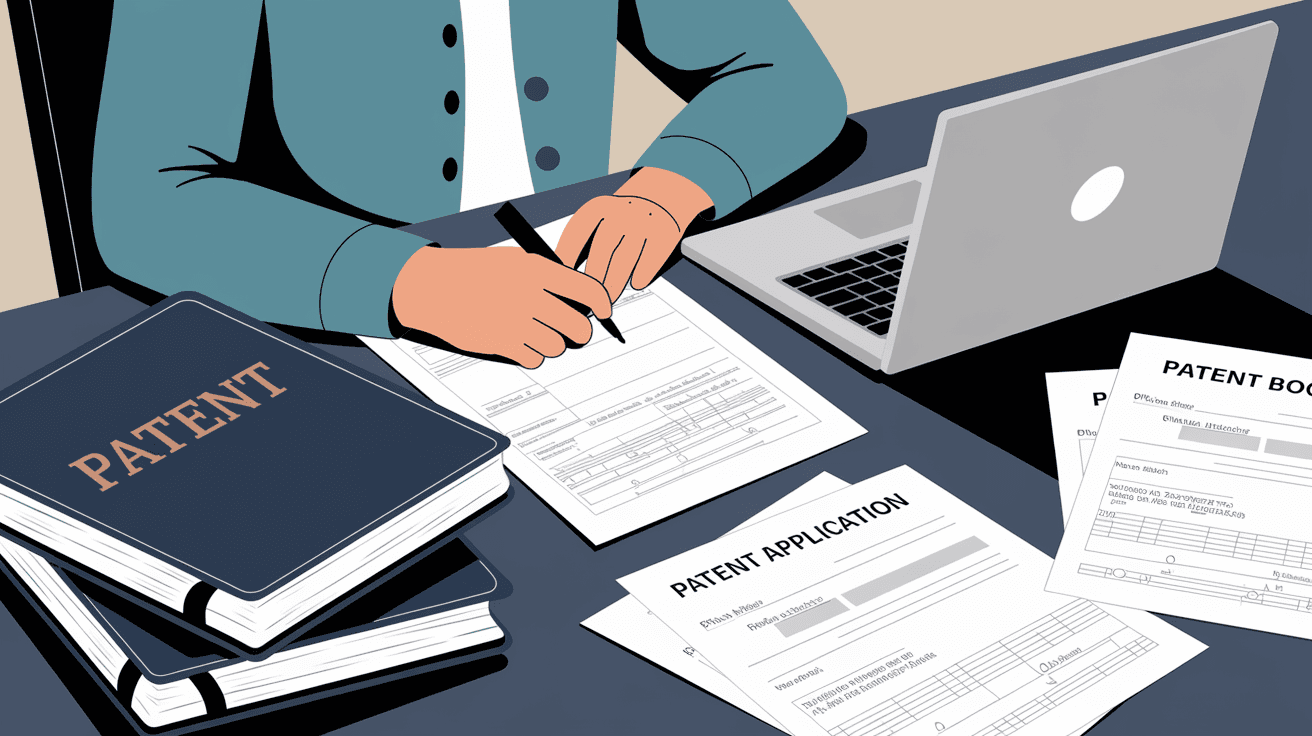
Filing a patent in India can seem complicated, but with the right guidance, you can protect your invention effectively. Whether you are an individual inventor or a business, understanding the patent filing process is crucial. In this article, I’ll walk you through the steps to file a patent in India, so you can safeguard your ideas and innovations.
You might wonder why patent protection matters. A patent gives you exclusive rights to your invention, preventing others from copying or selling it without your permission. This article will help you navigate the process smoothly, from eligibility to final approval, ensuring your invention gets the protection it deserves.
Before you start filing, it’s important to know what can be patented in India. The Indian Patent Act defines what inventions qualify for patent protection.
To qualify, your invention must be:
Checking eligibility early saves time and effort. You can also conduct a patent search to ensure your invention is unique.
Once you confirm your invention is patentable, preparation is key. Here’s what you need to do before filing:
Proper preparation ensures your application is strong and reduces the chances of rejection.
Filing a patent involves several steps, from submitting your application to getting the patent granted. Here’s a clear breakdown:
You can file your patent application online through the official Indian Patent Office website or physically at one of the patent offices in Delhi, Mumbai, Chennai, or Kolkata.
After 18 months from the filing date, your patent application is published in the Patent Journal. You can request early publication by paying a fee, which speeds up the process.
You must file a request for examination within 48 months from the priority date. The patent office then examines your application for compliance with patent laws.
The patent office issues a First Examination Report (FER) highlighting objections or issues. You have an opportunity to respond and amend your application.
If the patent office is satisfied, your patent is granted and published in the Patent Journal. You must pay renewal fees to keep your patent active.
Having the right documents ready is essential. Here’s a list of key documents you’ll need:
Make sure all documents are accurate and complete to avoid delays.
Filing a patent in India involves various fees. Here’s a quick overview:
| Fee Type | Approximate Cost (INR) |
| Filing a provisional application | 1,600 (individual) / 8,000 (others) |
| Filing a complete application | 4,000 (individual) / 20,000 (others) |
| Request for examination | 1,200 (individual) / 6,000 (others) |
| Renewal fees (annual) | Starts at 800, increases yearly |
| Early publication request | 2,000 (individual) / 10,000 (others) |
Note: Fees are lower for startups, small entities, and individuals.
Filing a patent can be tricky, but these tips can help you avoid common pitfalls:
Following these tips will make your patent journey smoother.
Once your patent is granted, you gain exclusive rights for 20 years from the filing date. Here’s what you should know:
Owning a patent can open new business opportunities and increase your invention’s value.
Filing a patent in India can come with challenges. Here are some common ones and how to handle them:
Being prepared for these challenges helps you stay on track.
Filing a patent in India is a valuable step to protect your invention and gain exclusive rights. By understanding eligibility, preparing your documents carefully, and following the official process, you can secure your patent successfully. Remember, early filing and professional guidance make a big difference.
Your invention deserves protection, and now you know how to file a patent in India with confidence. Take action today to safeguard your ideas and unlock new opportunities for innovation and growth.
The patent process typically takes 3 to 5 years, depending on the complexity and response time to examination reports. Expedited examination can shorten this period.
Yes, you can file on your own, but hiring a registered patent agent is recommended to avoid errors and improve your chances of success.
A provisional application secures your filing date with basic details, while a complete application contains full specifications and claims.
Yes, startups and small entities get significant fee reductions on filing, examination, and renewal fees.
Software per se is not patentable, but inventions involving software combined with hardware or technical processes may qualify.