

How to File a Defamation Case in India
F
Discover verified facts, data, and insights about India’s states, culture, economy, education, and more — all in one place at FactBharat.
Search for a command to run...
Discover verified facts, data, and insights about India’s states, culture, economy, education, and more — all in one place at FactBharat.
No comments yet. Be the first to comment.
Moving to the USA from India is a dream for many. Whether you want to study, work, or live with family, the process can seem complex. But with the right information, you can plan your move confidently. I’ll guide you through the key steps and options...
Opening a college in India is a dream for many educators and entrepreneurs who want to contribute to the country’s education sector. If you are one of those who want to start a college, you need to understand the process clearly. It involves several ...
Opening a hospital in India is a significant and rewarding venture. If you’ve ever wondered how to start one, you’re in the right place. Whether you’re a healthcare professional, entrepreneur, or investor, understanding the process is crucial. You’ll...
Opening a medical store in India can be a rewarding business opportunity. You get to serve your community by providing essential medicines and healthcare products. If you are thinking about starting a medical store, you might wonder where to begin an...
Opening a restaurant in India can be an exciting and rewarding venture. Whether you dream of serving traditional Indian dishes or international cuisine, the process involves careful planning and understanding of local regulations. If you’re ready to ...
FactBharat | Insights About India
2558 posts
Discover verified facts, data, and insights about India’s states, culture, economy, education, and more — all in one place at FactBharat.
Filing a defamation case in India can feel overwhelming if you don’t know where to start. Whether someone has harmed your reputation through false statements or damaging content, understanding the legal process is crucial. You want to protect your name and seek justice, but the path to filing a defamation suit involves specific steps and legal knowledge.
In this article, I’ll guide you through the entire process of filing a defamation case in India. We’ll cover what defamation means under Indian law, the types of defamation, how to prepare your case, and the legal procedures involved. By the end, you’ll feel confident about taking the right steps to defend your reputation.
Defamation is when someone makes a false statement that harms your reputation. In India, defamation is both a civil wrong and a criminal offense. This means you can sue for damages or file a criminal complaint.
The Indian Penal Code (IPC) covers criminal defamation under Section 499 and Section 500. Civil defamation cases are filed under the law of torts, where you seek compensation for the harm caused.
You can file a defamation case if:
For example, if someone spreads false rumors about your business or personal life that cause financial loss or social embarrassment, you may have grounds to file a case.
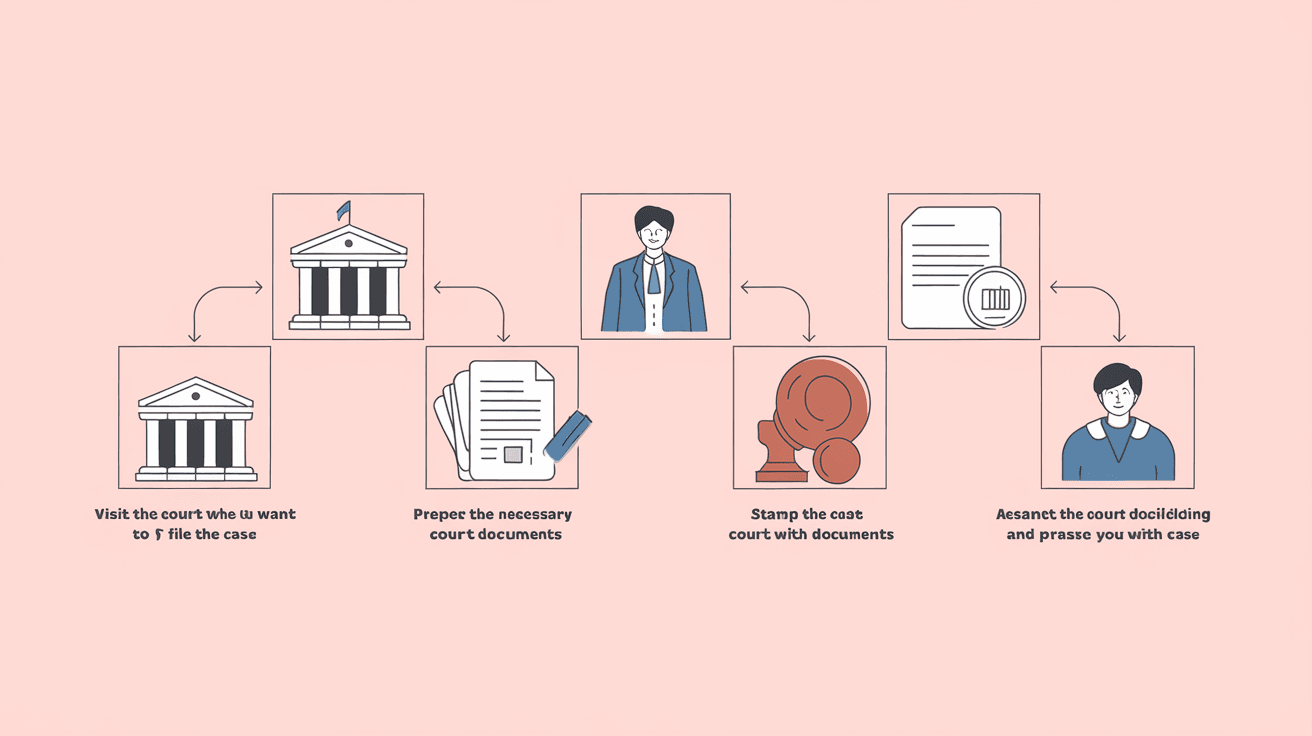
Filing a defamation case involves several legal steps. Here’s a clear breakdown:
Before filing, gather proof of the defamatory statement. This can include:
Strong evidence is key to proving your case.
Defamation law can be complex. A lawyer experienced in defamation cases will:
Often, the first step is to send a legal notice to the person who made the defamatory statement. This notice demands:
Sending a notice can sometimes resolve the issue without going to court.
If the issue isn’t resolved, you can proceed by:
Your lawyer will help decide the best approach based on your situation.
Once filed, the court will:
Court cases can take time, so patience is important.
Here are key legal points about defamation in India:
| Provision | Description |
| IPC Section 499 | Defines defamation and exceptions (truth, fair comment, etc.) |
| IPC Section 500 | Punishment for defamation (up to 2 years imprisonment, fine) |
| Civil Law | Allows suing for damages and injunctions to stop defamation |
The law protects some statements, such as:
Knowing these exceptions helps you understand if your case is strong.
To improve your chances:
Defamation cases can vary in length. Criminal cases may take several months to years, depending on court availability and complexity. Civil suits for damages often take longer due to evidence gathering and hearings.
Being patient and prepared helps you navigate the process smoothly.
Costs include:
Discuss fees upfront with your lawyer to avoid surprises.
With the rise of social media, many defamation cases involve online content. The Information Technology Act, 2000, also applies to online defamation. You can file complaints against defamatory posts on platforms like Facebook, Twitter, or Instagram.
Steps include:
Online defamation cases require quick action due to the viral nature of content.
Filing a defamation case in India is a serious step to protect your reputation. By understanding the legal definitions, gathering strong evidence, and following the right procedures, you can effectively seek justice. Remember to consult a qualified lawyer who can guide you through the complexities of criminal or civil defamation law.
Your reputation is valuable, and the law provides ways to defend it. Whether the defamation happened offline or online, acting promptly and wisely will help you resolve the issue and restore your good name.
Civil defamation involves suing for damages to your reputation, while criminal defamation is a punishable offense under the IPC, which can lead to imprisonment or fines.
Yes, online defamation is recognized under Indian law. You can file complaints against defamatory posts on social media platforms and take legal action if needed.
The limitation period for filing a civil defamation suit is generally three years from the date of the defamatory statement. Criminal defamation complaints should be filed promptly.
Yes, truth is a valid defense if the statement was made for the public good and is proven to be true.
While possible, it is highly recommended to hire a lawyer experienced in defamation law to navigate the legal complexities and improve your chances of success.