

How to Export Spices from India
F
Discover verified facts, data, and insights about India’s states, culture, economy, education, and more — all in one place at FactBharat.
Search for a command to run...
Discover verified facts, data, and insights about India’s states, culture, economy, education, and more — all in one place at FactBharat.
No comments yet. Be the first to comment.
Moving to the USA from India is a dream for many. Whether you want to study, work, or live with family, the process can seem complex. But with the right information, you can plan your move confidently. I’ll guide you through the key steps and options...
Opening a college in India is a dream for many educators and entrepreneurs who want to contribute to the country’s education sector. If you are one of those who want to start a college, you need to understand the process clearly. It involves several ...
Opening a hospital in India is a significant and rewarding venture. If you’ve ever wondered how to start one, you’re in the right place. Whether you’re a healthcare professional, entrepreneur, or investor, understanding the process is crucial. You’ll...
Opening a medical store in India can be a rewarding business opportunity. You get to serve your community by providing essential medicines and healthcare products. If you are thinking about starting a medical store, you might wonder where to begin an...
Opening a restaurant in India can be an exciting and rewarding venture. Whether you dream of serving traditional Indian dishes or international cuisine, the process involves careful planning and understanding of local regulations. If you’re ready to ...
FactBharat | Insights About India
2558 posts
Discover verified facts, data, and insights about India’s states, culture, economy, education, and more — all in one place at FactBharat.
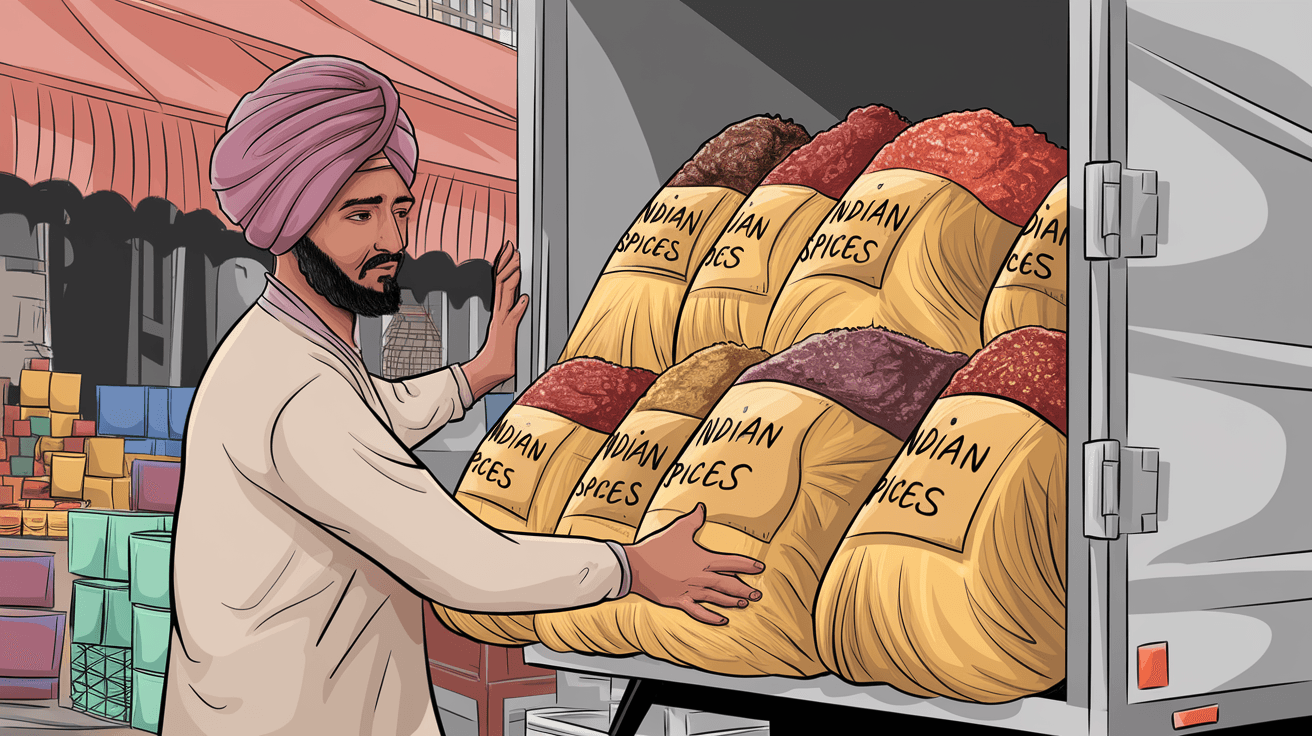
Exporting spices from India can be a rewarding business opportunity. India is known worldwide for its rich variety of spices, such as turmeric, cardamom, pepper, and cumin. If you want to start exporting spices, you need to understand the process clearly. This guide will help you learn how to export spices from India smoothly and legally.
You will find useful information about the necessary licenses, documentation, quality standards, and marketing tips. Whether you are a beginner or looking to expand your spice export business, this article will give you practical steps to succeed.
India is one of the largest producers and exporters of spices globally. The country supplies over 50 different types of spices to more than 150 countries. Some of the top spices exported include:
The demand for Indian spices remains strong because of their quality, flavor, and authenticity. Exporting spices requires knowledge of both domestic regulations and international market needs. You should research your target countries to understand their import rules and consumer preferences.
Before you start exporting spices, you must legally register your business in India. This step is essential to operate as a recognized exporter.
Choose the structure that suits your business size and goals.
Quality is crucial in spice export. Buyers expect clean, fresh, and well-packaged products. You should:
Exporting spices involves several documents to comply with Indian and international regulations. Here are the key documents you need:
Make sure all documents are accurate and complete to avoid delays.
International buyers require spices to meet specific quality standards. The Spices Board of India offers testing and certification services. You should:
Quality compliance builds trust and helps you get repeat orders.
Packaging plays a vital role in spice export. It protects the product and attracts buyers. Keep these points in mind:
Good packaging enhances shelf life and market appeal.
Spices can be shipped by sea or air, depending on urgency and cost considerations.
Work with experienced freight forwarders who understand spice export logistics. They can help with customs clearance and documentation.
To succeed in spice export, you need reliable buyers. Here are some ways to find them:
Marketing your spices effectively can open new markets and increase sales.
Export payments usually happen through methods like:
Choose secure payment methods to avoid risks. Also, be aware of currency exchange fluctuations and consider hedging options to protect your profits.
Export regulations and market trends change frequently. Stay informed by:
Being proactive helps you adapt quickly and remain competitive.
Exporting spices from India is a promising business if you follow the right steps. Start by registering your business and obtaining necessary licenses like IEC and FSSAI. Source high-quality spices and ensure they meet international quality standards. Proper documentation, packaging, and shipping are essential to avoid delays and damage.
Finding buyers and managing payments securely will help your business grow. Keep learning about export policies and market trends to stay ahead. With dedication and careful planning, you can build a successful spice export business that brings the flavors of India to the world.
The first step is to register your business and obtain an Import Export Code (IEC) from the Directorate General of Foreign Trade (DGFT). This code is mandatory for all exporters.
Yes, besides the IEC, you need to register with the Spices Board of India and obtain an FSSAI license to comply with food safety regulations.
Partner with reliable suppliers, conduct quality testing for contaminants, and follow standards set by the Spices Board and Codex Alimentarius.
Key documents include commercial invoice, packing list, bill of lading, certificate of origin, phytosanitary certificate, FSSAI certificate, and insurance certificate.
Sea freight is cost-effective for large shipments, while air freight is faster and suitable for urgent or small orders. Choose based on your budget and delivery needs.