

How to Eradicate Poverty in India
F
Discover verified facts, data, and insights about India’s states, culture, economy, education, and more — all in one place at FactBharat.
Search for a command to run...
Discover verified facts, data, and insights about India’s states, culture, economy, education, and more — all in one place at FactBharat.
No comments yet. Be the first to comment.
Moving to the USA from India is a dream for many. Whether you want to study, work, or live with family, the process can seem complex. But with the right information, you can plan your move confidently. I’ll guide you through the key steps and options...
Opening a college in India is a dream for many educators and entrepreneurs who want to contribute to the country’s education sector. If you are one of those who want to start a college, you need to understand the process clearly. It involves several ...
Opening a hospital in India is a significant and rewarding venture. If you’ve ever wondered how to start one, you’re in the right place. Whether you’re a healthcare professional, entrepreneur, or investor, understanding the process is crucial. You’ll...
Opening a medical store in India can be a rewarding business opportunity. You get to serve your community by providing essential medicines and healthcare products. If you are thinking about starting a medical store, you might wonder where to begin an...
Opening a restaurant in India can be an exciting and rewarding venture. Whether you dream of serving traditional Indian dishes or international cuisine, the process involves careful planning and understanding of local regulations. If you’re ready to ...
FactBharat | Insights About India
2558 posts
Discover verified facts, data, and insights about India’s states, culture, economy, education, and more — all in one place at FactBharat.
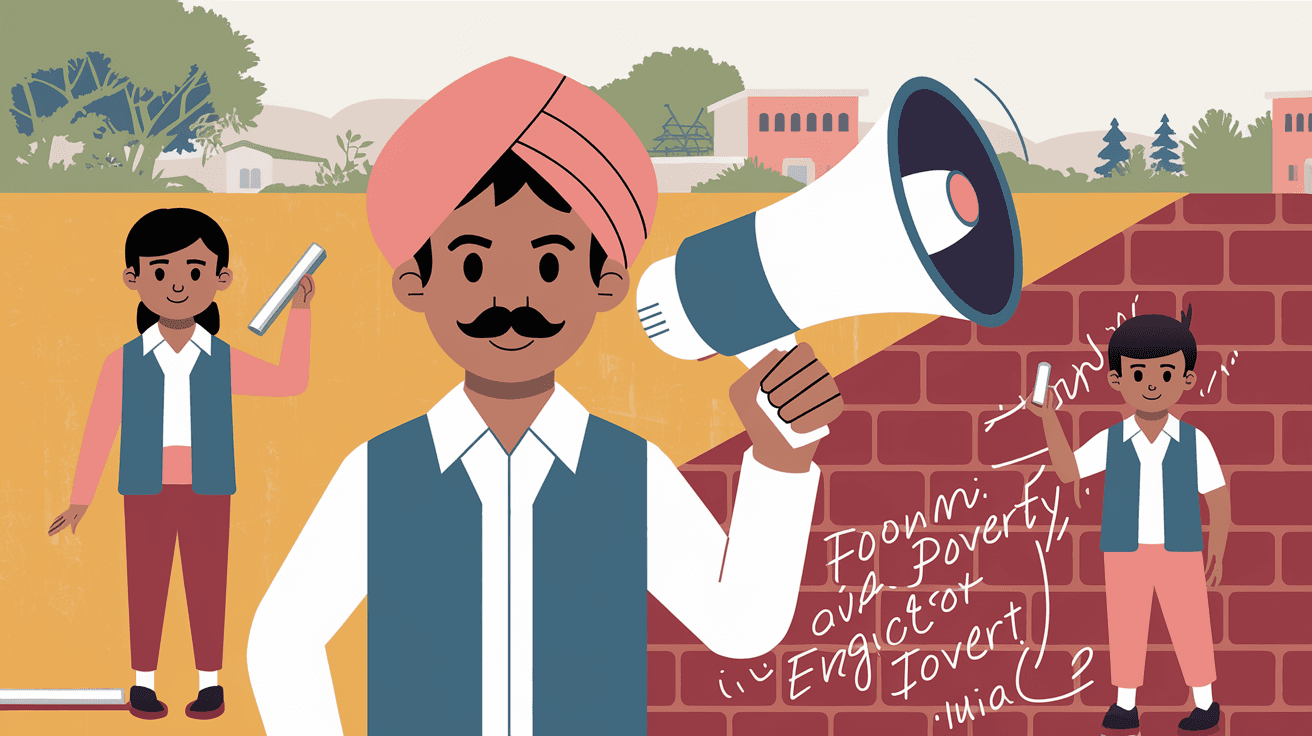
Poverty in India remains a significant challenge, affecting millions of lives every day. You might wonder how such a vast and growing economy still struggles with this issue. The truth is, eradicating poverty requires a mix of smart policies, community efforts, and sustainable development.
We all want to see a future where every Indian has access to basic needs like food, education, and healthcare. In this article, I will guide you through practical ways India can fight poverty effectively. Together, we can understand the root causes and explore solutions that work.
Poverty in India is complex and multi-dimensional. It’s not just about low income but also about lack of access to education, healthcare, and clean water. Millions live below the poverty line, struggling to meet daily needs.
Understanding these layers helps us target solutions better. Poverty is not just a lack of money; it’s a lack of opportunities and resources.
Education is one of the most powerful tools to fight poverty. When you have a good education, you can get better jobs and improve your life. India has made progress in increasing school enrollment, but quality and access remain challenges.
By focusing on education, India can break the cycle of poverty for future generations.
Jobs are essential for lifting people out of poverty. Without steady income, families struggle to survive. India’s growing economy offers chances, but many still face unemployment or underemployment.
More jobs mean more income, which directly reduces poverty levels.
Poor health keeps people trapped in poverty. Medical expenses can drain family savings, and illness reduces the ability to work. Improving healthcare access is crucial.
Healthy people are more productive and can contribute better to the economy.
India has many social welfare schemes aimed at helping the poor. However, gaps in implementation reduce their effectiveness.
Strong social safety nets protect vulnerable populations from falling deeper into poverty.
Many poor people lack access to banking and credit services. This limits their ability to save money or invest in businesses.
Financial inclusion helps people manage money better and build assets over time.
Good infrastructure supports economic growth and poverty reduction. Roads, electricity, and clean water improve living conditions and open up opportunities.
Infrastructure development creates jobs and improves quality of life.
Many poor Indians depend on farming, but low productivity keeps incomes low. Sustainable agriculture can increase yields and protect the environment.
Better agriculture means higher incomes for rural families and food security for all.
Women and marginalized communities often face extra barriers to escaping poverty. Empowering them benefits entire families and communities.
When everyone has a fair chance, poverty reduction becomes more effective.
Technology can accelerate poverty eradication by improving access to services and information.
Technology bridges gaps and creates new opportunities for the poor.
Eradicating poverty in India is a huge task, but it’s achievable with the right approach. By improving education, creating jobs, enhancing healthcare, and strengthening social programs, we can make a real difference. Infrastructure, agriculture, and technology also play vital roles.
You and I can support these efforts by staying informed and encouraging policies that focus on inclusive growth. Together, India can build a future where poverty is no longer a barrier to a better life.
The main causes include lack of education, unemployment, poor healthcare, and social inequalities. These factors limit access to opportunities and resources.
Education equips people with skills and knowledge to get better jobs and improve their income, breaking the cycle of poverty.
Good healthcare prevents illness-related income loss and reduces medical expenses, helping families stay financially stable.
Access to banking and credit allows people to save, invest, and manage money, which helps build assets and improve livelihoods.
Empowering women leads to better family health, education, and income, benefiting entire communities and reducing poverty faster.