

How to Drive a Car in India
F
Discover verified facts, data, and insights about India’s states, culture, economy, education, and more — all in one place at FactBharat.
Search for a command to run...
Discover verified facts, data, and insights about India’s states, culture, economy, education, and more — all in one place at FactBharat.
No comments yet. Be the first to comment.
Moving to the USA from India is a dream for many. Whether you want to study, work, or live with family, the process can seem complex. But with the right information, you can plan your move confidently. I’ll guide you through the key steps and options...
Opening a college in India is a dream for many educators and entrepreneurs who want to contribute to the country’s education sector. If you are one of those who want to start a college, you need to understand the process clearly. It involves several ...
Opening a hospital in India is a significant and rewarding venture. If you’ve ever wondered how to start one, you’re in the right place. Whether you’re a healthcare professional, entrepreneur, or investor, understanding the process is crucial. You’ll...
Opening a medical store in India can be a rewarding business opportunity. You get to serve your community by providing essential medicines and healthcare products. If you are thinking about starting a medical store, you might wonder where to begin an...
Opening a restaurant in India can be an exciting and rewarding venture. Whether you dream of serving traditional Indian dishes or international cuisine, the process involves careful planning and understanding of local regulations. If you’re ready to ...
FactBharat | Insights About India
2558 posts
Discover verified facts, data, and insights about India’s states, culture, economy, education, and more — all in one place at FactBharat.
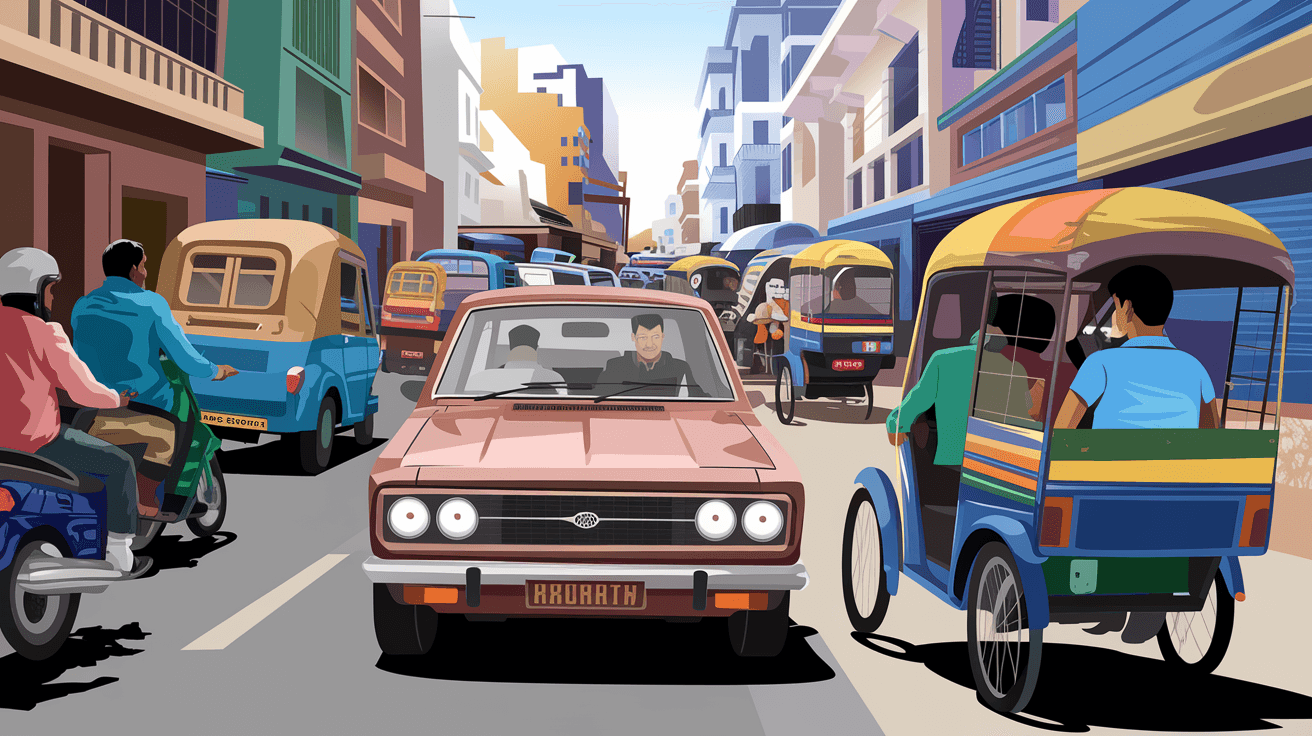
Driving a car in India can be both exciting and challenging. If you’re new to driving here, you might wonder about the rules, road conditions, and how to stay safe. Whether you’re a beginner or someone moving to India, understanding the basics will help you feel confident behind the wheel.
In this article, I’ll guide you through everything you need to know about driving a car in India. From getting your license to handling traffic and road etiquette, you’ll get practical tips to make your driving experience smooth and enjoyable.
Before you start driving, you need a valid driving license. Here’s how you can get one:
Make sure to carry your license whenever you drive. Driving without a license can lead to fines or legal trouble.
India follows the left-hand driving system, meaning you drive on the left side of the road. Here are some important traffic rules to remember:
Following these rules helps keep you and others safe on the road.
Before you start driving, familiarize yourself with your car’s controls:
If you’re driving an automatic car, you won’t need to use the clutch or manually change gears, making it easier for beginners.
Indian roads can be busy and unpredictable. Here’s how to stay safe:
These habits help reduce accidents and make your drive smoother.
India has a mix of road types, each requiring different driving approaches:
Adjust your speed and attention based on the road type to ensure safety.
Driving in India comes with unique challenges. Here’s how to manage them:
Being patient and cautious helps you handle these challenges better.
Always carry these documents when driving in India:
Keep these documents handy for police checks or emergencies.
Modern technology can make driving easier and safer:
Technology helps you stay informed and reduces stress while driving.
Driving responsibly also means caring for the environment. Here are some tips:
These small steps contribute to cleaner air and a healthier environment.
Driving a car in India can be a rewarding experience if you prepare well and follow the rules. From getting your license to understanding traffic laws and handling road challenges, you now have a clear roadmap to start your journey confidently.
Remember, safety and patience are your best friends on Indian roads. Keep learning, stay alert, and enjoy the freedom that driving brings. With practice, you’ll find driving in India becomes easier and more enjoyable every day.
You must be at least 18 years old to apply for a private vehicle driving license in India.
You can drive with a foreign license for a limited time, but it’s best to get an Indian driving license if you plan to stay longer.
Pay the fine promptly at the designated office or online to avoid penalties or legal issues.
Yes, wearing seat belts is mandatory for the driver and front-seat passengers.
Practice regularly, take professional driving lessons, and stay updated on traffic rules to improve your skills.