

How to Donate Organs After Death in India
F
Discover verified facts, data, and insights about India’s states, culture, economy, education, and more — all in one place at FactBharat.
Search for a command to run...
Discover verified facts, data, and insights about India’s states, culture, economy, education, and more — all in one place at FactBharat.
No comments yet. Be the first to comment.
Moving to the USA from India is a dream for many. Whether you want to study, work, or live with family, the process can seem complex. But with the right information, you can plan your move confidently. I’ll guide you through the key steps and options...
Opening a college in India is a dream for many educators and entrepreneurs who want to contribute to the country’s education sector. If you are one of those who want to start a college, you need to understand the process clearly. It involves several ...
Opening a hospital in India is a significant and rewarding venture. If you’ve ever wondered how to start one, you’re in the right place. Whether you’re a healthcare professional, entrepreneur, or investor, understanding the process is crucial. You’ll...
Opening a medical store in India can be a rewarding business opportunity. You get to serve your community by providing essential medicines and healthcare products. If you are thinking about starting a medical store, you might wonder where to begin an...
Opening a restaurant in India can be an exciting and rewarding venture. Whether you dream of serving traditional Indian dishes or international cuisine, the process involves careful planning and understanding of local regulations. If you’re ready to ...
FactBharat | Insights About India
2558 posts
Discover verified facts, data, and insights about India’s states, culture, economy, education, and more — all in one place at FactBharat.
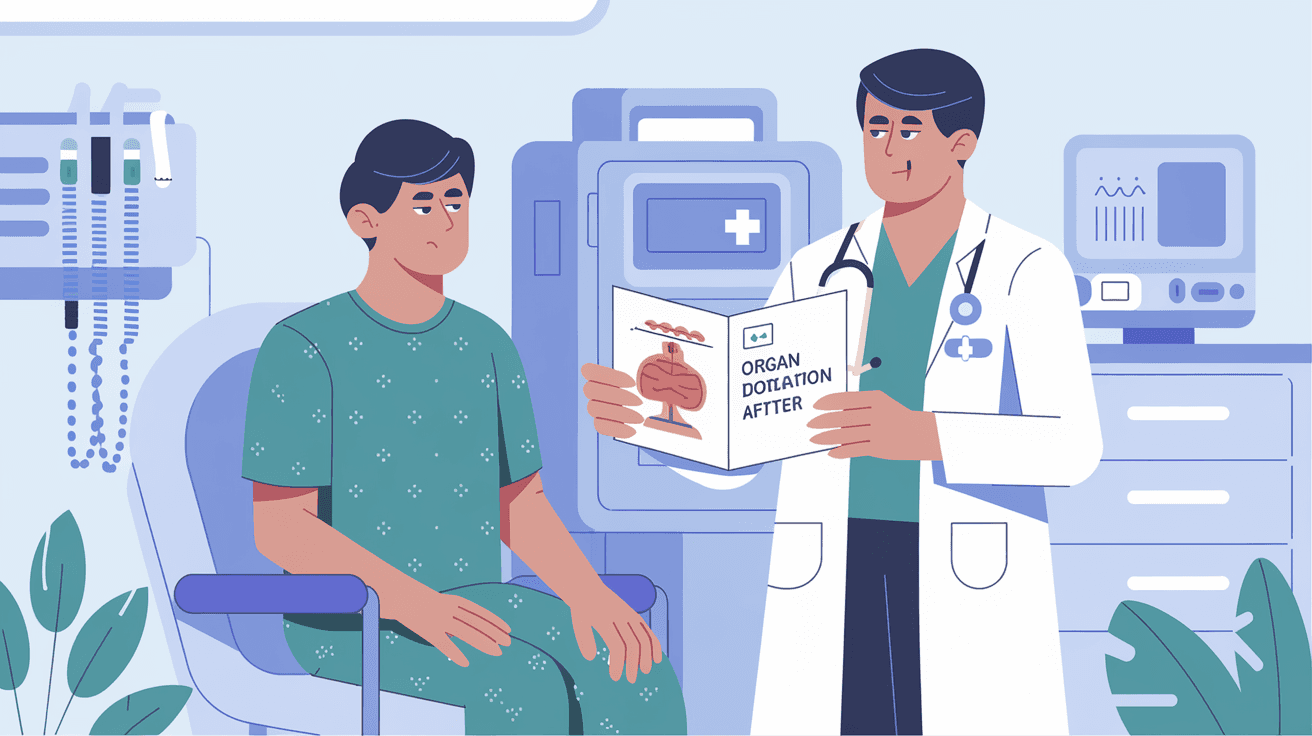
You might be wondering how to donate organs after death in India. Organ donation is a powerful way to save lives and give hope to many people waiting for transplants. If you want to make a difference, understanding the process is the first step.
In this article, I will guide you through the legal, medical, and practical steps involved in organ donation after death in India. You’ll learn how to register, what organs can be donated, and how your decision can impact others.
Organ donation after death means giving your organs to someone who needs them once you have passed away. This is called deceased organ donation. It helps patients with failing organs like kidneys, liver, heart, or lungs.
In India, organ donation is regulated by the Transplantation of Human Organs and Tissues Act. This law ensures that organ donation is safe, ethical, and transparent.
Here are the main organs and tissues you can donate after death:
Each organ has specific medical criteria for donation, but many people can donate multiple organs.
India faces a huge gap between the number of patients needing organ transplants and the organs available. Thousands of people die every year waiting for a transplant.
Organ donation can:
By choosing to donate, you become a hero for many families.
Registering as an organ donor is simple and free. You can do it online or offline.
When a registered donor passes away, the hospital and transplant team follow strict protocols.
Your family plays a key role in organ donation after your death. They need to know your wishes clearly.
Having this conversation reduces confusion and helps your family act quickly if needed.
Many people hesitate to donate organs because of myths or misunderstandings.
| Myth | Fact |
| Doctors won’t try to save me if I’m a donor | Doctors prioritize saving your life first, always. Organ donation happens only after death is confirmed. |
| Organ donation is against my religion | Most religions support organ donation as an act of charity and saving lives. |
| I’m too old or unhealthy to donate | Age and health affect donation, but many organs and tissues can still be donated. |
| Organ donation is expensive | Organ donation is free for donors and their families. Hospitals and government cover costs. |
| My body will be disfigured after donation | Skilled surgeons ensure respectful handling and minimal disfigurement. |
Knowing the facts can help you make an informed decision.
You can help increase organ donation rates by spreading awareness.
Every effort counts in saving lives.
If you haven’t registered, your family can still donate your organs with consent. However, this may delay the process and reduce chances of successful donation.
Registering is a simple step that makes a big difference.
Now you know how to donate organs after death in India and why it matters. Organ donation is a generous gift that can save many lives and bring hope to families in need.
By registering as a donor and informing your family, you take control of your legacy. You can be a part of a life-saving movement that transforms lives across the country. Your decision today can create a better tomorrow for someone else.
You can register online through the National Organ and Tissue Transplant Organization (NOTTO) website or visit a hospital or blood bank to get a donor card.
Commonly donated organs include kidneys, liver, heart, lungs, pancreas, intestines, and corneas. Some tissues like skin and bone marrow can also be donated.
Yes, organ donation is free for donors and their families. The government and hospitals cover all medical and surgical costs.
While your registration shows your consent, family members are usually consulted and their support is important for the donation process.
No, skilled surgeons perform organ retrieval respectfully, ensuring minimal disfigurement and proper care of the donor’s body.