

How to Dispose E-Waste in India
F
Discover verified facts, data, and insights about India’s states, culture, economy, education, and more — all in one place at FactBharat.
Search for a command to run...
Discover verified facts, data, and insights about India’s states, culture, economy, education, and more — all in one place at FactBharat.
No comments yet. Be the first to comment.
Moving to the USA from India is a dream for many. Whether you want to study, work, or live with family, the process can seem complex. But with the right information, you can plan your move confidently. I’ll guide you through the key steps and options...
Opening a college in India is a dream for many educators and entrepreneurs who want to contribute to the country’s education sector. If you are one of those who want to start a college, you need to understand the process clearly. It involves several ...
Opening a hospital in India is a significant and rewarding venture. If you’ve ever wondered how to start one, you’re in the right place. Whether you’re a healthcare professional, entrepreneur, or investor, understanding the process is crucial. You’ll...
Opening a medical store in India can be a rewarding business opportunity. You get to serve your community by providing essential medicines and healthcare products. If you are thinking about starting a medical store, you might wonder where to begin an...
Opening a restaurant in India can be an exciting and rewarding venture. Whether you dream of serving traditional Indian dishes or international cuisine, the process involves careful planning and understanding of local regulations. If you’re ready to ...
FactBharat | Insights About India
2558 posts
Discover verified facts, data, and insights about India’s states, culture, economy, education, and more — all in one place at FactBharat.
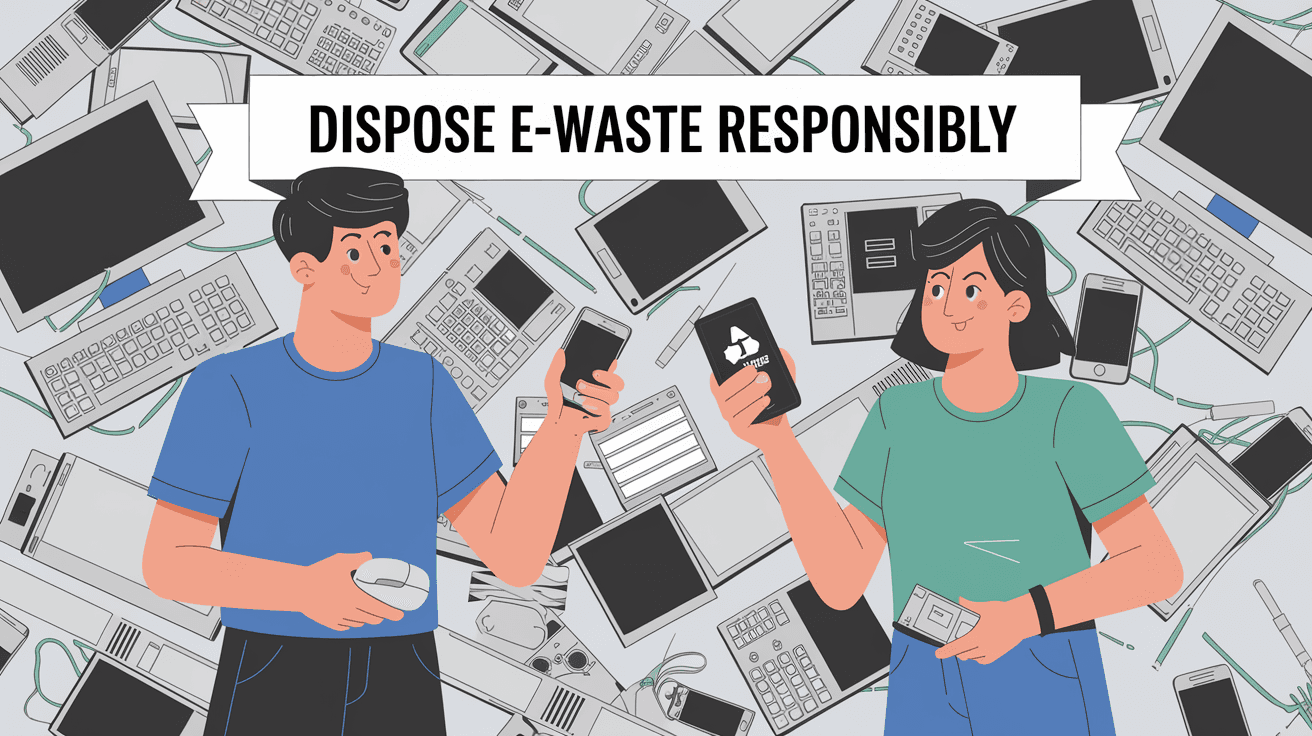
You might have old phones, laptops, or other electronic gadgets lying around. Disposing of these items properly is important for your safety and the environment. In India, e-waste is growing rapidly, and knowing how to handle it can make a big difference.
We will explore simple, effective ways to dispose of e-waste in India. From government rules to recycling options, you’ll get clear guidance to manage your electronic waste responsibly.
E-waste means discarded electronic devices like computers, phones, TVs, and batteries. These items contain harmful materials such as lead, mercury, and cadmium. If not handled properly, they can pollute soil, water, and air.
In India, e-waste is one of the fastest-growing waste streams. Improper disposal causes health risks and environmental damage. Recycling e-waste helps recover valuable metals and reduces pollution.
The Indian government has set rules to manage e-waste safely. The main law is the E-Waste (Management) Rules, updated in 2016 and further revised recently.
These rules aim to create a formal system for e-waste collection and recycling. Following them helps reduce illegal dumping and unsafe handling.
You might wonder what to do with your old gadgets. Here’s a simple process to dispose of e-waste responsibly.
Look for electronic items that you no longer use or that are broken. Common e-waste includes:
The government and private companies have set up authorized collection points. You can:
Many brands in India now offer take-back schemes. You can return old devices when buying new ones or send them directly to the company.
Do not throw e-waste in regular dustbins or hand it over to informal scrap dealers. These practices cause pollution and health hazards.
Authorized recyclers dismantle e-waste safely and recover valuable materials. They follow environmental guidelines to prevent pollution.
Several organizations and companies help you recycle e-waste easily.
You can make e-waste disposal easier and safer by following these tips:
Despite progress, India faces challenges in e-waste disposal:
Addressing these challenges requires cooperation between government, industry, and citizens.
Improper e-waste disposal harms both the environment and human health.
Proper disposal reduces these risks and promotes sustainable living.
India is moving towards better e-waste management with new technologies and policies.
These trends will make e-waste disposal easier and more effective for everyone.
Disposing of e-waste in India is a shared responsibility. By following legal guidelines and using authorized channels, you can protect your health and the environment. Whether you use collection centers, manufacturer take-back programs, or online services, safe disposal is within your reach.
Remember, every small step counts. Proper e-waste disposal helps conserve resources, reduce pollution, and build a cleaner India. Stay informed, act responsibly, and encourage others to do the same for a sustainable future.
E-waste includes discarded electronic devices like phones, computers, TVs, batteries, and small appliances. Any electronic item no longer in use or broken qualifies as e-waste.
You can dispose of e-waste at authorized collection centers, manufacturer take-back programs, or certified recyclers. Many cities also have municipal e-waste drives.
No, it is illegal and harmful to dispose of e-waste in regular trash. Indian laws require e-waste to be handled by authorized recyclers to prevent pollution.
You can check government websites, use online portals, or contact local municipal offices to find authorized e-waste recyclers and collection points.
Improper disposal exposes people to toxic metals like lead and mercury, causing neurological, respiratory, and other serious health problems, especially for workers in informal recycling sectors.