

How to Create a Company in India
F
Discover verified facts, data, and insights about India’s states, culture, economy, education, and more — all in one place at FactBharat.
Search for a command to run...
Discover verified facts, data, and insights about India’s states, culture, economy, education, and more — all in one place at FactBharat.
No comments yet. Be the first to comment.
Moving to the USA from India is a dream for many. Whether you want to study, work, or live with family, the process can seem complex. But with the right information, you can plan your move confidently. I’ll guide you through the key steps and options...
Opening a college in India is a dream for many educators and entrepreneurs who want to contribute to the country’s education sector. If you are one of those who want to start a college, you need to understand the process clearly. It involves several ...
Opening a hospital in India is a significant and rewarding venture. If you’ve ever wondered how to start one, you’re in the right place. Whether you’re a healthcare professional, entrepreneur, or investor, understanding the process is crucial. You’ll...
Opening a medical store in India can be a rewarding business opportunity. You get to serve your community by providing essential medicines and healthcare products. If you are thinking about starting a medical store, you might wonder where to begin an...
Opening a restaurant in India can be an exciting and rewarding venture. Whether you dream of serving traditional Indian dishes or international cuisine, the process involves careful planning and understanding of local regulations. If you’re ready to ...
FactBharat | Insights About India
2558 posts
Discover verified facts, data, and insights about India’s states, culture, economy, education, and more — all in one place at FactBharat.
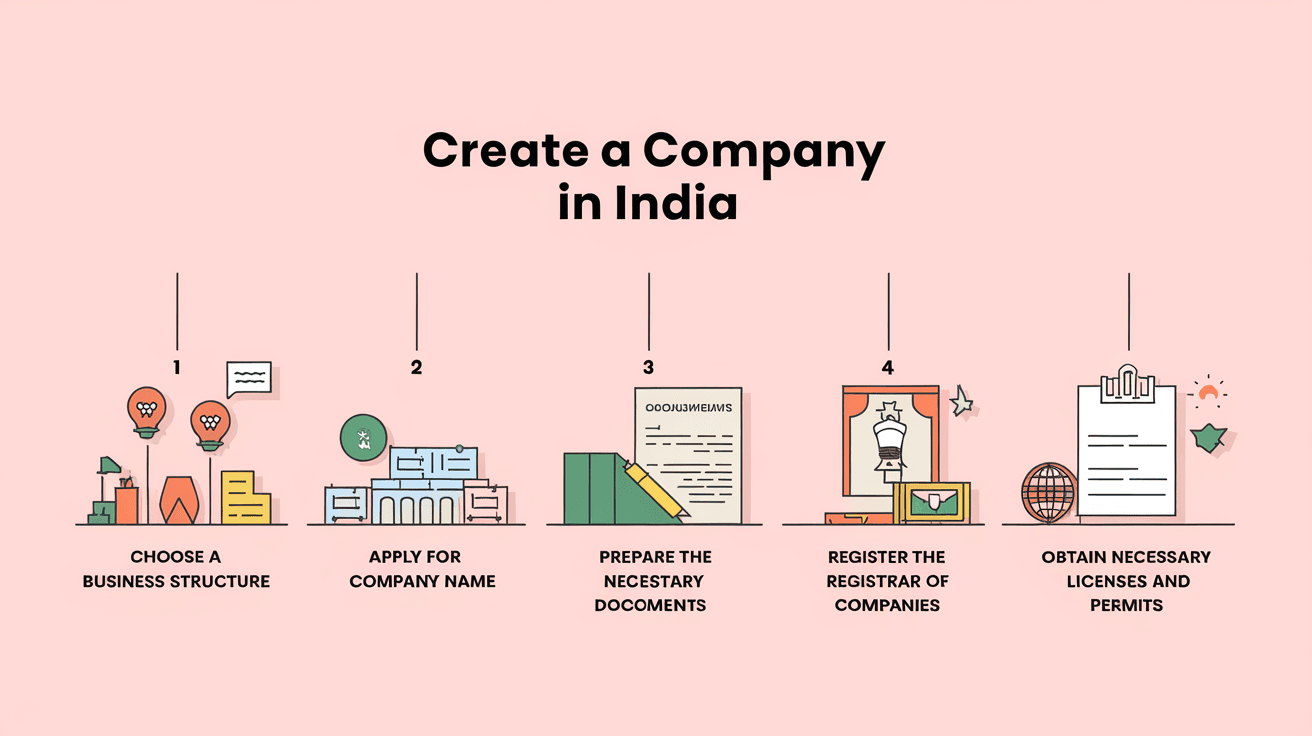
Starting your own company in India can be an exciting journey. Whether you want to launch a small startup or a large enterprise, understanding the process is key. You might wonder where to begin, what legal steps to follow, and how to make your business official. I’m here to guide you through the essential steps to create a company in India smoothly.
We will explore everything from choosing the right business structure to registering your company and meeting compliance requirements. By the end, you’ll have a clear roadmap to set up your business confidently and legally in India.
Before you start the registration process, it’s important to know the types of business structures available in India. Your choice affects taxation, liability, and compliance.
Choosing the right structure depends on your business goals, funding needs, and risk appetite. For example, startups often prefer Private Limited Companies due to easier funding options and limited liability.
The first step in company registration is obtaining a Digital Signature Certificate. This is mandatory for signing electronic documents submitted to the Ministry of Corporate Affairs (MCA).
You can get a DSC from government-approved agencies. It usually takes 1-2 days and requires identity proof like PAN card and address proof.
Every director of the company must have a Director Identification Number. This unique number identifies directors across all companies.
Having a DIN is mandatory before you can register your company.
Selecting a unique company name is crucial. It should reflect your brand and comply with naming rules.
You can check name availability on the MCA website and apply for name reservation using the RUN (Reserve Unique Name) service. The name is reserved for 20 days, extendable by 20 more days.
Once the name is approved, you need to prepare the incorporation documents and file them with the MCA.
You can file these documents online via the MCA portal. The process usually takes 7-10 days if all documents are in order.
After verification, the Registrar of Companies (ROC) issues the Certificate of Incorporation. This certificate confirms your company is legally registered.
Once you receive this certificate, your company officially exists and can start business operations.
After incorporation, you must apply for the Permanent Account Number (PAN) and Tax Deduction and Collection Account Number (TAN).
You can apply for both online through the NSDL website. These are essential for opening bank accounts and filing taxes.
A current bank account in the company’s name is necessary for business transactions.
Having a dedicated bank account helps maintain clear financial records and simplifies tax filing.
Depending on your business type, you may need additional licenses and registrations.
Check industry-specific requirements to ensure full compliance.
Starting a company can feel overwhelming, but these tips can help:
You might face some hurdles when creating a company in India. Here’s how to handle them:
Being proactive and organized reduces stress and speeds up registration.
Creating a company in India involves several clear steps, from choosing the right business structure to registering with the government. By following the process carefully, you can establish your business legally and start operating with confidence. Remember, preparation and understanding legal requirements are your best tools.
Whether you want to launch a startup or expand an existing business, knowing how to create a company in India sets you on the path to success. Take your time, seek expert help if needed, and soon you’ll see your business dreams come to life.
The fastest way is to register online through the MCA portal using the SPICe+ form, which integrates multiple services like name reservation, DIN allotment, and incorporation.
Yes, foreigners can start a company in India, but they must comply with Foreign Direct Investment (FDI) rules and appoint at least one Indian resident director.
The cost varies but typically ranges from ₹7,000 to ₹15,000, including government fees and professional charges.
No, GST registration is mandatory only if your annual turnover exceeds ₹20 lakhs (₹10 lakhs for special category states) or if you engage in interstate supply.
Key documents include identity and address proofs of directors and shareholders, proof of registered office, MOA, AOA, and digital signatures.