

How to Cover Open Terrace in India
F
Discover verified facts, data, and insights about India’s states, culture, economy, education, and more — all in one place at FactBharat.
Search for a command to run...
Discover verified facts, data, and insights about India’s states, culture, economy, education, and more — all in one place at FactBharat.
No comments yet. Be the first to comment.
Moving to the USA from India is a dream for many. Whether you want to study, work, or live with family, the process can seem complex. But with the right information, you can plan your move confidently. I’ll guide you through the key steps and options...
Opening a college in India is a dream for many educators and entrepreneurs who want to contribute to the country’s education sector. If you are one of those who want to start a college, you need to understand the process clearly. It involves several ...
Opening a hospital in India is a significant and rewarding venture. If you’ve ever wondered how to start one, you’re in the right place. Whether you’re a healthcare professional, entrepreneur, or investor, understanding the process is crucial. You’ll...
Opening a medical store in India can be a rewarding business opportunity. You get to serve your community by providing essential medicines and healthcare products. If you are thinking about starting a medical store, you might wonder where to begin an...
Opening a restaurant in India can be an exciting and rewarding venture. Whether you dream of serving traditional Indian dishes or international cuisine, the process involves careful planning and understanding of local regulations. If you’re ready to ...
FactBharat | Insights About India
2558 posts
Discover verified facts, data, and insights about India’s states, culture, economy, education, and more — all in one place at FactBharat.
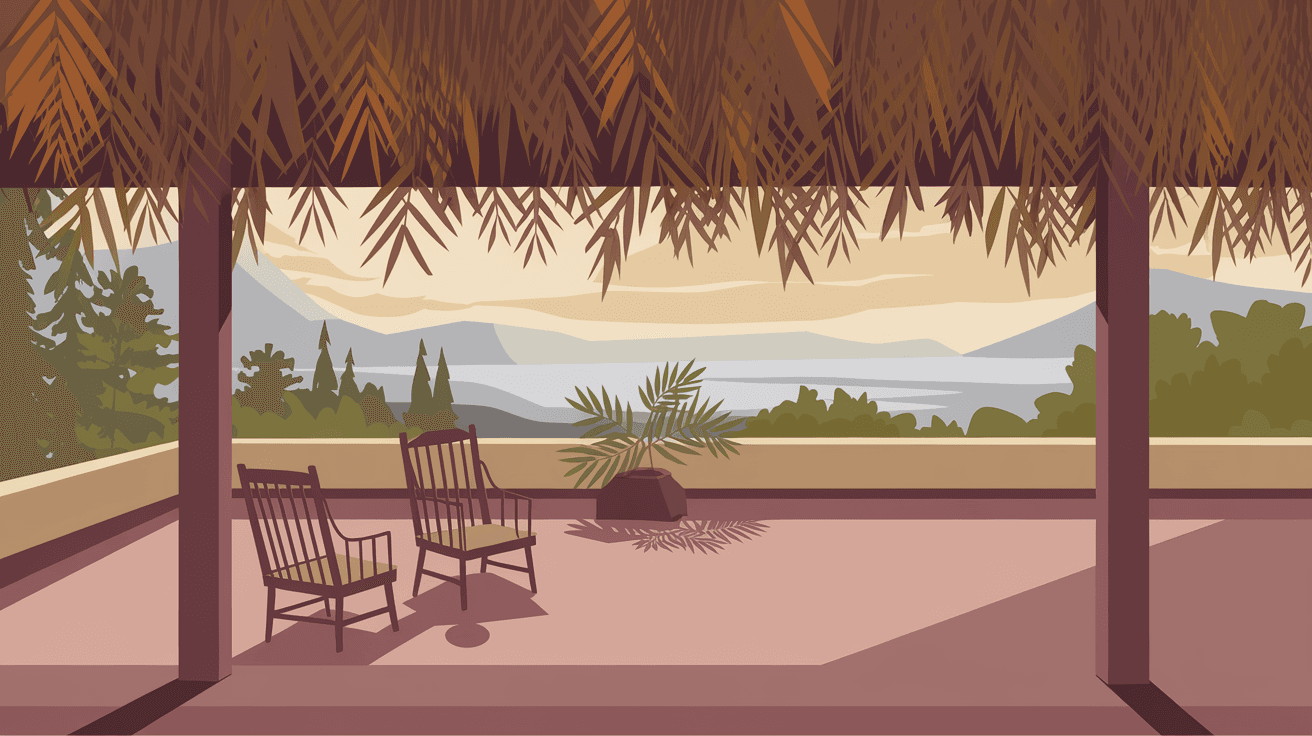
Covering an open terrace in India is a smart way to make your outdoor space more usable and comfortable. Whether you want to protect yourself from the harsh sun, heavy rains, or dust, having a proper cover can transform your terrace into a relaxing spot. You might be thinking about the best materials, designs, or budget-friendly options to suit your home and climate.
In this article, I’ll guide you through practical methods to cover your open terrace in India. We’ll explore different materials, styles, and installation tips that work well in Indian weather. By the end, you’ll have a clear idea of how to create a cozy, protected terrace space that fits your needs and budget.
India’s climate varies widely, but most regions experience intense sun, monsoon rains, and dust storms. An uncovered terrace can become unusable during these times. Covering your terrace helps in:
Covering your terrace is not just about shelter; it’s about making your outdoor space functional and enjoyable throughout the year.
Choosing the right material depends on your budget, style preference, and the climate of your region. Here are some popular options:
Polycarbonate sheets are lightweight, durable, and allow natural light to pass through. They are resistant to UV rays and can withstand heavy rains, making them ideal for Indian terraces.
Fabric covers like canvas provide flexible shade solutions. They come in various colors and patterns and can be retractable or fixed.
Wooden pergolas add a natural look and can be combined with climbing plants or fabric covers for shade.
Corrugated metal sheets or aluminum panels offer strong protection against rain and sun.
Glass roofs provide a modern look and allow light while protecting from rain.
Your terrace cover should complement your home’s style and meet your functional needs. Here are some design ideas:
Retractable roofs allow you to open or close the cover depending on the weather. They are perfect for terraces where you want flexibility.
A pergola covered with vines or creepers creates a natural canopy. It cools the space and adds greenery.
Shade sails are triangular or rectangular fabric pieces stretched over poles or walls.
Installing a false ceiling with waterproof panels under the terrace roof can protect from heat and rain.
If you want to cover your terrace yourself or supervise the work, here’s a simple process to follow:
To keep your terrace cover in good shape, regular maintenance is essential:
Proper maintenance extends the life of your terrace cover and keeps it looking fresh.
The cost varies widely based on material, size, and design complexity. Here’s a rough estimate for common options:
| Material | Approximate Cost per sq.ft (INR) | Durability | Installation Complexity |
| Polycarbonate Sheets | 150 - 300 | 10-15 years | Moderate |
| Fabric Awnings | 50 - 150 | 3-5 years | Easy |
| Wooden Pergolas | 200 - 400 | 8-12 years | High |
| Metal Sheets | 100 - 200 | 15-20 years | Moderate |
| Glass Roofing | 400 - 700 | 15+ years | High |
You can save costs by choosing DIY-friendly options like fabric awnings or shade sails. For long-term investment, polycarbonate or metal roofing is better.
If you want to be environmentally conscious, consider these options:
These choices help reduce your carbon footprint and can lower energy bills.
Covering an open terrace in India comes with some challenges:
Planning ahead and choosing the right materials can help you avoid these problems.
Covering your open terrace in India is a great way to enhance your outdoor living space. Whether you want a simple fabric shade or a stylish glass roof, there are many options to suit your needs and budget. By choosing the right materials and design, you can protect your terrace from sun, rain, and dust, making it a comfortable spot all year round.
Remember to consider your local climate, maintenance needs, and aesthetic preferences when deciding how to cover your terrace. With proper planning and care, your terrace can become a beautiful, functional extension of your home.
Polycarbonate sheets are popular due to their durability, UV resistance, and light transmission. Metal sheets and fabric awnings are also common depending on budget and style.
Costs vary widely, from around ₹50 per sq.ft for fabric awnings to ₹700 per sq.ft for glass roofing. Installation and material quality affect the final price.
Simple options like shade sails or fabric awnings can be DIY projects. Complex structures like pergolas or glass roofs usually require professional help.
Treat the wood annually with anti-termite and waterproof coatings. Clean regularly and inspect for damage to keep it durable.
Yes, green roofs help reduce heat and improve air quality. They require waterproofing and proper drainage to prevent leaks and damage.