

How to Convert to Christianity in India
F
Discover verified facts, data, and insights about India’s states, culture, economy, education, and more — all in one place at FactBharat.
Search for a command to run...
Discover verified facts, data, and insights about India’s states, culture, economy, education, and more — all in one place at FactBharat.
No comments yet. Be the first to comment.
Moving to the USA from India is a dream for many. Whether you want to study, work, or live with family, the process can seem complex. But with the right information, you can plan your move confidently. I’ll guide you through the key steps and options...
Opening a college in India is a dream for many educators and entrepreneurs who want to contribute to the country’s education sector. If you are one of those who want to start a college, you need to understand the process clearly. It involves several ...
Opening a hospital in India is a significant and rewarding venture. If you’ve ever wondered how to start one, you’re in the right place. Whether you’re a healthcare professional, entrepreneur, or investor, understanding the process is crucial. You’ll...
Opening a medical store in India can be a rewarding business opportunity. You get to serve your community by providing essential medicines and healthcare products. If you are thinking about starting a medical store, you might wonder where to begin an...
Opening a restaurant in India can be an exciting and rewarding venture. Whether you dream of serving traditional Indian dishes or international cuisine, the process involves careful planning and understanding of local regulations. If you’re ready to ...
FactBharat | Insights About India
2558 posts
Discover verified facts, data, and insights about India’s states, culture, economy, education, and more — all in one place at FactBharat.
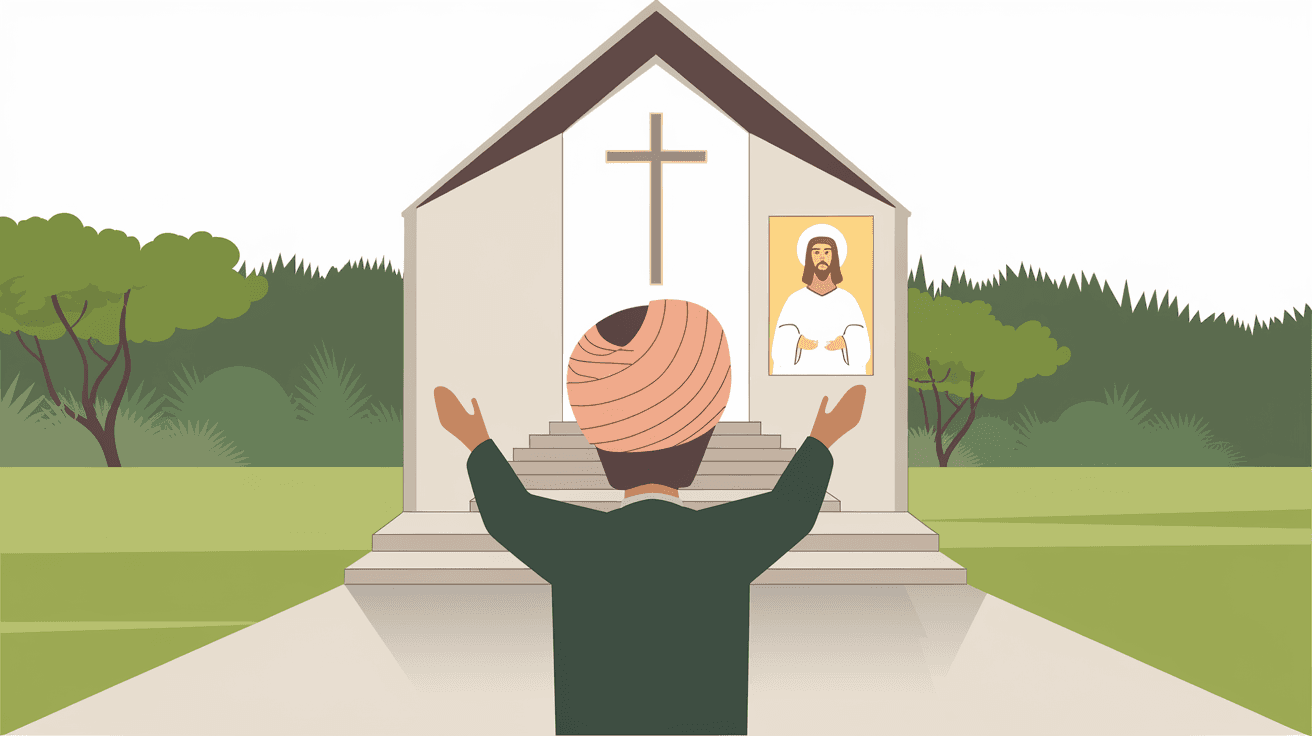
Converting to Christianity in India is a significant spiritual and personal journey. If you are considering this path, you might wonder how to begin, what the process involves, and what cultural or legal factors you should know. This article will guide you through the steps and provide insights to help you make an informed decision.
Whether you are exploring Christianity for the first time or have already felt a calling, understanding the process in the Indian context is essential. We will cover the basics of conversion, the role of churches, legal aspects, and how to embrace your new faith with confidence.
Christianity has a long history in India, dating back to the arrival of St. Thomas the Apostle in the 1st century AD. Today, Christians make up around 2.3% of the Indian population, with diverse denominations such as Roman Catholic, Protestant, and Orthodox churches.
Christianity in India is not just a religion but also a cultural identity for many communities. It blends local traditions with Christian beliefs, creating a unique spiritual experience. When you decide to convert, you join a community with rich heritage and varied practices.
Converting to Christianity in India involves both spiritual and social steps. Here’s a clear path you can follow:
Before converting, it’s important to understand Christian beliefs, values, and practices. You can:
This learning phase helps you decide if Christianity aligns with your faith and life goals.
Find a local church that welcomes new believers. Most churches have programs for people interested in conversion, such as:
Joining a church community is essential for spiritual growth and support.
Baptism is the formal rite of initiation into Christianity. Before baptism, you may need to:
Baptism symbolizes cleansing from past sins and a new life in Christ.
The baptism ceremony is usually conducted by a priest or pastor. It involves:
After baptism, you are officially recognized as a Christian.
After converting, staying connected with your church is important. You can:
This ongoing support helps you grow in faith and community.
Converting to Christianity in India can involve legal and social challenges. It’s important to be aware of these factors:
Before converting, check the laws in your state and ensure your decision is voluntary and well-informed.
Being prepared for social reactions can make your transition smoother.
Converting to Christianity is more than a ceremony; it’s a lifelong commitment. Here are ways to embrace your new faith fully:
Building a strong spiritual foundation will enrich your life and help you grow as a Christian.
The time varies depending on the church and individual readiness. It can take a few weeks to several months, including learning, preparation, and baptism.
Yes, anyone can convert voluntarily. However, minors usually need parental consent, and the process respects individual freedom.
Most Christian denominations require baptism as the official initiation into the faith. It is a key sacrament symbolizing rebirth.
Changing your name is optional. Some choose a Christian name, but many keep their original names.
Some states have laws regulating religious conversions to prevent coercion. It’s important to follow legal procedures and convert willingly.
Converting to Christianity in India is a meaningful and personal journey. By learning about the faith, connecting with a church, and understanding the legal and social context, you can make this transition with confidence. Remember, conversion is not just a one-time event but a lifelong commitment to living a Christian life.
Your new faith community will support you as you grow spiritually and embrace Christian values. With patience and openness, you can navigate challenges and find joy in your new path.
Start by learning about Christianity through reading the Bible, attending church services, and speaking with pastors or Christian friends.
In some Indian states, you must notify authorities or get permission due to anti-conversion laws. Check local regulations before converting.
You can convert voluntarily, but family opposition is common. Seek support from your church and counselors to handle social challenges.
Baptism practices vary slightly, but it generally involves water and a declaration of faith. Some churches immerse, others sprinkle water.
No, conversion does not affect your legal rights. The Indian constitution protects freedom of religion, allowing you to practice Christianity freely.