

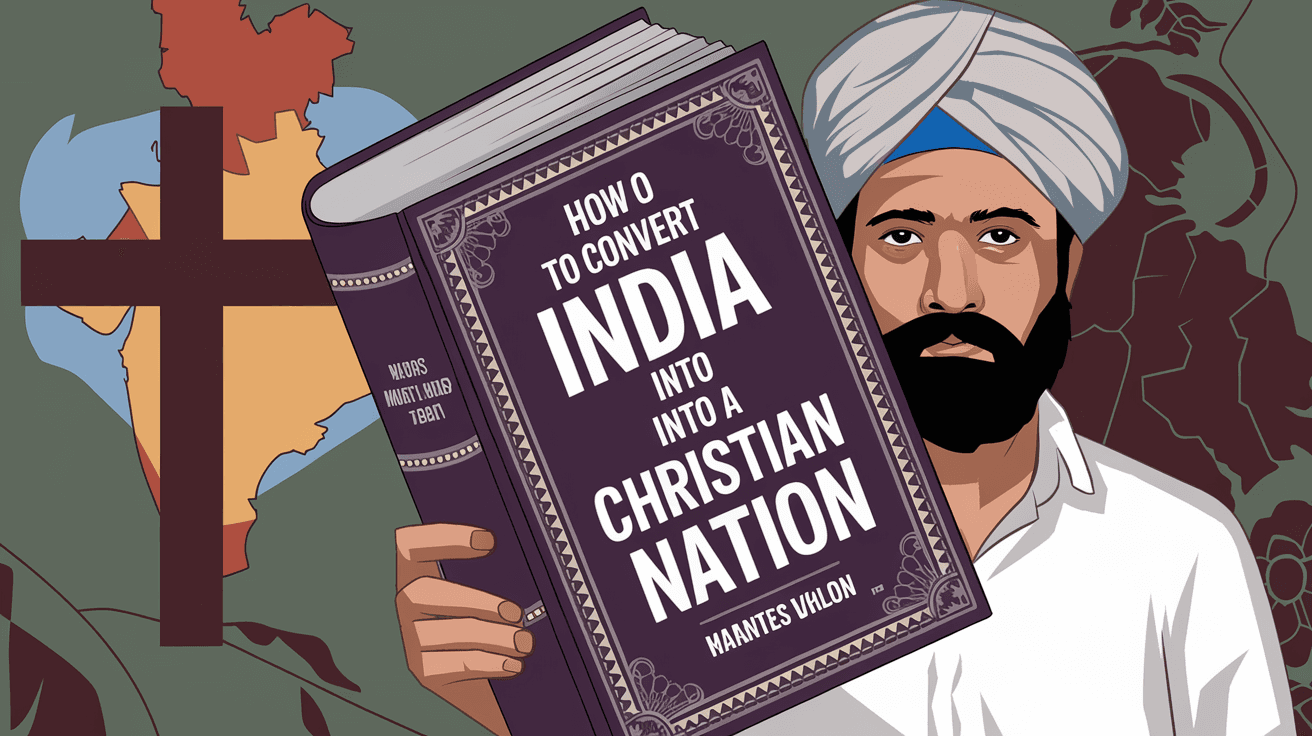
How to Convert India into a Christian Nation Book
F
Discover verified facts, data, and insights about India’s states, culture, economy, education, and more — all in one place at FactBharat.
Search for a command to run...
Discover verified facts, data, and insights about India’s states, culture, economy, education, and more — all in one place at FactBharat.
No comments yet. Be the first to comment.
Moving to the USA from India is a dream for many. Whether you want to study, work, or live with family, the process can seem complex. But with the right information, you can plan your move confidently. I’ll guide you through the key steps and options...
Opening a college in India is a dream for many educators and entrepreneurs who want to contribute to the country’s education sector. If you are one of those who want to start a college, you need to understand the process clearly. It involves several ...
Opening a hospital in India is a significant and rewarding venture. If you’ve ever wondered how to start one, you’re in the right place. Whether you’re a healthcare professional, entrepreneur, or investor, understanding the process is crucial. You’ll...
Opening a medical store in India can be a rewarding business opportunity. You get to serve your community by providing essential medicines and healthcare products. If you are thinking about starting a medical store, you might wonder where to begin an...
Opening a restaurant in India can be an exciting and rewarding venture. Whether you dream of serving traditional Indian dishes or international cuisine, the process involves careful planning and understanding of local regulations. If you’re ready to ...
FactBharat | Insights About India
2558 posts
Discover verified facts, data, and insights about India’s states, culture, economy, education, and more — all in one place at FactBharat.
You might have come across the book titled How to Convert India into a Christian Nation and wondered what it is about. This book dives deep into the complex and sensitive topic of religious conversion in India, a country known for its rich diversity and multiple faiths. If you are curious about the ideas, history, and debates surrounding this subject, this article will guide you through the key points.
We will explore what the book discusses, the historical context of Christianity in India, and the broader social and political implications. Whether you are a student, researcher, or just someone interested in religious studies, this article will help you understand the topic clearly and respectfully.
The book How to Convert India into a Christian Nation is not just about religious conversion. It aims to analyze the challenges and strategies related to spreading Christianity in India. The author discusses historical attempts, cultural barriers, and the role of missionaries.
The book emphasizes dialogue and understanding rather than forceful conversion. It encourages readers to consider the ethical aspects of religious change in a diverse society.
Christianity has a long history in India, dating back nearly 2,000 years. According to tradition, St. Thomas the Apostle arrived in India around 52 AD and established Christian communities, especially in Kerala.
Understanding this history helps explain why conversion is a sensitive topic. Christianity is part of India’s religious fabric but also faces challenges due to cultural and religious diversity.
The book highlights several obstacles that make the idea of converting India into a Christian nation difficult:
These challenges mean that any attempt to spread Christianity must be sensitive and respectful of India’s pluralistic society.
The author suggests several strategies for those interested in sharing Christianity in India:
These strategies focus on peaceful coexistence and mutual respect rather than confrontation.
Since its publication, How to Convert India into a Christian Nation has sparked discussions among scholars, religious leaders, and policymakers.
The book contributes to a broader conversation about religion, identity, and coexistence in India.
One important theme in the book is the ethics of conversion. It stresses that:
This ethical framework is essential for anyone interested in religious conversion in India or anywhere else.
Missionaries continue to play a role in India, but their methods have evolved. The book discusses how modern missionaries:
This approach helps build positive relationships and reduces conflict.
If you want to understand the complex topic of converting India into a Christian nation, this book offers valuable insights. It covers history, challenges, strategies, and ethics in a balanced way. You will see that conversion is not just about religion but also about culture, law, and respect for diversity.
By reading this book, you can gain a deeper appreciation of India’s religious landscape and the sensitive nature of religious change. Whether you agree or disagree with the ideas, it encourages thoughtful discussion and peaceful coexistence.
The book focuses on the history, challenges, and strategies related to spreading Christianity in India, emphasizing respectful dialogue and ethical considerations.
No, the book clearly opposes forced or fraudulent conversions and stresses the importance of voluntary and informed religious choice.
It describes missionaries as focusing on education, social work, and respectful dialogue rather than aggressive proselytizing.
Yes, many Indian states have laws to prevent forced or fraudulent conversions, which the book discusses in detail.
Because India is religiously diverse, and religion is closely tied to cultural identity, making conversion a complex and sometimes controversial issue.