

How to Control Population in India
F
Discover verified facts, data, and insights about India’s states, culture, economy, education, and more — all in one place at FactBharat.
Search for a command to run...
Discover verified facts, data, and insights about India’s states, culture, economy, education, and more — all in one place at FactBharat.
No comments yet. Be the first to comment.
Moving to the USA from India is a dream for many. Whether you want to study, work, or live with family, the process can seem complex. But with the right information, you can plan your move confidently. I’ll guide you through the key steps and options...
Opening a college in India is a dream for many educators and entrepreneurs who want to contribute to the country’s education sector. If you are one of those who want to start a college, you need to understand the process clearly. It involves several ...
Opening a hospital in India is a significant and rewarding venture. If you’ve ever wondered how to start one, you’re in the right place. Whether you’re a healthcare professional, entrepreneur, or investor, understanding the process is crucial. You’ll...
Opening a medical store in India can be a rewarding business opportunity. You get to serve your community by providing essential medicines and healthcare products. If you are thinking about starting a medical store, you might wonder where to begin an...
Opening a restaurant in India can be an exciting and rewarding venture. Whether you dream of serving traditional Indian dishes or international cuisine, the process involves careful planning and understanding of local regulations. If you’re ready to ...
FactBharat | Insights About India
2558 posts
Discover verified facts, data, and insights about India’s states, culture, economy, education, and more — all in one place at FactBharat.
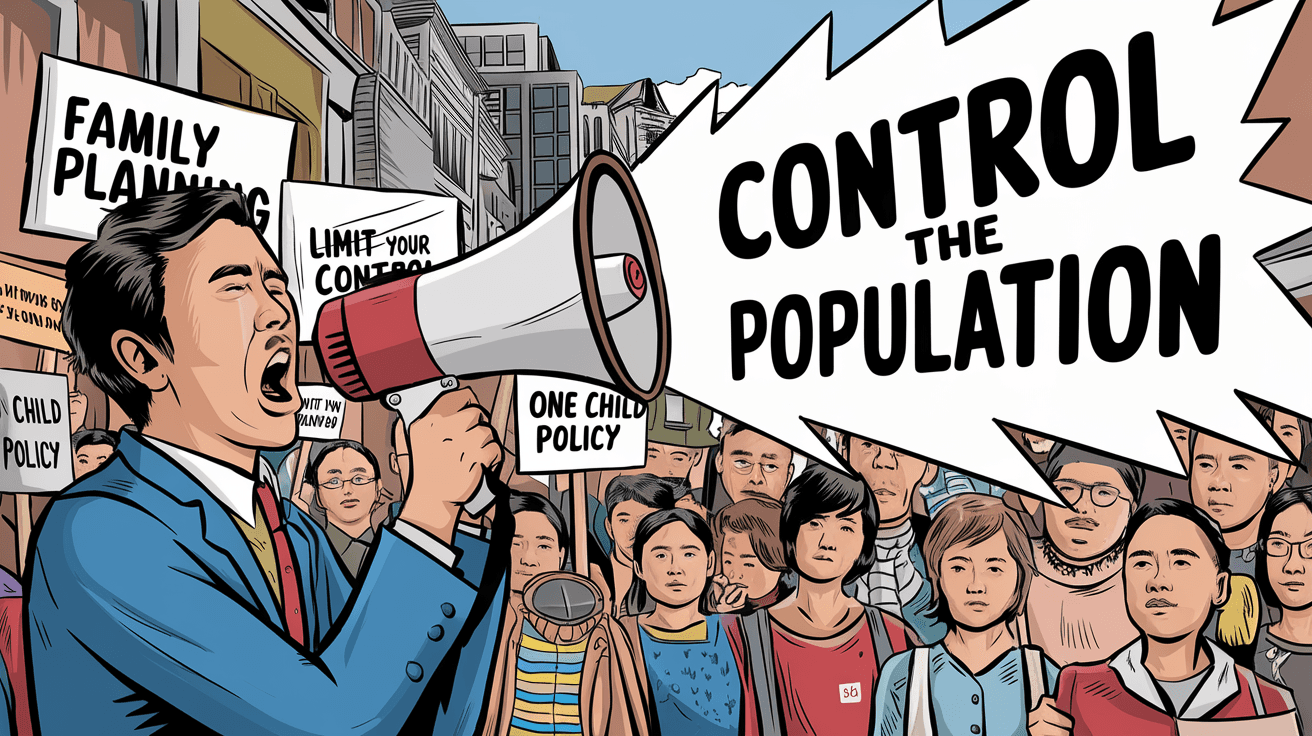
Controlling population growth in India is a topic that affects every one of us. With over 1.4 billion people, India faces unique challenges in managing resources, healthcare, and education. You might wonder how we can balance growth while ensuring a better quality of life for everyone.
In this article, I’ll walk you through practical ways India can control its population. We’ll look at government policies, education, healthcare improvements, and social awareness. By understanding these strategies, you’ll see how each of us plays a role in shaping a sustainable future.
India is the second most populous country in the world, and its population continues to grow rapidly. This growth puts pressure on resources like water, food, housing, and jobs. The government and society face the challenge of managing this growth without compromising development.
Population control is not just about numbers; it’s about improving living standards and ensuring everyone has access to basic needs.
The Indian government has launched several initiatives to control population growth. These programs focus on family planning, reproductive health, and awareness campaigns.
Despite these efforts, challenges remain due to cultural beliefs, lack of awareness, and limited access to healthcare in remote areas.
Education plays a crucial role in controlling population growth. When people, especially women, are educated, they tend to have fewer children and make informed decisions about family size.
Improving education, especially for girls, is one of the most effective ways to slow population growth in India.
Access to quality healthcare and contraceptives is essential for population control. Many people in India still lack access to reliable family planning methods.
Better healthcare also reduces infant mortality rates, which can lower the perceived need for larger families.
Social attitudes and cultural beliefs often influence family size decisions. Raising awareness and changing mindsets are key to population control.
Community involvement and respectful dialogue are necessary to shift cultural norms positively.
Economic growth and population control go hand in hand. When families have better economic opportunities, they tend to have fewer children.
Sustainable economic development supports population control by improving living standards.
Technology is playing an increasing role in population control efforts in India.
Innovative solutions make family planning more accessible and effective.
Despite progress, India faces several challenges in controlling population growth.
Addressing these challenges requires coordinated efforts from government, communities, and individuals.
You might wonder how you can contribute to population control. Here are some practical steps:
Every small action adds up to a big impact on population management.
Controlling population growth in India is a complex but achievable goal. It requires a mix of government policies, education, healthcare improvements, and social change. By working together, we can create a future where resources are sufficient, and everyone enjoys a good quality of life.
You have a vital role in this effort. Whether through spreading awareness, supporting education, or making informed family choices, your actions matter. Together, we can help India move toward a balanced and sustainable population.
Education, especially for women, leads to better family planning decisions, lower birth rates, and improved health outcomes. Educated individuals are more aware of contraceptive options and tend to have smaller families.
Key programs include the National Family Planning Program and Mission Parivar Vikas, which promote contraceptive use, reproductive health education, and provide incentives for small families.
Access to contraceptives allows people to plan their families, reduce unintended pregnancies, and improve maternal and child health, which helps slow population growth.
Cultural preferences for larger families and male children can lead to higher birth rates and resistance to family planning methods, making population control more challenging.
Yes, economic development improves living standards, reduces poverty, and empowers women, all of which contribute to smaller family sizes and slower population growth.