

How to Control Corruption in India
F
Discover verified facts, data, and insights about India’s states, culture, economy, education, and more — all in one place at FactBharat.
Search for a command to run...
Discover verified facts, data, and insights about India’s states, culture, economy, education, and more — all in one place at FactBharat.
No comments yet. Be the first to comment.
Moving to the USA from India is a dream for many. Whether you want to study, work, or live with family, the process can seem complex. But with the right information, you can plan your move confidently. I’ll guide you through the key steps and options...
Opening a college in India is a dream for many educators and entrepreneurs who want to contribute to the country’s education sector. If you are one of those who want to start a college, you need to understand the process clearly. It involves several ...
Opening a hospital in India is a significant and rewarding venture. If you’ve ever wondered how to start one, you’re in the right place. Whether you’re a healthcare professional, entrepreneur, or investor, understanding the process is crucial. You’ll...
Opening a medical store in India can be a rewarding business opportunity. You get to serve your community by providing essential medicines and healthcare products. If you are thinking about starting a medical store, you might wonder where to begin an...
Opening a restaurant in India can be an exciting and rewarding venture. Whether you dream of serving traditional Indian dishes or international cuisine, the process involves careful planning and understanding of local regulations. If you’re ready to ...
FactBharat | Insights About India
2558 posts
Discover verified facts, data, and insights about India’s states, culture, economy, education, and more — all in one place at FactBharat.
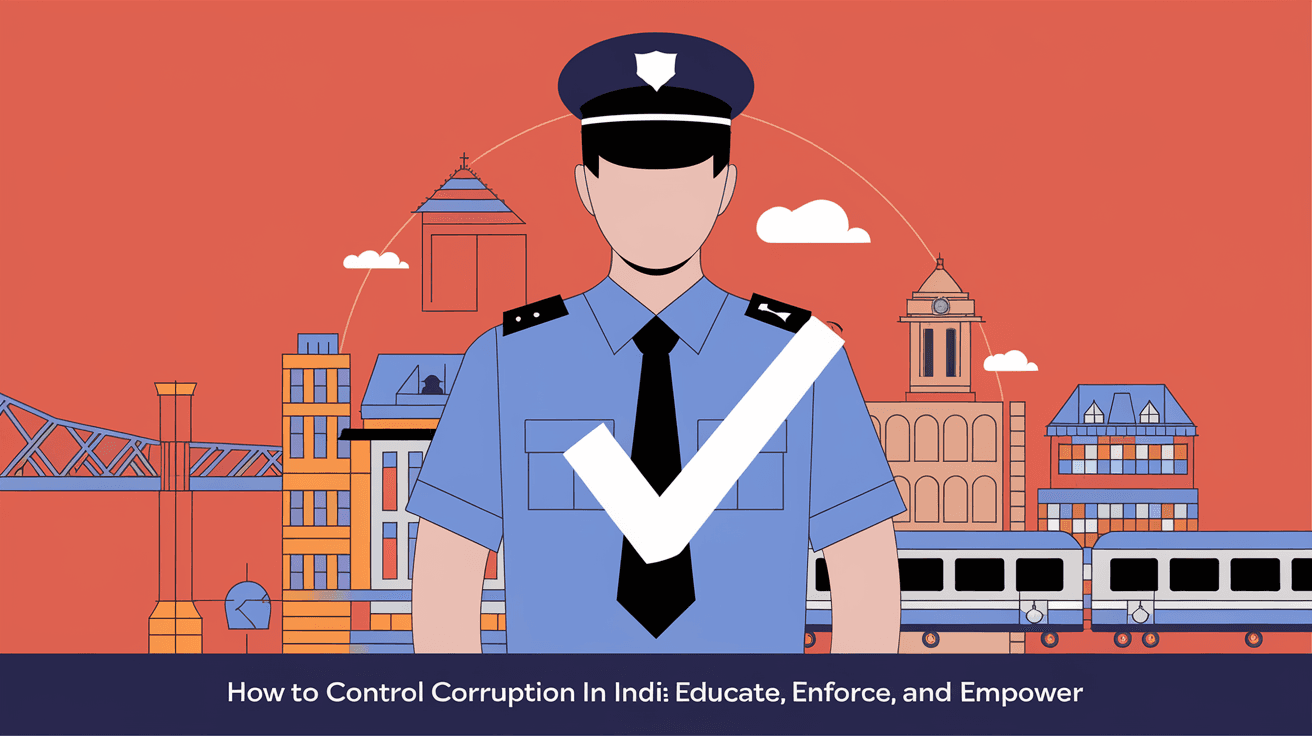
Corruption has long been a challenge in India, affecting many aspects of daily life and governance. If you’re wondering how to control corruption in India, you’re not alone. Many citizens, policymakers, and organizations are working hard to find solutions that can make a real difference.
In this article, I’ll walk you through practical ways to tackle corruption, from government reforms to citizen participation. Together, we can understand what works and how you can play a part in creating a cleaner, more transparent India.
Corruption in India takes many forms, including bribery, nepotism, embezzlement, and favoritism. It affects sectors like politics, public services, law enforcement, and business. This widespread issue slows down development and erodes trust in institutions.
Some common causes of corruption include:
Recognizing these causes helps us focus on effective solutions.
One of the most important ways to control corruption is by improving laws and their enforcement. India has several laws like the Prevention of Corruption Act and the Lokpal and Lokayuktas Act, but implementation remains a challenge.
To strengthen legal frameworks:
By making laws stronger and enforcement more efficient, corrupt practices can be deterred.
Transparency is a powerful tool against corruption. When government actions are open to public scrutiny, it becomes harder for corrupt activities to go unnoticed.
India has made progress with e-governance initiatives that digitize services and reduce human interaction, which often leads to bribery. Some effective measures include:
These steps reduce red tape and make it easier for you to hold officials accountable.
You play a crucial role in controlling corruption. When citizens are informed and active, they can demand better governance and transparency.
Ways to encourage citizen participation include:
When you and others stand against corruption, it creates pressure on officials to act honestly.
Complex and slow bureaucratic procedures often create opportunities for corruption. Simplifying these processes and improving public services can reduce corruption significantly.
Key reforms include:
These changes make it easier for you to access services without facing demands for bribes.
Political corruption is a major concern in India. To control it, political parties and leaders must be held accountable.
Important steps are:
When political leaders act responsibly, it sets a positive example for the entire system.
Technology offers new ways to fight corruption effectively. India is adopting innovative tools to increase transparency and reduce human discretion.
Examples include:
By embracing technology, India can make corruption harder and governance smarter.
Long-term control of corruption requires a cultural shift. Promoting integrity and ethics at all levels of society is essential.
Ways to build this culture:
When honesty becomes a shared value, corruption loses its grip.
Controlling corruption in India is a complex but achievable goal. It requires a combination of strong laws, transparent governance, citizen involvement, and cultural change. You can contribute by staying informed, reporting corruption, and supporting reforms.
Together, these efforts can create a fairer and more efficient India. By understanding the problem and taking action, we can build a future where corruption no longer holds us back.
The main causes include lack of transparency, weak law enforcement, complex bureaucracy, and low public awareness. These factors create opportunities for corrupt practices.
E-governance reduces human interaction in services, making bribery harder. It also increases transparency by providing online access to government processes and information.
Citizens can report corrupt acts, demand transparency, support anti-corruption laws, and participate in governance. Their active involvement pressures officials to act honestly.
Yes, the Whistle Blowers Protection Act safeguards individuals who report corruption, encouraging more people to expose wrongdoing without fear of retaliation.
Technology enables online services, digital records, and data analysis, which reduce human discretion and make government actions more visible and accountable.