

How to Buy Unlisted Shares in India
F
Discover verified facts, data, and insights about India’s states, culture, economy, education, and more — all in one place at FactBharat.
Search for a command to run...
Discover verified facts, data, and insights about India’s states, culture, economy, education, and more — all in one place at FactBharat.
No comments yet. Be the first to comment.
Moving to the USA from India is a dream for many. Whether you want to study, work, or live with family, the process can seem complex. But with the right information, you can plan your move confidently. I’ll guide you through the key steps and options...
Opening a college in India is a dream for many educators and entrepreneurs who want to contribute to the country’s education sector. If you are one of those who want to start a college, you need to understand the process clearly. It involves several ...
Opening a hospital in India is a significant and rewarding venture. If you’ve ever wondered how to start one, you’re in the right place. Whether you’re a healthcare professional, entrepreneur, or investor, understanding the process is crucial. You’ll...
Opening a medical store in India can be a rewarding business opportunity. You get to serve your community by providing essential medicines and healthcare products. If you are thinking about starting a medical store, you might wonder where to begin an...
Opening a restaurant in India can be an exciting and rewarding venture. Whether you dream of serving traditional Indian dishes or international cuisine, the process involves careful planning and understanding of local regulations. If you’re ready to ...
FactBharat | Insights About India
2558 posts
Discover verified facts, data, and insights about India’s states, culture, economy, education, and more — all in one place at FactBharat.
Buying unlisted shares in India can be a smart way to invest in promising companies before they hit the stock market. If you want to explore this investment avenue, you’re in the right place. I’ll guide you through the process, explain the risks, and share tips to help you make informed decisions.
Unlisted shares are not traded on stock exchanges, so buying them requires a different approach than regular shares. You’ll need to understand the legal framework, find sellers, and complete the necessary paperwork. Let’s dive into the details so you can confidently buy unlisted shares in India.
Unlisted shares are stocks of companies that are not listed on any stock exchange like NSE or BSE. These shares belong to private companies or startups that have not yet gone public. Because they are not traded on exchanges, their buying and selling happen through private transactions.
Unlisted shares are popular among investors looking to get in early on startups or private companies with growth potential.
You might wonder why investors choose unlisted shares over listed ones. Here are some reasons:
However, it’s important to remember that unlisted shares come with risks like lack of transparency, limited liquidity, and regulatory challenges.
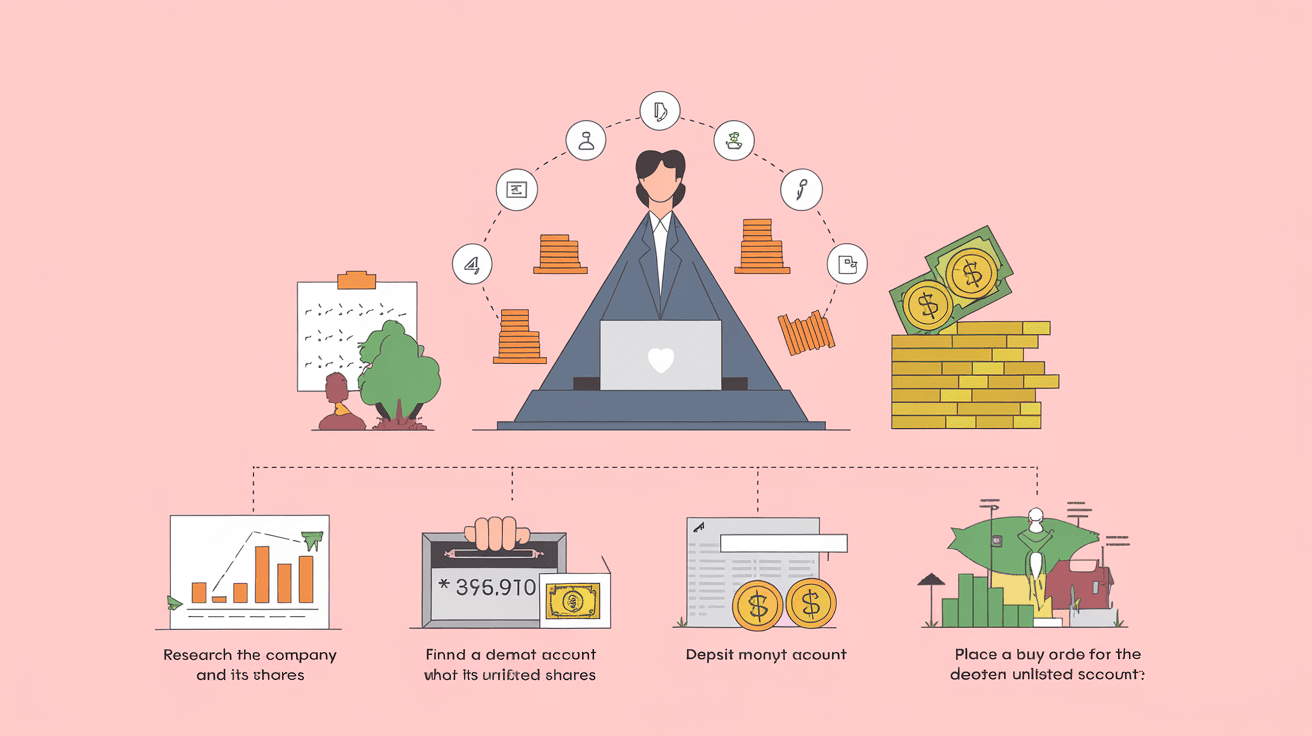
Buying unlisted shares involves a few specific steps. Here’s how you can do it:
Start by researching companies whose unlisted shares you want to buy. You can find these through:
Make sure to gather detailed information about the company’s financial health, business model, and growth prospects.
Since unlisted shares are not traded on exchanges, you need to find someone willing to sell their shares. Sellers can be:
You can connect with sellers through:
Before buying, verify the company’s documents and shareholding details. Check:
Due diligence helps you avoid fraud and understand the true value of the shares.
Unlike listed shares, unlisted shares don’t have a market price. You and the seller must agree on a fair price based on:
You can also seek advice from financial experts or valuation professionals.
The company’s board must approve the transfer of unlisted shares. This is mandatory under the Companies Act, 2013. The company will issue a board resolution confirming the transfer.
Prepare and sign a share transfer agreement that outlines:
This legal document protects your interests.
You must pay stamp duty on the share transfer, which varies by state but is generally around 0.25% to 0.5% of the transaction value. After payment, the company updates its register of members to reflect the new shareholder.
Once the transfer is registered, the company issues share certificates in your name. These certificates are proof of your ownership.
Buying unlisted shares in India involves compliance with several laws:
Make sure to consult legal and tax experts to avoid any compliance issues.
Investing in unlisted shares carries risks you should be aware of:
To reduce risks, always do thorough due diligence and work with trusted intermediaries.
Here are some practical tips to help you buy unlisted shares safely:
Following these tips can protect your investment and improve your chances of success.
If you already own unlisted shares and want to sell, here’s what you need to do:
Selling unlisted shares can take time due to limited market demand, so plan accordingly.
Several online platforms have emerged to facilitate unlisted share transactions. Some popular ones include:
| Platform | Features | Fees |
| UnlistedZone | Marketplace for startups and private shares | Transaction-based fees |
| EquityBee | Access to pre-IPO shares and startups | Service charges apply |
| Investify | Investment in unlisted companies | Varies by deal |
| Tracxn | Data and investment opportunities | Subscription-based |
These platforms provide transparency, legal compliance, and ease of transaction.
Buying unlisted shares in India offers a unique chance to invest early in promising companies. While the process is different from buying listed shares, understanding the steps and legal requirements can help you navigate it smoothly. Always prioritize due diligence, legal compliance, and risk management.
If you’re ready to explore unlisted shares, start by researching companies, connecting with sellers, and using trusted platforms. With careful planning, you can add valuable assets to your investment portfolio and potentially enjoy significant returns.
You can find sellers through registered brokers, online platforms like UnlistedZone, startup networks, or business contacts. Networking events and private equity firms also help connect buyers and sellers.
Buying unlisted shares carries risks such as illiquidity and lack of transparency. To stay safe, conduct thorough due diligence, use legal agreements, and work with trusted intermediaries.
You need a share transfer agreement, board resolution approving the transfer, share certificates, and proof of stamp duty payment. These documents ensure legal ownership and compliance.
Selling unlisted shares can be challenging due to limited buyers. You need board approval and must find a willing buyer. Plan your exit strategy carefully.
Capital gains from unlisted shares are taxable under the Income Tax Act. Short-term and long-term capital gains tax rates apply depending on the holding period. Consult a tax advisor for details.