

How to Become Solicitor General of India
F
Discover verified facts, data, and insights about India’s states, culture, economy, education, and more — all in one place at FactBharat.
Search for a command to run...
Discover verified facts, data, and insights about India’s states, culture, economy, education, and more — all in one place at FactBharat.
No comments yet. Be the first to comment.
Moving to the USA from India is a dream for many. Whether you want to study, work, or live with family, the process can seem complex. But with the right information, you can plan your move confidently. I’ll guide you through the key steps and options...
Opening a college in India is a dream for many educators and entrepreneurs who want to contribute to the country’s education sector. If you are one of those who want to start a college, you need to understand the process clearly. It involves several ...
Opening a hospital in India is a significant and rewarding venture. If you’ve ever wondered how to start one, you’re in the right place. Whether you’re a healthcare professional, entrepreneur, or investor, understanding the process is crucial. You’ll...
Opening a medical store in India can be a rewarding business opportunity. You get to serve your community by providing essential medicines and healthcare products. If you are thinking about starting a medical store, you might wonder where to begin an...
Opening a restaurant in India can be an exciting and rewarding venture. Whether you dream of serving traditional Indian dishes or international cuisine, the process involves careful planning and understanding of local regulations. If you’re ready to ...
FactBharat | Insights About India
2558 posts
Discover verified facts, data, and insights about India’s states, culture, economy, education, and more — all in one place at FactBharat.
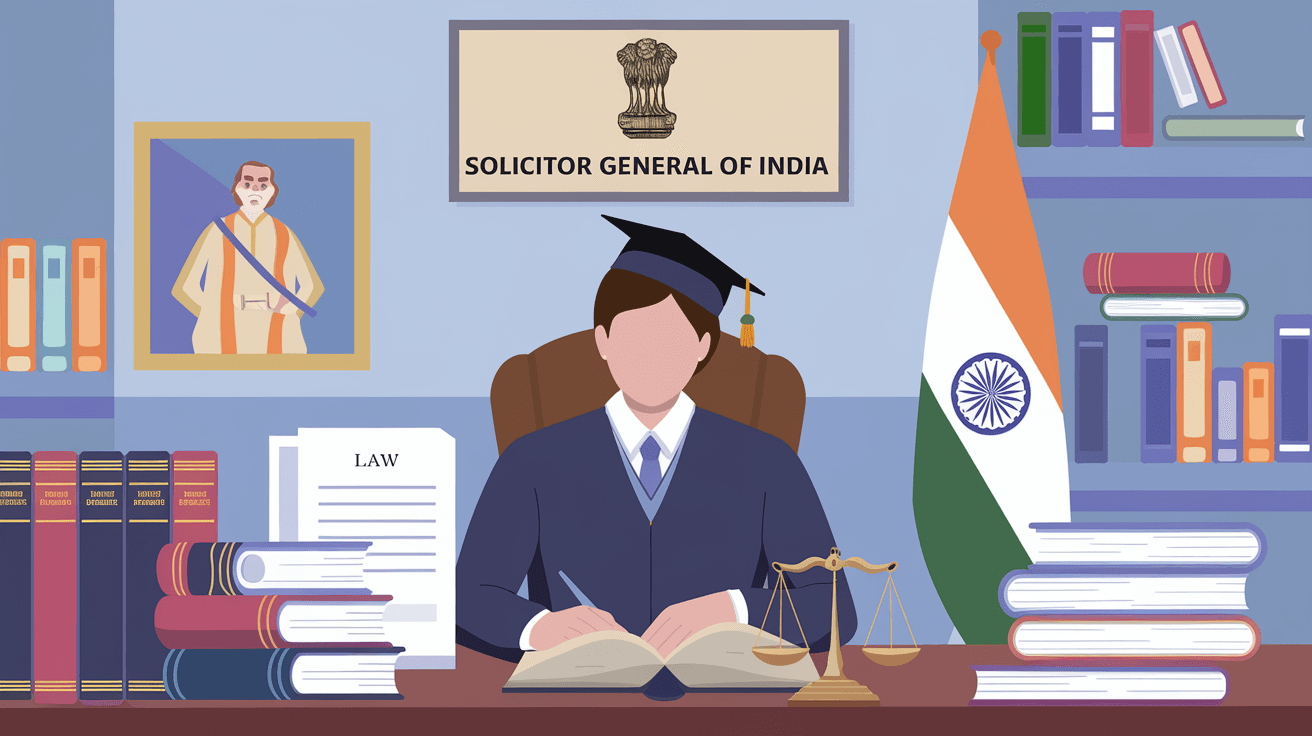
Becoming the Solicitor General of India is a prestigious goal for many legal professionals. If you are passionate about law and want to serve the country at the highest level, understanding the path to this position is essential. In this article, I will guide you through the qualifications, career steps, and the appointment process involved in becoming the Solicitor General of India.
We will explore what the role entails, the eligibility criteria, and how you can prepare yourself to reach this esteemed position. Whether you are a law student or a practicing advocate, this guide will help you understand the journey ahead.
The Solicitor General of India is the second highest law officer in the country, just after the Attorney General. This position plays a crucial role in representing the Government of India in the Supreme Court and other courts. The Solicitor General advises the government on important legal matters and assists in the formulation of legal policies.
The Solicitor General acts as a bridge between the government and the judiciary, ensuring that the government’s legal stance is effectively communicated.
To become the Solicitor General, you must meet certain qualifications and have a strong legal background. The position is not open to fresh law graduates but requires years of experience and recognition in the legal field.
The government usually selects candidates who have demonstrated legal excellence and integrity.
The journey to becoming the Solicitor General involves building a strong legal career and gaining recognition in the legal community. Here’s a typical career path you might follow:
This path requires dedication, continuous learning, and a strong professional network.
The Solicitor General is appointed by the President of India on the advice of the Union Cabinet. The process is not governed by a fixed set of rules but follows established conventions.
The appointment is based on merit, experience, and the ability to represent the government effectively.
To succeed as the Solicitor General, you need more than just legal knowledge. Certain skills and qualities are essential.
Developing these skills will help you stand out as a top legal professional.
The role comes with significant responsibilities and challenges. Understanding these can help you prepare better.
Despite these challenges, the role offers a unique opportunity to influence the country’s legal landscape.
If you aim to become the Solicitor General, here are some practical tips to guide your journey:
These steps will help you build a solid foundation for your career.
Becoming the Solicitor General of India is a challenging but rewarding goal for any legal professional. It requires years of dedication, experience, and a strong commitment to public service. By understanding the role, eligibility criteria, and appointment process, you can chart a clear path toward this prestigious position.
Remember, the journey involves continuous learning, building expertise, and maintaining high ethical standards. If you are passionate about law and want to serve the nation at the highest level, preparing yourself for this role can be a fulfilling career choice.
The Attorney General is the highest law officer and primary legal advisor to the government, while the Solicitor General is the second highest and assists the Attorney General in legal matters.
There is no fixed term; the Solicitor General holds office at the pleasure of the President and usually serves as long as the government desires.
No, the position requires many years of legal practice and experience, typically 10-15 years or more.
While primarily a legal advisor and representative, the Solicitor General may assist in legal policy formulation by advising the government.
The Solicitor General is appointed by the President of India on the recommendation of the Union Cabinet, usually based on merit and experience.