

How to Become Exporter in India
F
Discover verified facts, data, and insights about India’s states, culture, economy, education, and more — all in one place at FactBharat.
Search for a command to run...
Discover verified facts, data, and insights about India’s states, culture, economy, education, and more — all in one place at FactBharat.
No comments yet. Be the first to comment.
Moving to the USA from India is a dream for many. Whether you want to study, work, or live with family, the process can seem complex. But with the right information, you can plan your move confidently. I’ll guide you through the key steps and options...
Opening a college in India is a dream for many educators and entrepreneurs who want to contribute to the country’s education sector. If you are one of those who want to start a college, you need to understand the process clearly. It involves several ...
Opening a hospital in India is a significant and rewarding venture. If you’ve ever wondered how to start one, you’re in the right place. Whether you’re a healthcare professional, entrepreneur, or investor, understanding the process is crucial. You’ll...
Opening a medical store in India can be a rewarding business opportunity. You get to serve your community by providing essential medicines and healthcare products. If you are thinking about starting a medical store, you might wonder where to begin an...
Opening a restaurant in India can be an exciting and rewarding venture. Whether you dream of serving traditional Indian dishes or international cuisine, the process involves careful planning and understanding of local regulations. If you’re ready to ...
FactBharat | Insights About India
2558 posts
Discover verified facts, data, and insights about India’s states, culture, economy, education, and more — all in one place at FactBharat.
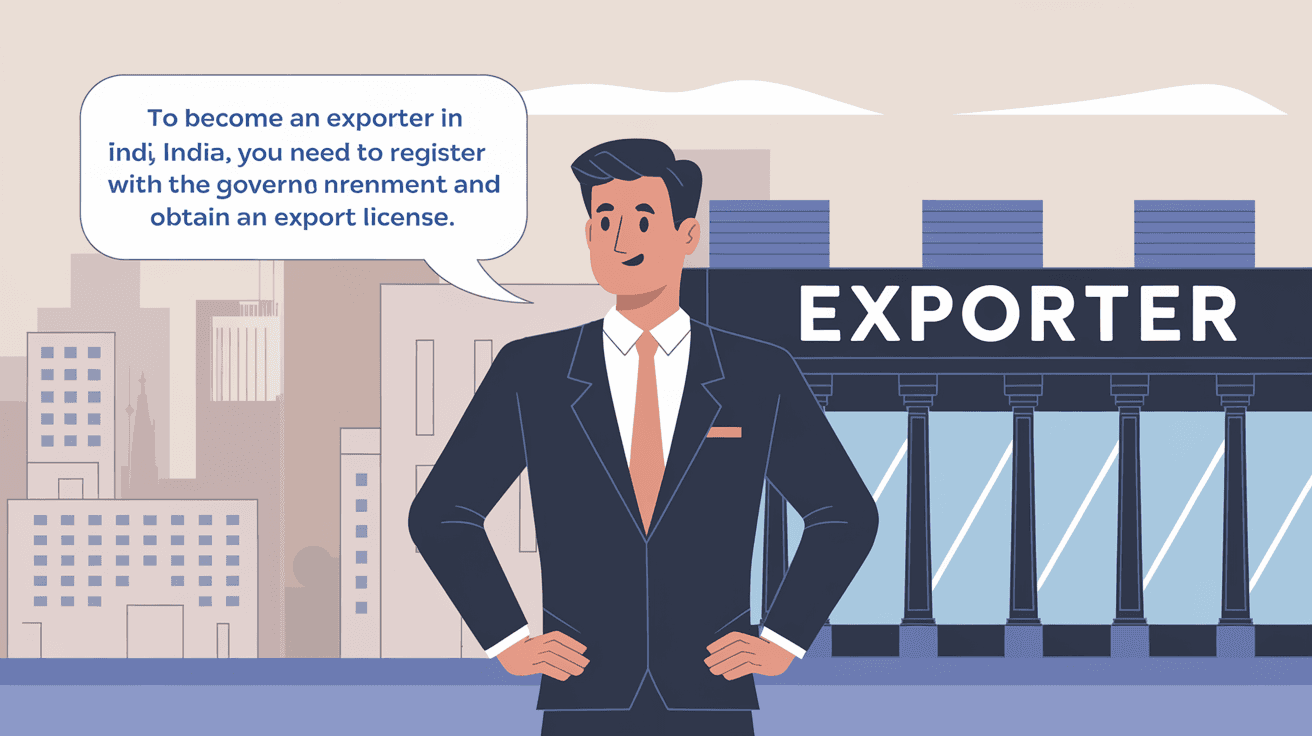
Becoming an exporter in India can open doors to global markets and increase your business revenue. If you’re thinking about selling your products overseas, you’re in the right place. I’ll guide you through the essential steps to start exporting from India smoothly and legally.
Exporting might seem complicated at first, but with the right information, you can navigate the process confidently. From registrations to documentation and understanding export incentives, this article covers everything you need to know to become a successful exporter in India.
Exporting means selling goods or services produced in India to buyers in other countries. It’s a great way to expand your business beyond local markets. India’s government supports exporters with various schemes and policies to boost international trade.
Here’s why exporting is important:
India exports a wide range of products like textiles, pharmaceuticals, engineering goods, and agricultural products. To become an exporter, you need to understand the rules and procedures set by Indian authorities.
The first and most crucial step to start exporting from India is to get an Importer Exporter Code (IEC). This is a 10-digit code issued by the Directorate General of Foreign Trade (DGFT). Without an IEC, you cannot legally export or import goods.
Having an IEC is mandatory for customs clearance and availing export benefits. It’s a one-time registration and valid for lifetime unless cancelled.
Before exporting, decide what product you want to sell and which country you want to target. Research global demand, competition, and regulations in your chosen market.
Choosing the right product and market increases your chances of success and reduces risks.
Export Promotion Councils help exporters with market information, training, and export incentives. Registering with the relevant EPC can provide you with valuable support.
Some popular EPCs in India include the Apparel Export Promotion Council, Engineering Export Promotion Council, and Agricultural & Processed Food Products Export Development Authority.
Exporting involves several documents that ensure smooth customs clearance and payment. Knowing these documents is essential to avoid delays and penalties.
Make sure your documents are accurate and comply with both Indian and foreign regulations.
Once you have your IEC and documents ready, you need to clear customs and arrange shipping. Customs clearance involves submitting your export documents and paying any applicable duties.
Efficient customs clearance and shipping help you deliver goods on time and maintain good buyer relationships.
Getting paid on time is crucial for your export business. There are different payment methods used in international trade, each with its own risks and benefits.
Use secure payment methods and consider export credit insurance to protect against non-payment.
The Indian government offers various incentives to encourage exports. These can reduce your costs and improve profitability.
Check eligibility and apply for these schemes through DGFT or EPCs.
Starting as an exporter can be challenging. Here are some practical tips to help you succeed:
Being patient and persistent will help you grow your export business steadily.
Becoming an exporter in India involves several steps, but it’s a rewarding journey. You start by obtaining your Importer Exporter Code, choosing the right product and market, and registering with export councils. Understanding export documentation, customs procedures, and payment methods is essential to avoid problems.
Don’t forget to leverage government export incentives to boost your profits. With careful planning and dedication, you can expand your business globally and enjoy the benefits of international trade. Exporting from India is a great way to grow, and now you have a clear roadmap to get started.
IEC is a 10-digit code issued by DGFT that allows you to legally export or import goods in India. It is mandatory for customs clearance and availing export benefits.
No, only certain restricted products require an export license. Most products can be exported with just an IEC and proper documentation.
Typically, IEC is issued within 3 to 5 working days after submitting the application and documents online.
Yes, EPC registration is not mandatory but highly recommended for support, market insights, and export incentives.
Advance payment is safest as you receive money before shipment. Letters of Credit are also secure as banks guarantee payment after shipment.