

How to Become CEO of a Company in India
F
Discover verified facts, data, and insights about India’s states, culture, economy, education, and more — all in one place at FactBharat.
Search for a command to run...
Discover verified facts, data, and insights about India’s states, culture, economy, education, and more — all in one place at FactBharat.
No comments yet. Be the first to comment.
Moving to the USA from India is a dream for many. Whether you want to study, work, or live with family, the process can seem complex. But with the right information, you can plan your move confidently. I’ll guide you through the key steps and options...
Opening a college in India is a dream for many educators and entrepreneurs who want to contribute to the country’s education sector. If you are one of those who want to start a college, you need to understand the process clearly. It involves several ...
Opening a hospital in India is a significant and rewarding venture. If you’ve ever wondered how to start one, you’re in the right place. Whether you’re a healthcare professional, entrepreneur, or investor, understanding the process is crucial. You’ll...
Opening a medical store in India can be a rewarding business opportunity. You get to serve your community by providing essential medicines and healthcare products. If you are thinking about starting a medical store, you might wonder where to begin an...
Opening a restaurant in India can be an exciting and rewarding venture. Whether you dream of serving traditional Indian dishes or international cuisine, the process involves careful planning and understanding of local regulations. If you’re ready to ...
FactBharat | Insights About India
2558 posts
Discover verified facts, data, and insights about India’s states, culture, economy, education, and more — all in one place at FactBharat.
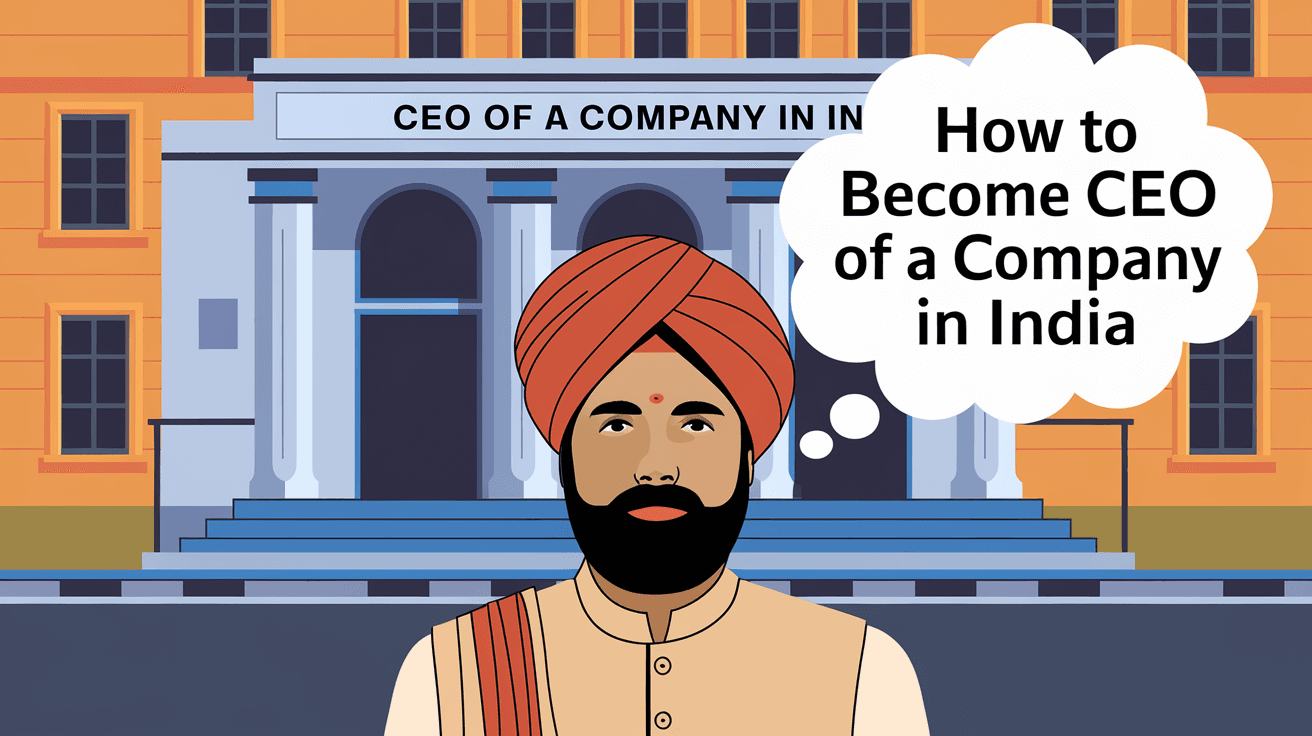
Becoming the CEO of a company in India is a dream for many ambitious professionals. You might wonder what it takes to reach this top leadership position. Whether you aim to lead a startup or a large corporation, the journey involves a mix of education, experience, and personal growth. In this article, I’ll guide you through the key steps to help you become a CEO in India.
You’ll learn about the educational paths, career moves, and leadership qualities that matter most. I’ll also share practical tips to build your network and reputation. By the end, you’ll have a clearer idea of how to plan your path to the CEO role.
The CEO, or Chief Executive Officer, is the highest-ranking executive in a company. In India, CEOs are responsible for making major corporate decisions, managing overall operations, and setting the company’s strategic direction. They act as the face of the company and are accountable to the board of directors and shareholders.
CEOs in India often deal with unique challenges like navigating regulatory environments, managing diverse teams, and adapting to fast-changing markets. Their role requires a mix of business acumen, leadership skills, and cultural understanding.
Understanding these responsibilities helps you prepare for the demands of the CEO role.
Education plays a crucial role in shaping your journey to becoming a CEO. Most CEOs in India have strong academic backgrounds, often in business, engineering, or law. Here’s how you can plan your education:
Education alone isn’t enough. You need hands-on experience to understand how businesses operate and how to lead teams effectively. Here’s how to build your career:
Being a CEO is about leading people and inspiring teams. You must develop strong leadership qualities to succeed.
Networking is vital in India’s business environment. Connections can open doors to new opportunities and partnerships.
Understanding India’s corporate culture is essential for any aspiring CEO. Indian companies often value hierarchy, respect for seniority, and relationship-building.
A CEO in India must understand the legal framework affecting businesses. This includes company law, tax regulations, labor laws, and compliance requirements.
Here are some practical tips to keep in mind as you work toward becoming a CEO:
Becoming a CEO of a company in India requires a blend of education, experience, leadership skills, and cultural understanding. You need to plan your career carefully, gain diverse work experience, and continuously develop your abilities. Networking and staying informed about legal and business trends are also crucial.
Remember, the journey to the top is unique for everyone. By focusing on your growth and building strong relationships, you can position yourself as a capable leader ready to take on the CEO role. Stay committed, keep learning, and embrace challenges as opportunities to grow.
Most CEOs have a bachelor’s degree in business, engineering, or commerce, often followed by an MBA. Specialized certifications in finance or management also help.
Typically, 10-15 years of relevant experience, including leadership roles, is common before becoming a CEO.
Yes, many CEOs start as entrepreneurs or work in startups, gaining valuable leadership and business skills.
Networking is very important. It helps you find mentors, job opportunities, and partnerships essential for career growth.
Focus on visionary thinking, decision-making, communication, emotional intelligence, and adaptability to lead effectively.