

How to Become an Umpire in Cricket in India
F
Discover verified facts, data, and insights about India’s states, culture, economy, education, and more — all in one place at FactBharat.
Search for a command to run...
Discover verified facts, data, and insights about India’s states, culture, economy, education, and more — all in one place at FactBharat.
No comments yet. Be the first to comment.
Moving to the USA from India is a dream for many. Whether you want to study, work, or live with family, the process can seem complex. But with the right information, you can plan your move confidently. I’ll guide you through the key steps and options...
Opening a college in India is a dream for many educators and entrepreneurs who want to contribute to the country’s education sector. If you are one of those who want to start a college, you need to understand the process clearly. It involves several ...
Opening a hospital in India is a significant and rewarding venture. If you’ve ever wondered how to start one, you’re in the right place. Whether you’re a healthcare professional, entrepreneur, or investor, understanding the process is crucial. You’ll...
Opening a medical store in India can be a rewarding business opportunity. You get to serve your community by providing essential medicines and healthcare products. If you are thinking about starting a medical store, you might wonder where to begin an...
Opening a restaurant in India can be an exciting and rewarding venture. Whether you dream of serving traditional Indian dishes or international cuisine, the process involves careful planning and understanding of local regulations. If you’re ready to ...
FactBharat | Insights About India
2558 posts
Discover verified facts, data, and insights about India’s states, culture, economy, education, and more — all in one place at FactBharat.
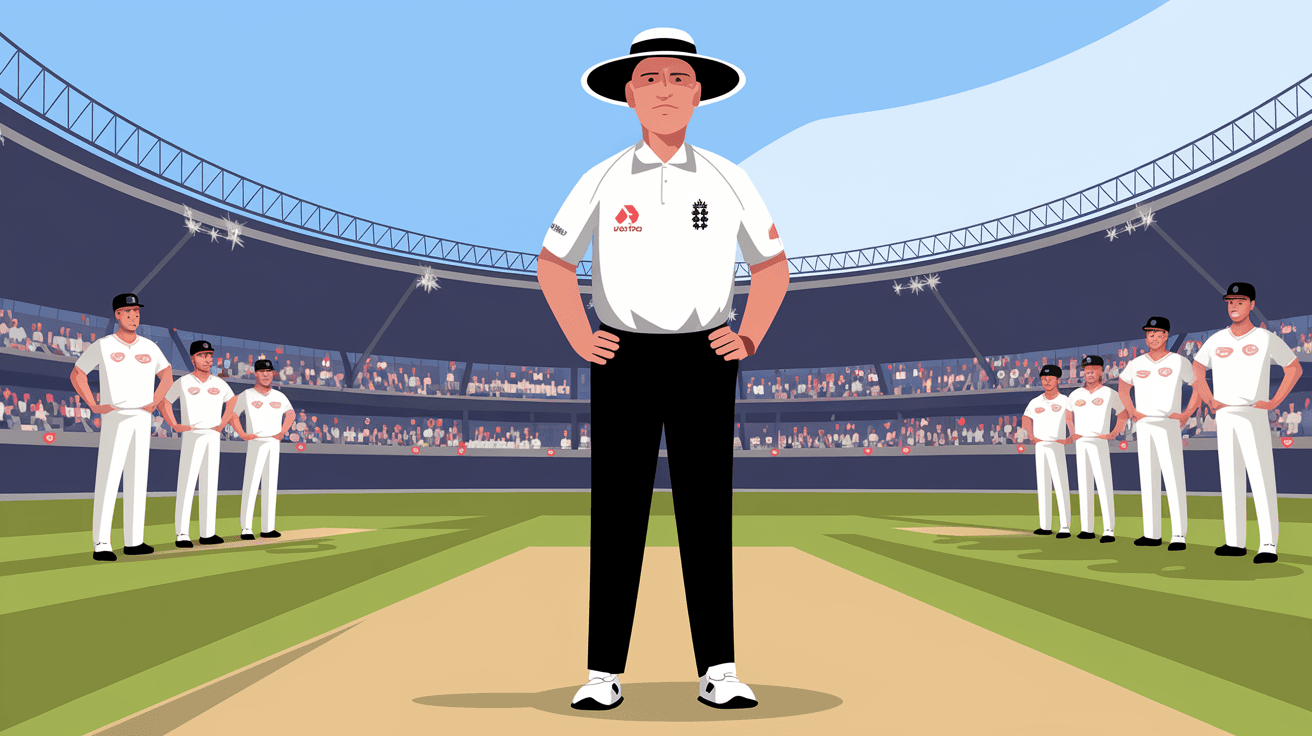
Becoming a cricket umpire in India is a rewarding way to stay connected with the sport you love. If you enjoy cricket and want to contribute to the game beyond playing, umpiring offers a unique opportunity. You get to be part of the action, make important decisions, and help maintain the spirit of the game.
In this article, I’ll guide you through the steps to become a cricket umpire in India. From understanding the qualifications to joining training programs and advancing your career, you’ll get a clear picture of what it takes. Whether you’re a student, a cricket enthusiast, or someone looking for a new challenge, this guide will help you start your umpiring journey.
A cricket umpire is responsible for enforcing the rules during a match. You make decisions on dismissals, check the legality of deliveries, and ensure fair play. Umpires also manage the game’s pace and handle disputes on the field.
Here’s what you can expect as an umpire:
Being an umpire means you must know the laws of cricket thoroughly and stay calm under pressure.
To start umpiring in India, you need to meet some basic criteria set by the Board of Control for Cricket in India (BCCI) and state cricket associations.
The main requirements include:
These are general guidelines, but specific state associations may have additional rules. It’s best to check with your local cricket association for exact details.
Here’s a clear path you can follow to become a certified cricket umpire:
Start by contacting your state or district cricket association. They organize umpiring courses and exams. Becoming a member helps you stay updated on training schedules and opportunities.
The BCCI and state associations conduct umpiring courses regularly. These courses cover:
The course usually lasts a few days to a week. You’ll learn both theory and practical skills.
After the course, you must clear a written exam. This test checks your knowledge of cricket laws and umpiring procedures. Passing this exam is essential to get certified.
Once certified, you can start umpiring local matches like club games, school tournaments, and district-level competitions. Practical experience is crucial to improve your skills and confidence.
With experience and good performance, you can umpire in state-level matches and eventually in national tournaments. The BCCI conducts further training and assessments for umpires aiming for professional levels.
The main organizations involved in umpire training and certification are:
You can find umpiring courses announced on the official websites of these bodies or through local cricket clubs.
Becoming a good umpire takes more than just passing exams. Here are some tips to help you grow in this career:
Umpiring can start as a part-time or volunteer role but has potential for growth. Here’s how your career can progress:
| Level | Description | Opportunities |
| Local Matches | Club, school, and district games | Gain experience, build reputation |
| State-Level Matches | State tournaments and leagues | Higher visibility, better pay |
| National Level | Domestic tournaments like Ranji Trophy | Professional umpiring, BCCI panel |
| International Level | ICC matches and international tournaments | Top-level umpiring, global exposure |
Successful umpires may also become match referees, coaches, or officials in cricket administration.
Umpiring is not without its challenges. Here are some common issues you might face:
Being prepared for these challenges helps you stay motivated and professional.
Technology has become a big part of modern cricket umpiring. Tools like the Decision Review System (DRS), ball-tracking, and instant replays assist umpires in making accurate calls.
In India, technology is increasingly used in domestic matches, and umpires are trained to work with these tools. This means you’ll need to:
Technology helps reduce errors and improve fairness in the game.
To begin your umpiring journey, here are some resources:
Joining cricket forums and social media groups can also connect you with experienced umpires and mentors.
If you love cricket and want to be part of the game in a unique way, becoming an umpire in India is a great choice. The path involves learning the laws, joining courses, passing exams, and gaining practical experience. With dedication, you can progress from local matches to national and even international levels.
Remember, umpiring is about fairness, focus, and passion for cricket. By staying committed and continuously improving, you can build a rewarding career that keeps you close to the sport you enjoy. So, take the first step today by reaching out to your local cricket association and starting your umpiring journey.
It usually takes a few weeks to complete the umpiring course and pass the exam. Gaining practical experience can take longer depending on the matches you officiate.
The minimum age is generally 18 years, but some state associations may allow younger candidates with special permission.
No, you don’t need to be a former player. However, having playing experience can help you understand the game better.
Earnings vary widely. Local matches may pay modest fees, while state and national level umpiring offers better remuneration.
Absolutely. Women are encouraged to become umpires and many have successfully officiated at various levels in India.