

How to Become an Army Officer in India
F
Discover verified facts, data, and insights about India’s states, culture, economy, education, and more — all in one place at FactBharat.
Search for a command to run...
Discover verified facts, data, and insights about India’s states, culture, economy, education, and more — all in one place at FactBharat.
No comments yet. Be the first to comment.
Moving to the USA from India is a dream for many. Whether you want to study, work, or live with family, the process can seem complex. But with the right information, you can plan your move confidently. I’ll guide you through the key steps and options...
Opening a college in India is a dream for many educators and entrepreneurs who want to contribute to the country’s education sector. If you are one of those who want to start a college, you need to understand the process clearly. It involves several ...
Opening a hospital in India is a significant and rewarding venture. If you’ve ever wondered how to start one, you’re in the right place. Whether you’re a healthcare professional, entrepreneur, or investor, understanding the process is crucial. You’ll...
Opening a medical store in India can be a rewarding business opportunity. You get to serve your community by providing essential medicines and healthcare products. If you are thinking about starting a medical store, you might wonder where to begin an...
Opening a restaurant in India can be an exciting and rewarding venture. Whether you dream of serving traditional Indian dishes or international cuisine, the process involves careful planning and understanding of local regulations. If you’re ready to ...
FactBharat | Insights About India
2558 posts
Discover verified facts, data, and insights about India’s states, culture, economy, education, and more — all in one place at FactBharat.
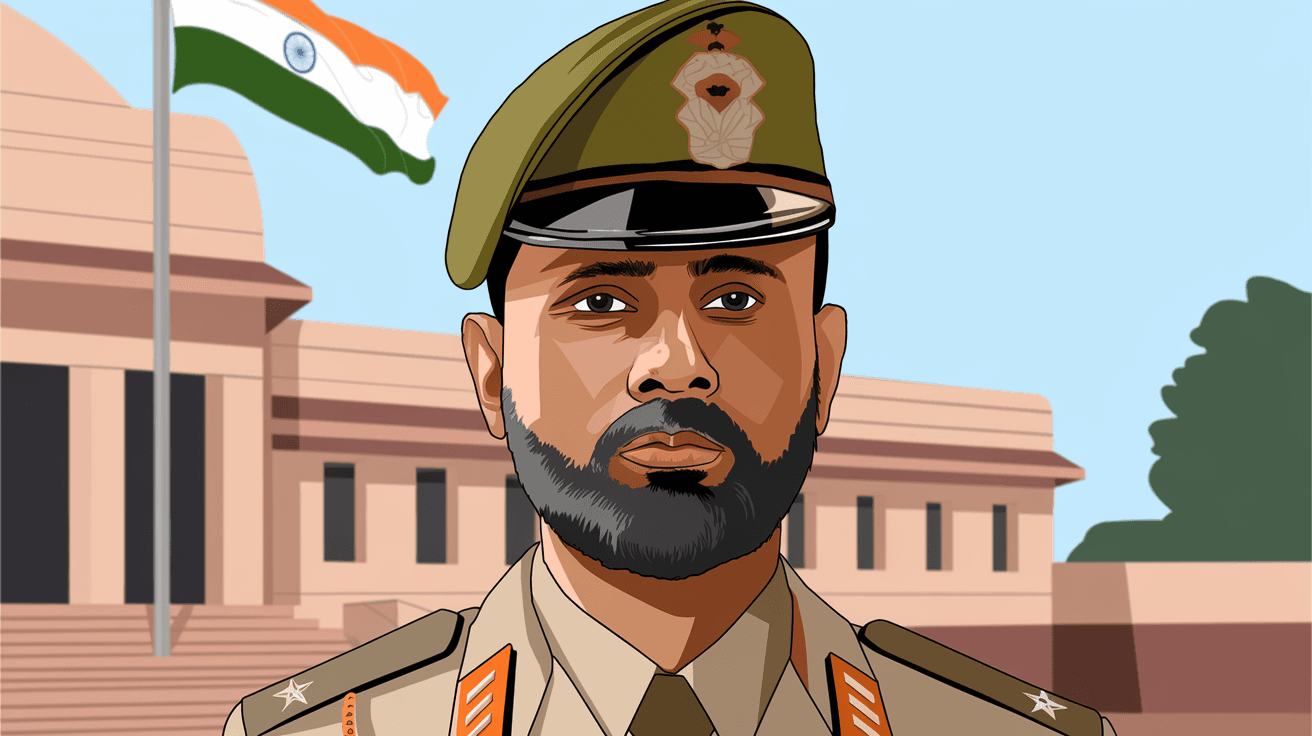
Becoming an Army officer in India is a dream for many young people who want to serve their country with honor and courage. If you are one of them, you might wonder how to start this journey and what steps you need to follow. The good news is that India offers several clear paths to join the Indian Army as an officer, depending on your age, education, and interests.
In this article, I will guide you through the entire process of becoming an Army officer in India. You will learn about the eligibility criteria, the different exams you can take, the training involved, and the career opportunities that await you. By the end, you will have a clear understanding of how to prepare and succeed in this noble career.
Before you start preparing, it’s important to know if you meet the basic eligibility requirements. These criteria ensure that candidates are physically and mentally fit to handle the responsibilities of an Army officer.
Meeting these criteria is the first step toward becoming an Army officer. If you don’t meet them now, you can plan to fulfill them in the future.
India offers multiple entry routes to become an Army officer. Each has its own eligibility, exam pattern, and training duration. Here are the main ones:
NDA is ideal if you want to join the Army right after high school. It combines academic education with military training.
CDS is for graduates who want to join the Army, Navy, or Air Force. It’s a popular route for those who missed NDA or completed graduation.
TES is for candidates interested in technical roles like engineering within the Army.
UES targets engineering graduates and offers a direct path to officer training.
SSC is a flexible option for those who want to serve for a limited time.
Once you choose your entry scheme, you need to clear the selection process. It usually involves written exams, physical tests, and interviews.
Preparing well for each stage increases your chances of success.
After selection, you undergo rigorous training to transform into a competent Army officer.
Training is demanding but rewarding, shaping you into a confident leader.
Once commissioned, your career as an Army officer begins with many opportunities for growth and specialization.
The Indian Army offers a fulfilling career with a chance to serve the nation and grow professionally.
If you are serious about joining the Indian Army as an officer, here are some practical tips:
Consistent effort and dedication will help you clear the tough selection process.
Becoming an Army officer in India is a challenging but highly rewarding journey. Whether you choose NDA, CDS, TES, or SSC, each path demands dedication, physical fitness, and mental strength. By understanding the eligibility, selection process, and training involved, you can prepare effectively and increase your chances of success.
Serving as an Army officer means leading with courage, discipline, and honor. It offers a unique career with opportunities for growth, adventure, and national pride. If you are ready to commit yourself to this noble profession, start your preparation today and take the first step toward becoming a proud officer of the Indian Army.
For most entry schemes like CDS and SSC, a bachelor's degree is required. NDA requires completion of 10+2 education.
Yes, women can join the Indian Army as officers through SSC (Non-Technical) and other schemes, with increasing opportunities in various branches.
Candidates must be between 16.5 and 19.5 years old to apply for the NDA exam.
Training at IMA typically lasts for 1 to 2 years, depending on the entry route.
Yes, all candidates must meet physical and medical standards to qualify for selection and training.