

How to Become a Yoga Teacher in India
F
Discover verified facts, data, and insights about India’s states, culture, economy, education, and more — all in one place at FactBharat.
Search for a command to run...
Discover verified facts, data, and insights about India’s states, culture, economy, education, and more — all in one place at FactBharat.
No comments yet. Be the first to comment.
Moving to the USA from India is a dream for many. Whether you want to study, work, or live with family, the process can seem complex. But with the right information, you can plan your move confidently. I’ll guide you through the key steps and options...
Opening a college in India is a dream for many educators and entrepreneurs who want to contribute to the country’s education sector. If you are one of those who want to start a college, you need to understand the process clearly. It involves several ...
Opening a hospital in India is a significant and rewarding venture. If you’ve ever wondered how to start one, you’re in the right place. Whether you’re a healthcare professional, entrepreneur, or investor, understanding the process is crucial. You’ll...
Opening a medical store in India can be a rewarding business opportunity. You get to serve your community by providing essential medicines and healthcare products. If you are thinking about starting a medical store, you might wonder where to begin an...
Opening a restaurant in India can be an exciting and rewarding venture. Whether you dream of serving traditional Indian dishes or international cuisine, the process involves careful planning and understanding of local regulations. If you’re ready to ...
FactBharat | Insights About India
2558 posts
Discover verified facts, data, and insights about India’s states, culture, economy, education, and more — all in one place at FactBharat.
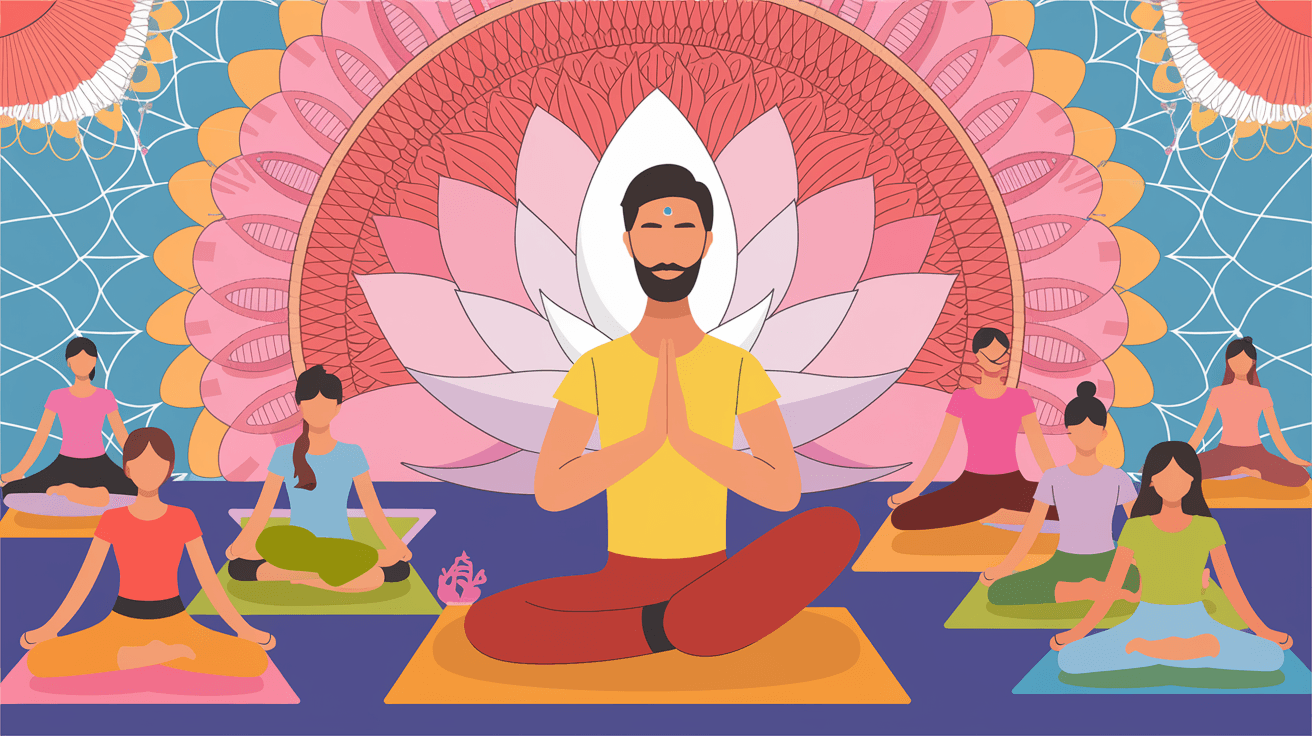
Becoming a yoga teacher in India is a rewarding journey that connects you deeply with the ancient practice of yoga. Whether you want to teach locally or internationally, India offers the best environment to learn and grow as a yoga instructor. You’ll not only master yoga techniques but also embrace its philosophy and lifestyle.
If you’re wondering how to start, this guide will walk you through the essential steps. From choosing the right training program to getting certified and building your career, you’ll find practical advice to help you become a confident yoga teacher in India.
Yoga teacher training in India is known worldwide for its authenticity and depth. The country has many schools offering courses that follow traditional methods and modern teaching techniques.
Training in India often includes meditation, anatomy, philosophy, and teaching methodology, giving you a well-rounded education.
Selecting the right yoga school is crucial for your growth as a teacher. Here’s what to consider:
Visiting the school or attending an introductory session can also help you decide.
Here’s a clear path to becoming a certified yoga teacher:
Following these steps will set you on a professional path in yoga teaching.
Understanding the investment involved helps you plan better:
Many schools offer flexible payment plans or early bird discounts, so inquire before enrolling.
Once certified, you have many options to build your yoga career:
Building a network and continuing education will help you grow your career steadily.
To thrive as a yoga teacher, keep these tips in mind:
These habits will help you create a fulfilling and sustainable yoga teaching career.
If you’re coming from abroad to train in India, here are some important points:
Planning ahead ensures a smooth and enjoyable training experience.
Training in India is more than just classes; it’s a cultural experience:
Embracing these experiences enriches your yoga journey.
After completing your initial certification, you can pursue advanced training:
These specializations increase your expertise and marketability.
Creating a personal brand helps you stand out:
A strong brand attracts loyal students and opens new opportunities.
Becoming a yoga teacher in India is a fulfilling path that blends physical practice, philosophy, and personal growth. By choosing the right training, getting certified, and embracing the culture, you set yourself up for a meaningful career. Whether you want to teach locally or globally, India’s rich yoga heritage offers the perfect foundation.
Remember, yoga teaching is not just a job but a lifestyle. Keep learning, stay authentic, and connect with your students deeply. With dedication and passion, you can inspire others and transform lives through yoga.
Most basic yoga teacher training courses in India last between 3 to 4 weeks. Advanced certifications can take 6 months or more depending on the program.
Training costs range from ₹50,000 to ₹2,00,000, including tuition, accommodation, and meals. Additional expenses like travel and visa are extra.
While prior experience helps, many schools accept beginners. A strong personal practice is recommended before starting training.
Yes, foreign students can apply for a Student Visa or e-Tourist Visa depending on course length. Proper documentation is required.
Yoga Alliance certification is widely recognized and helps you teach internationally, but some countries may have additional requirements.