

How to Become a Writer in India
F
Discover verified facts, data, and insights about India’s states, culture, economy, education, and more — all in one place at FactBharat.
Search for a command to run...
Discover verified facts, data, and insights about India’s states, culture, economy, education, and more — all in one place at FactBharat.
No comments yet. Be the first to comment.
Moving to the USA from India is a dream for many. Whether you want to study, work, or live with family, the process can seem complex. But with the right information, you can plan your move confidently. I’ll guide you through the key steps and options...
Opening a college in India is a dream for many educators and entrepreneurs who want to contribute to the country’s education sector. If you are one of those who want to start a college, you need to understand the process clearly. It involves several ...
Opening a hospital in India is a significant and rewarding venture. If you’ve ever wondered how to start one, you’re in the right place. Whether you’re a healthcare professional, entrepreneur, or investor, understanding the process is crucial. You’ll...
Opening a medical store in India can be a rewarding business opportunity. You get to serve your community by providing essential medicines and healthcare products. If you are thinking about starting a medical store, you might wonder where to begin an...
Opening a restaurant in India can be an exciting and rewarding venture. Whether you dream of serving traditional Indian dishes or international cuisine, the process involves careful planning and understanding of local regulations. If you’re ready to ...
FactBharat | Insights About India
2558 posts
Discover verified facts, data, and insights about India’s states, culture, economy, education, and more — all in one place at FactBharat.
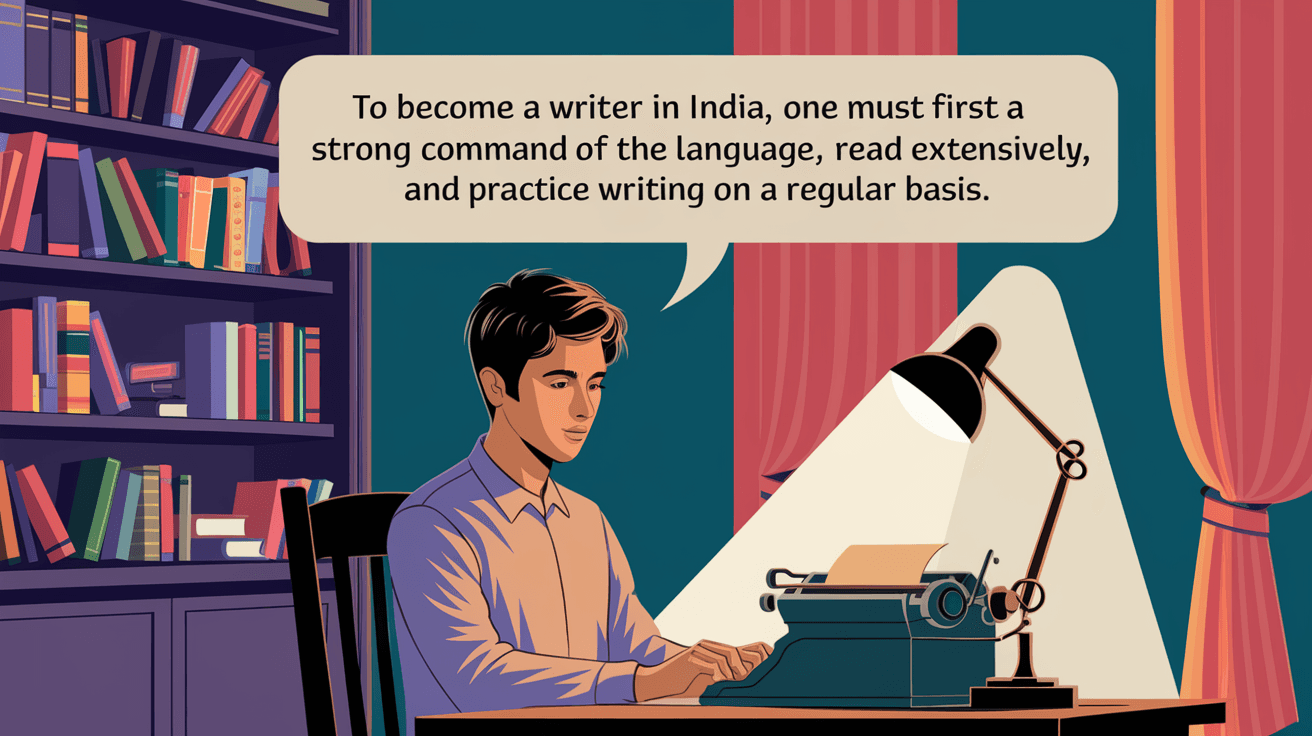
Becoming a writer in India is an exciting journey that many dream of but often find challenging to start. Whether you want to write novels, articles, scripts, or blogs, the path to becoming a writer involves more than just putting words on paper. You need the right skills, knowledge, and mindset to succeed in this competitive field.
If you’re wondering how to become a writer in India, you’re in the right place. I’ll guide you through practical steps, from building your writing skills to finding opportunities and growing your career. Writing is a craft you can develop, and with dedication, you can turn your passion into a profession.
India has a rich literary tradition, with many languages and genres flourishing across the country. Today, the writing industry is diverse, including fiction, non-fiction, journalism, content writing, and digital media. Understanding this landscape helps you decide which writing path suits you best.
Knowing these options helps you focus your efforts on the writing style and market that fits your interests and skills.
Good writing starts with strong skills. You don’t need a formal degree to become a writer, but learning the basics is crucial. Here’s how you can improve your writing:
Consistent practice and learning help you develop a unique voice and clarity in your writing.
While formal education is not mandatory, it can provide structure and credibility. Here are some educational options for aspiring writers in India:
Education helps you understand writing techniques, research methods, and publishing processes, which are valuable for your career.
Writing offers various career paths depending on your interests and skills. Here are some popular options:
Each career requires specific skills and offers different opportunities. You can also combine roles, such as being a content writer and an author.
A strong portfolio showcases your writing skills and helps you attract clients or publishers. Here’s how to build one:
Publishing your work, even on small platforms, helps you gain experience and build an audience.
Networking is key to growing as a writer in India. Here are ways to connect with the writing community and find work:
Networking opens doors to mentorship, collaborations, and paid writing gigs.
Writing in India comes with challenges such as competition, financial instability, and language barriers. Here’s how to tackle them:
Facing these challenges with patience and strategy increases your chances of success.
Technology plays a big role in modern writing careers. Here’s how you can use it:
Leveraging technology helps you write efficiently and market your work effectively.
Writing is a long-term journey. Here are some tips to keep you motivated:
Staying motivated helps you maintain consistency and improve over time.
Becoming a writer in India is a rewarding but challenging path. You need to build strong writing skills, choose the right education, and explore various career options. Publishing your work and networking with other writers are essential steps to grow your career.
Remember, writing is a craft that improves with practice and patience. Use technology to your advantage and stay motivated through ups and downs. Whether you want to be a novelist, journalist, or content writer, the key is to keep writing and sharing your voice with the world.
Formal education helps build language and writing skills but is not mandatory. Many successful writers are self-taught or learn through courses and practice.
Yes, many writers start with articles, blogs, or freelance content before publishing books. Building a portfolio is key.
You can write in English, Hindi, or any regional language. English and Hindi have larger markets, but regional languages offer unique opportunities.
Use platforms like Upwork, Freelancer, and Fiverr. Networking and joining writing groups also help find freelance gigs.
Self-publishing is a great way to start, especially if traditional publishing is challenging. It gives you control over your work and direct access to readers.