

How to Become a Wildlife Photographer in India
F
Discover verified facts, data, and insights about India’s states, culture, economy, education, and more — all in one place at FactBharat.
Search for a command to run...
Discover verified facts, data, and insights about India’s states, culture, economy, education, and more — all in one place at FactBharat.
No comments yet. Be the first to comment.
Moving to the USA from India is a dream for many. Whether you want to study, work, or live with family, the process can seem complex. But with the right information, you can plan your move confidently. I’ll guide you through the key steps and options...
Opening a college in India is a dream for many educators and entrepreneurs who want to contribute to the country’s education sector. If you are one of those who want to start a college, you need to understand the process clearly. It involves several ...
Opening a hospital in India is a significant and rewarding venture. If you’ve ever wondered how to start one, you’re in the right place. Whether you’re a healthcare professional, entrepreneur, or investor, understanding the process is crucial. You’ll...
Opening a medical store in India can be a rewarding business opportunity. You get to serve your community by providing essential medicines and healthcare products. If you are thinking about starting a medical store, you might wonder where to begin an...
Opening a restaurant in India can be an exciting and rewarding venture. Whether you dream of serving traditional Indian dishes or international cuisine, the process involves careful planning and understanding of local regulations. If you’re ready to ...
FactBharat | Insights About India
2558 posts
Discover verified facts, data, and insights about India’s states, culture, economy, education, and more — all in one place at FactBharat.
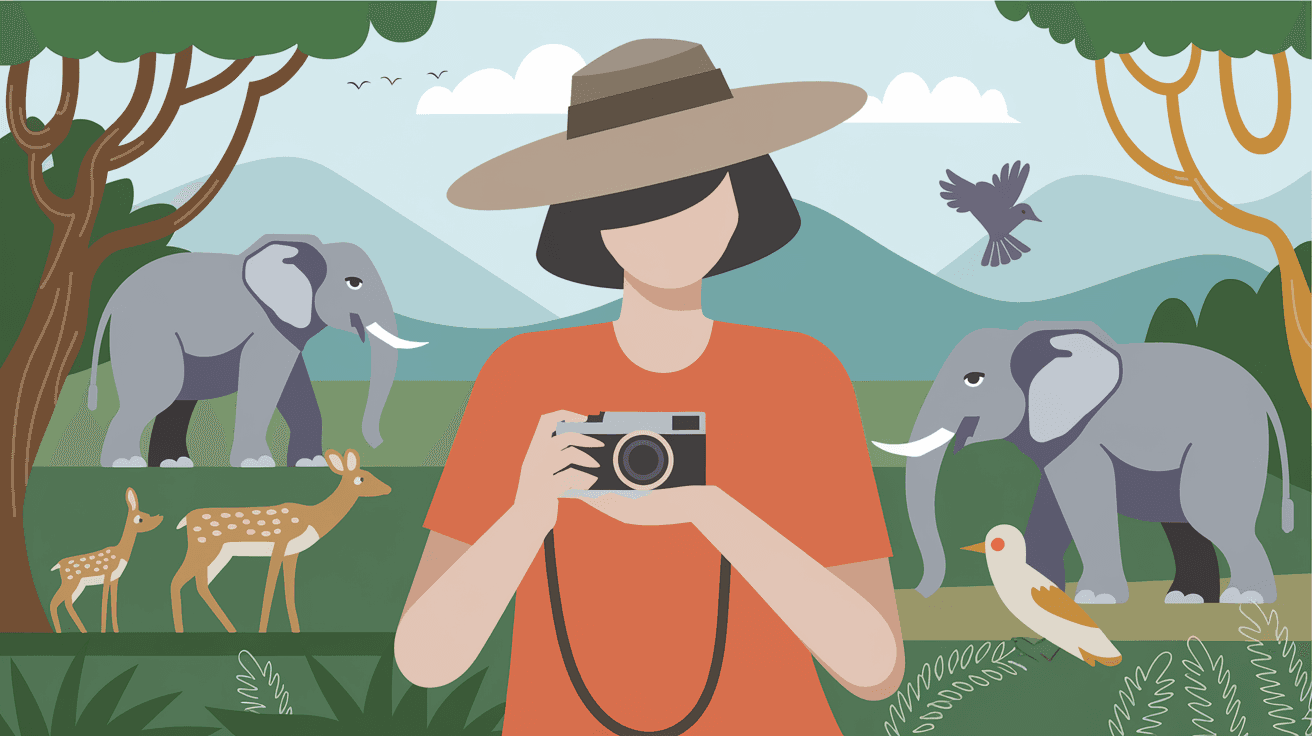
Becoming a wildlife photographer in India is an exciting journey that combines passion for nature with creative skills. If you love animals and the outdoors, this career lets you capture stunning moments in the wild. You get to explore India’s rich biodiversity, from the jungles of Madhya Pradesh to the forests of the Western Ghats.
In this article, I’ll guide you through the steps to become a wildlife photographer in India. We’ll cover the skills you need, equipment essentials, how to build your portfolio, and ways to turn your passion into a profession. Whether you’re just starting or want to improve your craft, this guide will help you take the right steps.
Wildlife photography is about capturing animals and their habitats in natural settings. India is a hotspot for wildlife, home to tigers, elephants, peacocks, and many rare species. This makes it a perfect place to pursue wildlife photography.
You’ll often spend hours waiting for the perfect shot. It’s not just about clicking pictures but telling stories through your images. Understanding the environment and animals’ habits helps you capture unique moments.
To succeed as a wildlife photographer, you need more than just a camera. Here are key skills to develop:
You can learn these skills through online courses, workshops, or by practicing regularly. Many wildlife photographers also read books and watch documentaries to improve their understanding.
Your camera gear plays a big role in wildlife photography. Here’s what you need to consider:
Investing in good equipment can be expensive, but you can start with basic gear and upgrade over time. Renting lenses or cameras is also an option when starting out.
A strong portfolio is crucial to showcase your work and attract clients or employers. Here’s how to build one:
Your portfolio should highlight your best images and show your ability to capture different species and environments.
While formal education is not mandatory, it can help you gain technical knowledge and industry connections.
Combining photography skills with knowledge of wildlife biology can make you a more effective storyteller.
Wildlife photography can be a full-time career or a part-time passion. Here are ways to find work:
Networking and persistence are key. Attend wildlife festivals, exhibitions, and seminars to meet potential clients and collaborators.
Wildlife photography is rewarding but comes with challenges:
To overcome these:
Here are some practical tips to help you get started:
These habits will improve your skills and reputation as a responsible photographer.
Becoming a wildlife photographer in India is a fulfilling way to combine your love for nature and photography. It requires dedication, skill, and respect for the environment. By learning the basics, investing in the right gear, and gaining experience, you can capture the beauty of India’s wildlife and share it with the world.
Remember, this career is about patience and passion. Every photo you take tells a story of the wild. With persistence and continuous learning, you can turn your dream into a rewarding profession.
A DSLR or mirrorless camera with fast autofocus and good low-light performance is ideal. Popular brands include Canon, Nikon, and Sony, paired with telephoto lenses.
You can learn through online courses, workshops, photography clubs, and by practicing in local parks or reserves.
No, but knowledge of animal behavior helps. Some photographers combine biology studies with photography for better understanding.
You can sell photos to magazines, stock photo websites, or work freelance for media and tourism companies.
Avoid disturbing or baiting animals, respect their space, and follow park rules to ensure safety and conservation.