

How to Become a Voice Over Artist in India
F
Discover verified facts, data, and insights about India’s states, culture, economy, education, and more — all in one place at FactBharat.
Search for a command to run...
Discover verified facts, data, and insights about India’s states, culture, economy, education, and more — all in one place at FactBharat.
No comments yet. Be the first to comment.
Moving to the USA from India is a dream for many. Whether you want to study, work, or live with family, the process can seem complex. But with the right information, you can plan your move confidently. I’ll guide you through the key steps and options...
Opening a college in India is a dream for many educators and entrepreneurs who want to contribute to the country’s education sector. If you are one of those who want to start a college, you need to understand the process clearly. It involves several ...
Opening a hospital in India is a significant and rewarding venture. If you’ve ever wondered how to start one, you’re in the right place. Whether you’re a healthcare professional, entrepreneur, or investor, understanding the process is crucial. You’ll...
Opening a medical store in India can be a rewarding business opportunity. You get to serve your community by providing essential medicines and healthcare products. If you are thinking about starting a medical store, you might wonder where to begin an...
Opening a restaurant in India can be an exciting and rewarding venture. Whether you dream of serving traditional Indian dishes or international cuisine, the process involves careful planning and understanding of local regulations. If you’re ready to ...
FactBharat | Insights About India
2558 posts
Discover verified facts, data, and insights about India’s states, culture, economy, education, and more — all in one place at FactBharat.
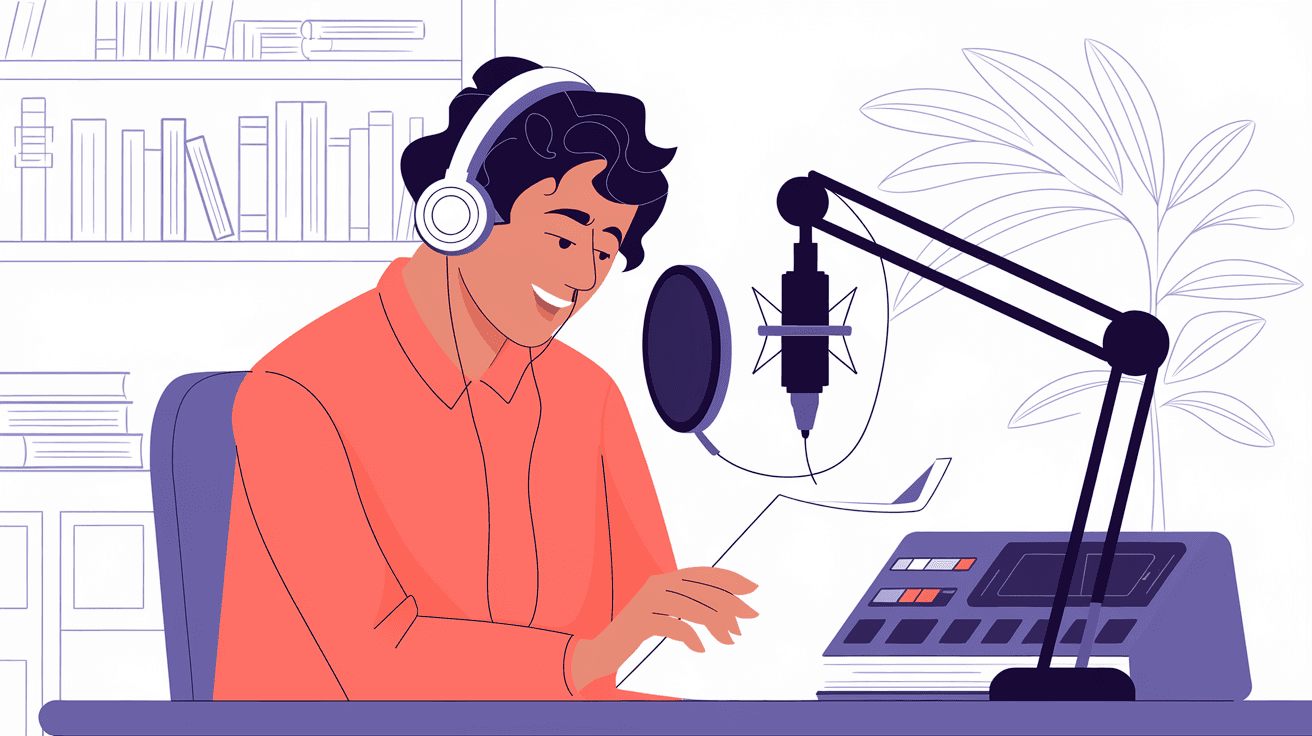
Becoming a voice over artist in India is an exciting career choice if you love using your voice creatively. Whether you want to work in commercials, animation, audiobooks, or dubbing, this field offers many opportunities. You might wonder how to start and what skills you need. Don’t worry—I’ll guide you through the essential steps to begin your voice over journey.
You don’t need to be a professional actor or have a perfect voice to succeed. With the right training, practice, and tools, you can develop your unique style and find your niche. Let’s explore how you can become a voice over artist in India and build a rewarding career.
The voice over industry in India has grown rapidly due to the rise of digital content, advertising, and regional language media. Today, brands, filmmakers, and content creators need talented voice artists for various projects.
Knowing this helps you identify where your skills fit best. You can choose to specialize in commercials, narration, dubbing, or character voices depending on your interest.
Voice over work is more than just speaking clearly. You need to master several skills to stand out:
You can improve these skills through voice training classes or online courses. Practicing regularly by recording yourself helps you notice areas to improve.
While some voice artists are self-taught, formal training can accelerate your growth. In India, many institutes offer voice over and dubbing courses. These programs teach you voice techniques, microphone handling, and studio etiquette.
Practice daily by reading scripts aloud, recording, and listening critically. Try different styles like commercial ads, storytelling, or character voices to find your strengths.
A good recording setup is crucial for professional voice over work. You don’t need an expensive studio, but your equipment should produce clear, noise-free audio.
Basic home studio essentials include:
| Equipment | Purpose |
| Quality microphone | Captures your voice clearly |
| Pop filter | Reduces harsh sounds like “p” and “b” |
| Headphones | Helps monitor your recordings |
| Audio interface | Connects microphone to your computer |
| Soundproofing | Minimizes background noise and echo |
| Recording software | For editing and saving your voice files |
Popular microphones for beginners include Audio-Technica AT2020 and Rode NT1-A. Free software like Audacity or paid options like Adobe Audition can be used for editing.
To attract clients, you need a portfolio showcasing your voice range and style. This usually means creating a demo reel—a short audio clip demonstrating your best work.
You can upload your demo on platforms like Voices.com, Fiverr, or your personal website. A strong portfolio helps casting directors and clients hear your potential.
Finding work is often the biggest challenge for new voice artists. Here are some ways to get started:
Persistence is key. Early jobs might pay less, but they build experience and reputation.
Once you start working, focus on improving and expanding your skills:
Many successful Indian voice artists also create YouTube channels or podcasts to showcase their talent and reach wider audiences.
Like any creative career, voice over work has challenges:
To overcome these:
Becoming a voice over artist in India is a rewarding journey if you are passionate about using your voice creatively. By developing your skills, investing in good equipment, and building a strong portfolio, you can open doors to many exciting opportunities. The industry is growing fast, and with persistence, you can carve out your niche.
Remember, success doesn’t happen overnight. Keep learning, practicing, and networking. Your voice can become your most powerful tool to tell stories, sell products, and entertain millions. Start today, and enjoy the journey of becoming a professional voice over artist in India.
Starting costs vary, but a basic home studio setup can cost between ₹20,000 to ₹50,000. Training courses range from free online classes to ₹30,000 for professional programs.
Yes, many artists start without formal training. However, training helps improve skills faster and increases your chances of getting professional work.
Hindi, English, Tamil, Telugu, Bengali, Marathi, Kannada, and Malayalam are highly sought after due to India’s diverse media market.
Choose 3-5 script samples showcasing different styles. Keep it under 90 seconds, use high-quality recordings, and highlight your best voice qualities.
Yes, some companies hire full-time voice artists, especially in dubbing studios and e-learning firms. Most artists, however, work freelance or part-time.