

How to Become a Voice Over Artist in India
F
Discover verified facts, data, and insights about India’s states, culture, economy, education, and more — all in one place at FactBharat.
Search for a command to run...
Discover verified facts, data, and insights about India’s states, culture, economy, education, and more — all in one place at FactBharat.
No comments yet. Be the first to comment.
Moving to the USA from India is a dream for many. Whether you want to study, work, or live with family, the process can seem complex. But with the right information, you can plan your move confidently. I’ll guide you through the key steps and options...
Opening a college in India is a dream for many educators and entrepreneurs who want to contribute to the country’s education sector. If you are one of those who want to start a college, you need to understand the process clearly. It involves several ...
Opening a hospital in India is a significant and rewarding venture. If you’ve ever wondered how to start one, you’re in the right place. Whether you’re a healthcare professional, entrepreneur, or investor, understanding the process is crucial. You’ll...
Opening a medical store in India can be a rewarding business opportunity. You get to serve your community by providing essential medicines and healthcare products. If you are thinking about starting a medical store, you might wonder where to begin an...
Opening a restaurant in India can be an exciting and rewarding venture. Whether you dream of serving traditional Indian dishes or international cuisine, the process involves careful planning and understanding of local regulations. If you’re ready to ...
FactBharat | Insights About India
2558 posts
Discover verified facts, data, and insights about India’s states, culture, economy, education, and more — all in one place at FactBharat.
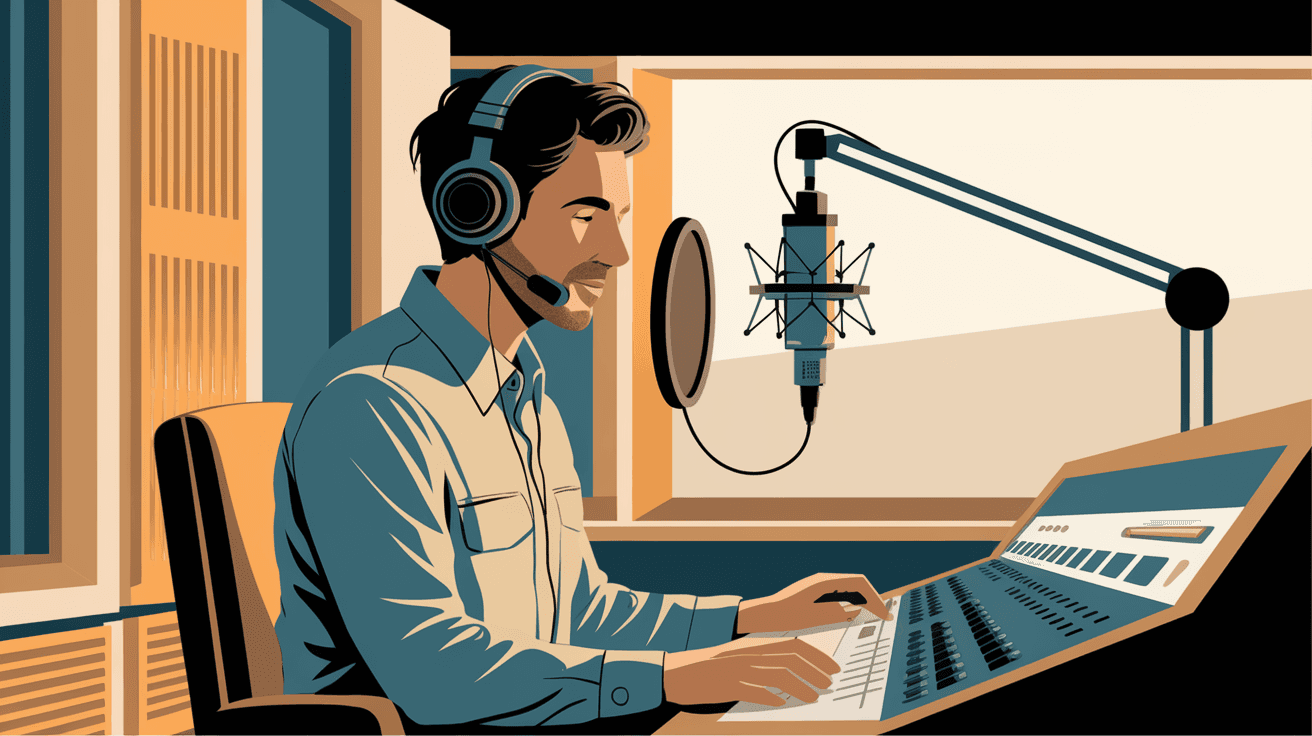
Becoming a voice over artist in India is an exciting career choice if you love using your voice creatively. Whether you want to work in commercials, animation, audiobooks, or dubbing, this field offers many opportunities. You might wonder how to start and what skills you need to succeed.
In this article, I will guide you through the essential steps to become a voice over artist in India. From training and equipment to finding clients, you’ll get a clear roadmap to launch your voice over career. Let’s explore how you can turn your voice into a powerful tool for storytelling and communication.
The voice over industry in India has grown rapidly due to the rise of digital content, advertising, and entertainment sectors. With many languages spoken across the country, there is a huge demand for voice artists who can work in Hindi, English, regional languages, and dialects.
Here’s what you should know about the industry:
Understanding these trends helps you identify where your voice fits best and what skills to focus on.
To succeed as a voice over artist, you need more than just a pleasant voice. Developing the right skills will set you apart and help you deliver professional-quality work.
Focus on these key skills:
You can improve these skills through voice training classes, online courses, or self-practice.
Training is a crucial step to polish your voice and learn industry standards. Many institutes and coaches offer voice over courses tailored for beginners and advanced artists.
Consider these options:
Some well-known voice over training centers in India include:
Training not only improves your skills but also builds confidence to audition and record professionally.
Having a good recording setup is essential for producing clear, high-quality audio. You don’t need an expensive studio, but investing in the right equipment makes a big difference.
Here’s what you need for a basic home studio:
Create a quiet, comfortable space where you can record without interruptions. This setup allows you to deliver professional demos and client projects from home.
Your demo reel is your calling card in the voice over world. It showcases your voice range and style to potential clients and casting directors.
To create an effective demo reel:
Along with your demo, build a portfolio that includes:
You can host your portfolio on platforms like Voices.com, Fiverr, or your personal website.
Getting your first voice over job can be challenging, but persistence and smart strategies help you succeed.
Try these methods to find work:
Building relationships and delivering quality work leads to repeat clients and referrals.
Once you start working, focus on continuous improvement and professionalism to grow your career.
Keep these tips in mind:
By staying dedicated and adaptable, you can build a rewarding voice over career in India.
Becoming a voice over artist in India is a journey that combines talent, training, and smart work. You can start by developing your voice skills, getting professional training, and setting up a home studio. Creating a strong demo reel and actively seeking jobs will open doors to exciting projects.
Remember, the voice over industry is competitive but full of opportunities, especially in India’s diverse language market. With patience and persistence, you can turn your passion for voice work into a successful career. So, why wait? Start practicing today and give your voice the platform it deserves.
Hindi, English, Tamil, Telugu, Bengali, Marathi, and other regional languages are highly sought after due to India’s linguistic diversity.
Beginners typically earn between ₹5,000 to ₹20,000 per project, depending on the client and project scope.
No, a basic home studio with a good mic and soundproofing is enough to start and record quality demos.
Yes, but training improves your skills and increases your chances of getting better jobs.
It varies, but with consistent practice and networking, you can start getting regular work within 6 months to a year.