

How to Become a Veterinary Doctor in India
F
Discover verified facts, data, and insights about India’s states, culture, economy, education, and more — all in one place at FactBharat.
Search for a command to run...
Discover verified facts, data, and insights about India’s states, culture, economy, education, and more — all in one place at FactBharat.
No comments yet. Be the first to comment.
Moving to the USA from India is a dream for many. Whether you want to study, work, or live with family, the process can seem complex. But with the right information, you can plan your move confidently. I’ll guide you through the key steps and options...
Opening a college in India is a dream for many educators and entrepreneurs who want to contribute to the country’s education sector. If you are one of those who want to start a college, you need to understand the process clearly. It involves several ...
Opening a hospital in India is a significant and rewarding venture. If you’ve ever wondered how to start one, you’re in the right place. Whether you’re a healthcare professional, entrepreneur, or investor, understanding the process is crucial. You’ll...
Opening a medical store in India can be a rewarding business opportunity. You get to serve your community by providing essential medicines and healthcare products. If you are thinking about starting a medical store, you might wonder where to begin an...
Opening a restaurant in India can be an exciting and rewarding venture. Whether you dream of serving traditional Indian dishes or international cuisine, the process involves careful planning and understanding of local regulations. If you’re ready to ...
FactBharat | Insights About India
2558 posts
Discover verified facts, data, and insights about India’s states, culture, economy, education, and more — all in one place at FactBharat.
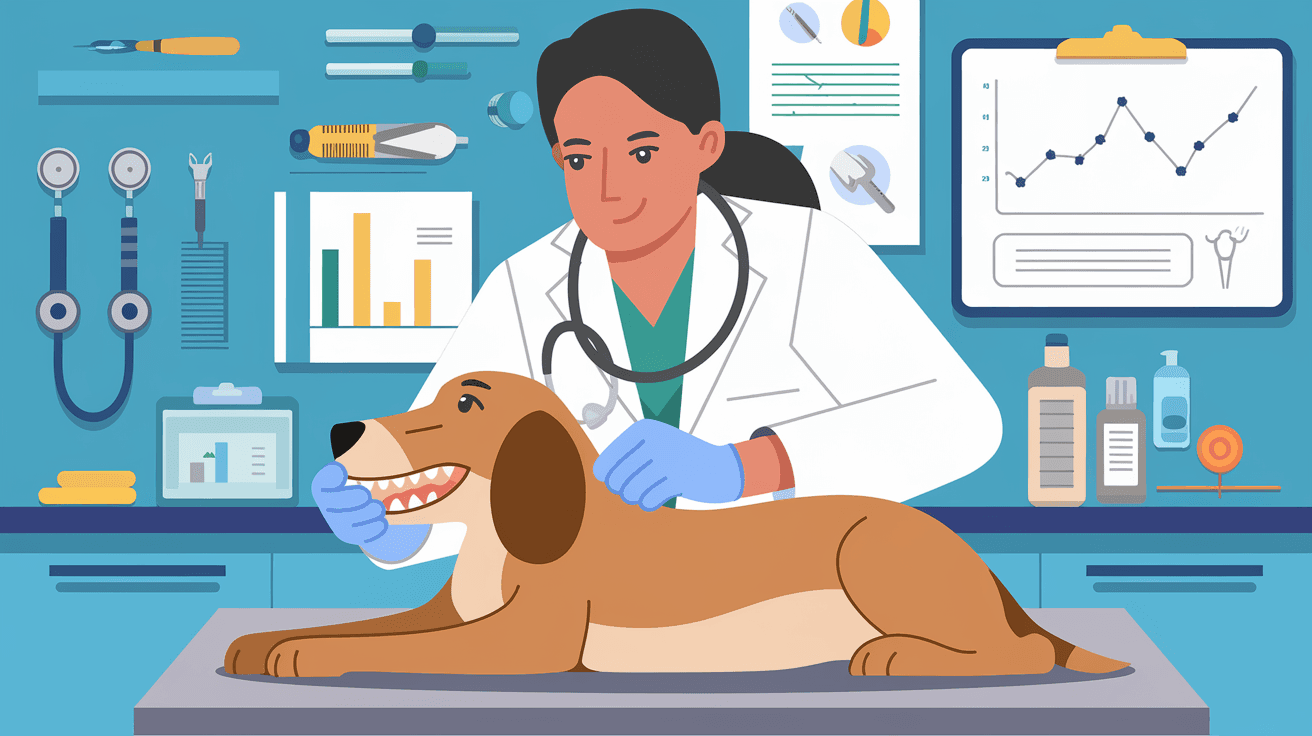
Becoming a veterinary doctor in India is a rewarding career choice if you love animals and want to contribute to their health and well-being. You might be wondering how to start this journey, what qualifications you need, and what the career path looks like. This guide will help you understand the steps clearly so you can plan your future confidently.
We will walk through the education requirements, entrance exams, and career opportunities in veterinary science. Whether you are a student just finishing school or someone considering a career change, this article will give you a clear roadmap to becoming a veterinary doctor in India.
A veterinary doctor, or veterinarian, is a medical professional who diagnoses and treats diseases in animals. They work with pets, livestock, and sometimes wildlife. Their job involves:
Veterinarians play a crucial role in public health by controlling zoonotic diseases (those that spread from animals to humans). This makes the profession both challenging and important.
To become a veterinary doctor in India, you need to follow a specific educational path. The main degree required is the Bachelor of Veterinary Science and Animal Husbandry (B.V.Sc & A.H).
Admission to veterinary colleges in India is mostly through entrance exams. These exams test your knowledge of science subjects and sometimes general aptitude.
Choosing the right college is important for your education and career growth. Some of the top veterinary colleges in India include:
| College Name | Location | Notable Features |
| Indian Veterinary Research Institute (IVRI) | Bareilly, UP | Premier research institute with advanced facilities |
| Tamil Nadu Veterinary and Animal Sciences University (TANUVAS) | Chennai, Tamil Nadu | Offers diverse programs and strong industry connections |
| College of Veterinary Science, Punjab Agricultural University | Ludhiana, Punjab | Known for quality teaching and research |
| Bombay Veterinary College | Mumbai, Maharashtra | One of the oldest veterinary colleges in India |
| Rajasthan University of Veterinary and Animal Sciences | Bikaner, Rajasthan | Focus on livestock health and rural development |
Once you complete your B.V.Sc & A.H degree and internship, many career paths open up for you.
After completing your degree, you must register with the Veterinary Council of India (VCI) or the respective State Veterinary Council to practice legally.
Registration ensures you are recognized as a qualified veterinary professional and can legally treat animals.
Becoming a veterinary doctor requires dedication and passion. Here are some tips to help you succeed:
Like any profession, veterinary medicine has its challenges. You may face emotional stress dealing with sick animals or difficult cases. The work can be physically demanding and sometimes requires working odd hours.
However, the rewards are immense. Helping animals recover, contributing to public health, and working in a respected profession bring great satisfaction. The demand for veterinary doctors is growing in India due to increased awareness of animal health and rising pet ownership.
If you love animals and want a meaningful career, becoming a veterinary doctor in India is a great choice. The path involves completing your 10+2 education with science subjects, clearing entrance exams like NEET, and earning a B.V.Sc & A.H degree. After that, you can explore various career options in clinical practice, government jobs, research, and industry.
Remember to register with the Veterinary Council to practice legally. With dedication and continuous learning, you can build a successful and fulfilling career in veterinary medicine. Start preparing today, and you’ll be on your way to making a positive impact on animal health and welfare.
You need to complete 10+2 with Physics, Chemistry, and Biology, followed by a Bachelor of Veterinary Science and Animal Husbandry (B.V.Sc & A.H) degree.
The National Eligibility cum Entrance Test (NEET-UG) is the main exam for admission to veterinary courses across India.
The course duration is 5.5 years, including a 6-month compulsory internship.
Yes, you can pursue postgraduate studies like M.V.Sc or Ph.D. to specialize in fields such as surgery, pathology, or animal nutrition.
Yes, registration with the Veterinary Council of India or the respective State Council is required to legally practice as a veterinary doctor.