

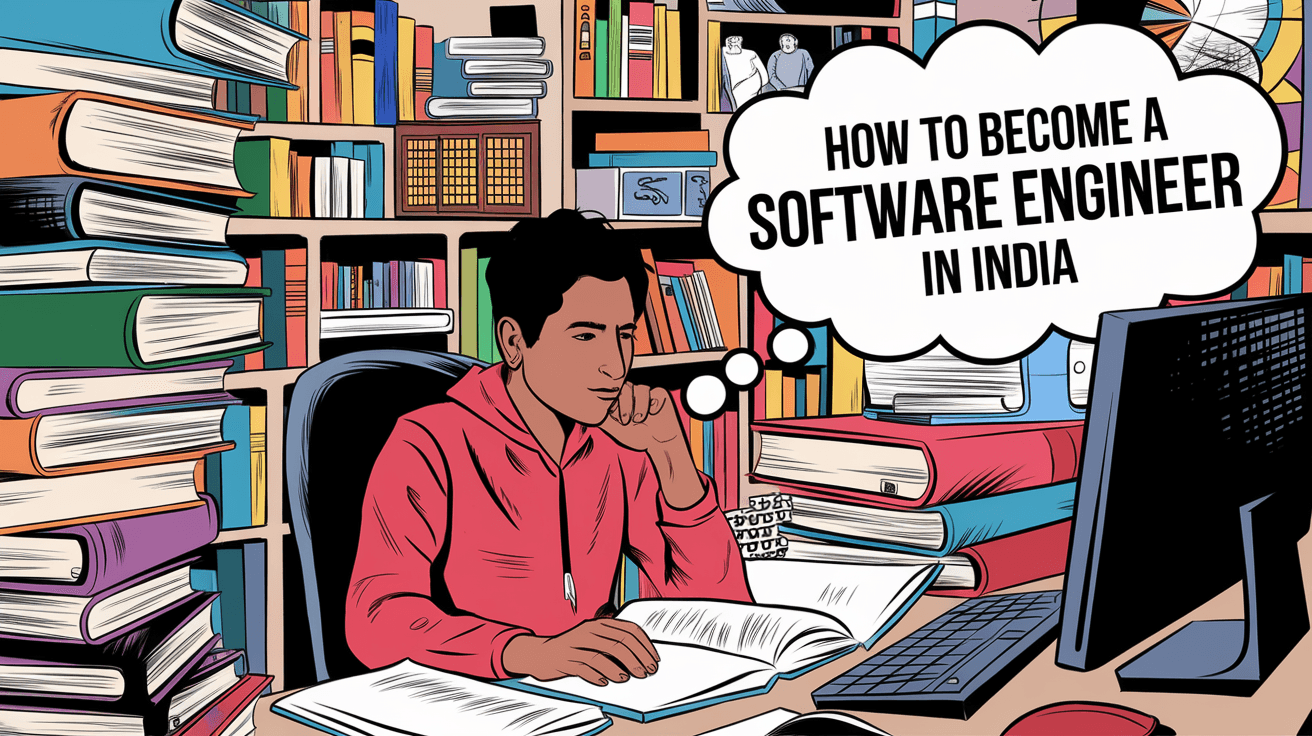
How to Become a Software Engineer in India
F
Discover verified facts, data, and insights about India’s states, culture, economy, education, and more — all in one place at FactBharat.
Search for a command to run...
Discover verified facts, data, and insights about India’s states, culture, economy, education, and more — all in one place at FactBharat.
No comments yet. Be the first to comment.
Moving to the USA from India is a dream for many. Whether you want to study, work, or live with family, the process can seem complex. But with the right information, you can plan your move confidently. I’ll guide you through the key steps and options...
Opening a college in India is a dream for many educators and entrepreneurs who want to contribute to the country’s education sector. If you are one of those who want to start a college, you need to understand the process clearly. It involves several ...
Opening a hospital in India is a significant and rewarding venture. If you’ve ever wondered how to start one, you’re in the right place. Whether you’re a healthcare professional, entrepreneur, or investor, understanding the process is crucial. You’ll...
Opening a medical store in India can be a rewarding business opportunity. You get to serve your community by providing essential medicines and healthcare products. If you are thinking about starting a medical store, you might wonder where to begin an...
Opening a restaurant in India can be an exciting and rewarding venture. Whether you dream of serving traditional Indian dishes or international cuisine, the process involves careful planning and understanding of local regulations. If you’re ready to ...
FactBharat | Insights About India
2558 posts
Discover verified facts, data, and insights about India’s states, culture, economy, education, and more — all in one place at FactBharat.
Becoming a software engineer in India is a popular and rewarding career choice. If you’re interested in technology and problem-solving, this path can open many doors. You might wonder where to start, what skills to learn, and how to get noticed by top companies. I’ll guide you through the essential steps to become a software engineer in India.
Whether you’re a student planning your future or someone looking to switch careers, this article will help you understand the education, skills, and certifications needed. You’ll also learn about job opportunities and how to grow in this fast-paced field. Let’s dive into the journey of becoming a software engineer in India.
Education is the first step on your software engineering journey. Most software engineers in India start with a formal degree. Here’s how you can approach it:
Many top Indian institutes like the Indian Institutes of Technology (IITs), National Institutes of Technology (NITs), and private universities offer excellent programs. Admission is competitive, often requiring success in exams like JEE or state-level entrance tests.
Having the right skills is crucial to succeed. Here are the core skills you should focus on:
You can learn these skills through your college curriculum, online courses, coding bootcamps, or self-study.
Certifications can make your resume stand out. Many Indian companies value recognized certifications that prove your expertise. Some popular options include:
These certifications show employers that you’re committed to learning and staying updated with technology trends.
Theory alone won’t make you a great software engineer. Practical experience is key. Here’s how you can gain it:
Practical experience helps you understand workplace dynamics and improves your problem-solving abilities.
Once you have the education and skills, it’s time to find a job. Here are some tips for your job search:
Indian tech giants like TCS, Infosys, Wipro, and startups in Bengaluru, Hyderabad, and Pune offer many opportunities.
Software engineering offers many paths for growth. After gaining experience, you can specialize or move into leadership roles. Some popular specializations include:
With experience, you can also become a team lead, project manager, or technical consultant. Continuous learning is essential to keep up with new technologies.
The software engineering field is competitive and fast-changing. Here are some challenges you might face and how to overcome them:
Stay motivated, network actively, and keep improving your skills to succeed.
Becoming a software engineer in India requires a mix of education, skills, and practical experience. You can start with a relevant degree, learn essential programming and problem-solving skills, and earn certifications to boost your profile. Gaining hands-on experience through internships and projects is crucial to stand out.
The job market is competitive but full of opportunities if you prepare well. Keep learning and exploring different specializations to grow your career. With dedication and the right approach, you can build a successful and fulfilling career as a software engineer in India.
A Bachelor’s degree in Computer Science or Information Technology is the most common and preferred degree for software engineering jobs in India.
Yes, it’s possible by learning programming skills through online courses, coding bootcamps, and gaining practical experience, but a degree often helps in getting interviews.
Start with popular languages like Java, Python, or C++. These are widely used and have many learning resources available.
Internships provide real-world experience, improve your skills, and make your resume stronger, increasing your chances of getting a job.
Platforms like Coursera, Udemy, edX, and freeCodeCamp offer quality courses on programming, data structures, algorithms, and more.