

How to Become a Lawyer in India After 12th
F
Discover verified facts, data, and insights about India’s states, culture, economy, education, and more — all in one place at FactBharat.
Search for a command to run...
Discover verified facts, data, and insights about India’s states, culture, economy, education, and more — all in one place at FactBharat.
No comments yet. Be the first to comment.
Moving to the USA from India is a dream for many. Whether you want to study, work, or live with family, the process can seem complex. But with the right information, you can plan your move confidently. I’ll guide you through the key steps and options...
Opening a college in India is a dream for many educators and entrepreneurs who want to contribute to the country’s education sector. If you are one of those who want to start a college, you need to understand the process clearly. It involves several ...
Opening a hospital in India is a significant and rewarding venture. If you’ve ever wondered how to start one, you’re in the right place. Whether you’re a healthcare professional, entrepreneur, or investor, understanding the process is crucial. You’ll...
Opening a medical store in India can be a rewarding business opportunity. You get to serve your community by providing essential medicines and healthcare products. If you are thinking about starting a medical store, you might wonder where to begin an...
Opening a restaurant in India can be an exciting and rewarding venture. Whether you dream of serving traditional Indian dishes or international cuisine, the process involves careful planning and understanding of local regulations. If you’re ready to ...
FactBharat | Insights About India
2558 posts
Discover verified facts, data, and insights about India’s states, culture, economy, education, and more — all in one place at FactBharat.
Becoming a lawyer in India is a dream for many students right after completing their 12th standard. If you are one of those who want to pursue law as a career, you might wonder about the right path to take. The good news is that India offers clear routes to enter the legal profession directly after 12th, without needing to complete a separate undergraduate degree first.
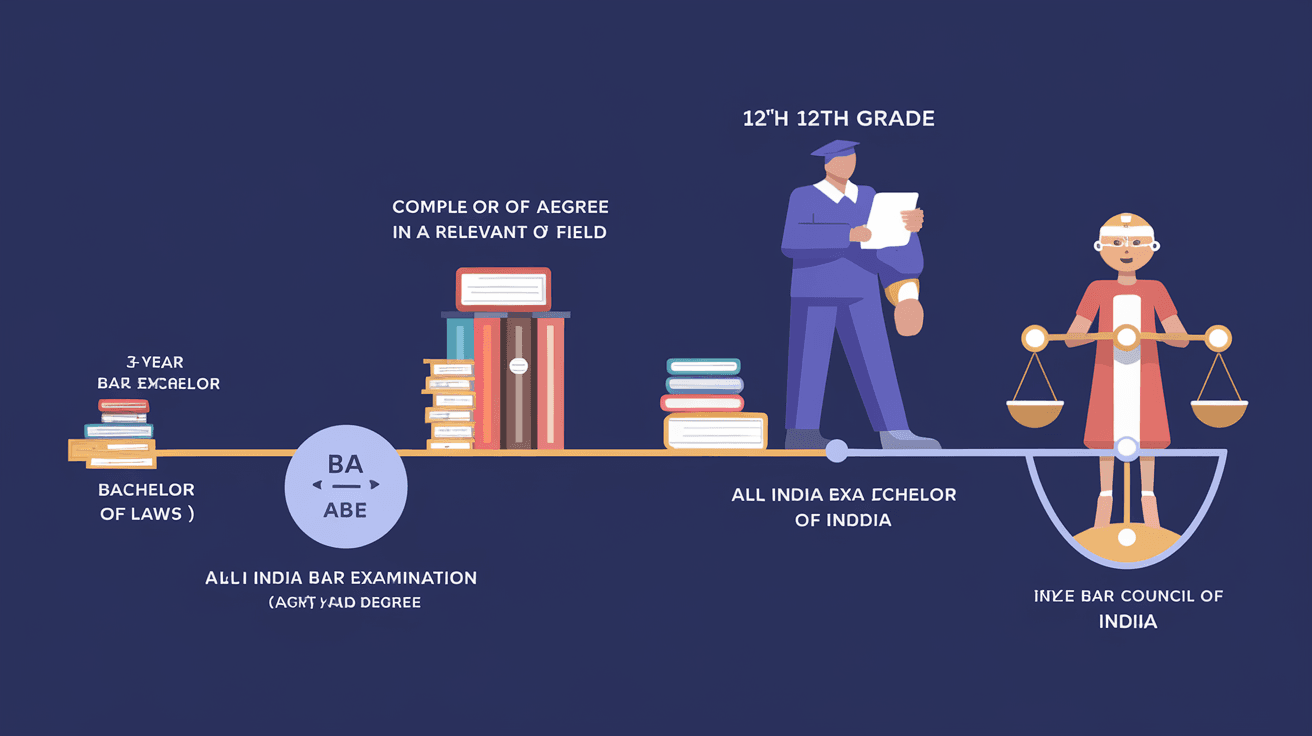
In this article, I will guide you through the step-by-step process of becoming a lawyer in India after 12th. You will learn about the courses available, entrance exams, and what to expect during your legal education. By the end, you will have a clear roadmap to start your journey toward a successful law career.
Before diving into the steps, it’s important to understand how legal education works in India. There are two main routes to becoming a lawyer:
Since you want to start right after 12th, the 5-year integrated course is your best option. This course is designed to give you both a bachelor's degree and a law degree (LLB) in five years.
After 12th, you can enroll in a 5-year integrated law program. Some common integrated courses include:
Each course combines law studies with another discipline, so choose one that interests you. For example, if you like business, BBA LLB might be a good fit.
Admission to 5-year law courses is mostly through entrance exams. The most popular exams are:
Once you clear the entrance exam, you can apply to law colleges. Here’s what you should keep in mind:
The Bar Council of India is the regulatory body that approves law colleges and courses. Studying in a BCI-approved college is essential to practice law later.
During your 5-year integrated course, you will study subjects like:
You will also get practical exposure through moot courts, internships, and seminars. These activities help you develop skills needed for a legal career.
After completing your law degree, you must register with the Bar Council of India or your State Bar Council. This registration allows you to practice law in India.
The AIBE is a mandatory exam conducted by the Bar Council of India. It tests your basic knowledge of law and ethics. Passing this exam grants you the “Certificate of Practice,” which lets you practice as a lawyer anywhere in India.
Once you have your Certificate of Practice, you can start working as a lawyer. Here are some career options:
Becoming a lawyer requires dedication and hard work. Some challenges you might face include:
If you want to become a lawyer in India after 12th, the 5-year integrated law course is your best path. Start by preparing for entrance exams like CLAT or LSAT India, then choose a BCI-approved college. After completing your degree, register with the Bar Council and pass the AIBE to practice law.
Remember, becoming a successful lawyer takes passion, patience, and continuous learning. With the right guidance and effort, you can build a rewarding career in law and make a positive impact on society.
It takes 5 years to complete the integrated law course after 12th, plus passing the All India Bar Examination to start practicing.
Yes, many private colleges accept other entrance exams like LSAT India or have their own admission process.
Yes, a law degree from a Bar Council of India-approved college is mandatory to register and practice law.
You must have completed 12th standard from a recognized board with at least 45-50% marks, depending on the college.
Yes, many colleges offer electives and specializations in areas like corporate law, criminal law, or intellectual property law.