

How to Become a College Professor in India
F
Discover verified facts, data, and insights about India’s states, culture, economy, education, and more — all in one place at FactBharat.
Search for a command to run...
Discover verified facts, data, and insights about India’s states, culture, economy, education, and more — all in one place at FactBharat.
No comments yet. Be the first to comment.
Moving to the USA from India is a dream for many. Whether you want to study, work, or live with family, the process can seem complex. But with the right information, you can plan your move confidently. I’ll guide you through the key steps and options...
Opening a college in India is a dream for many educators and entrepreneurs who want to contribute to the country’s education sector. If you are one of those who want to start a college, you need to understand the process clearly. It involves several ...
Opening a hospital in India is a significant and rewarding venture. If you’ve ever wondered how to start one, you’re in the right place. Whether you’re a healthcare professional, entrepreneur, or investor, understanding the process is crucial. You’ll...
Opening a medical store in India can be a rewarding business opportunity. You get to serve your community by providing essential medicines and healthcare products. If you are thinking about starting a medical store, you might wonder where to begin an...
Opening a restaurant in India can be an exciting and rewarding venture. Whether you dream of serving traditional Indian dishes or international cuisine, the process involves careful planning and understanding of local regulations. If you’re ready to ...
FactBharat | Insights About India
2558 posts
Discover verified facts, data, and insights about India’s states, culture, economy, education, and more — all in one place at FactBharat.
Becoming a college professor in India is a rewarding career path for those passionate about teaching and research. If you love sharing knowledge and want to contribute to higher education, this guide will help you understand the steps involved. Whether you are a student planning your future or a professional considering a career change, you’ll find useful information here.
In this article, I’ll walk you through the educational qualifications, entrance exams, and career tips you need to become a college professor in India. You’ll also learn about the different types of colleges, recruitment processes, and how to grow in this profession. Let’s dive in and explore how you can achieve your goal of becoming a respected college professor.
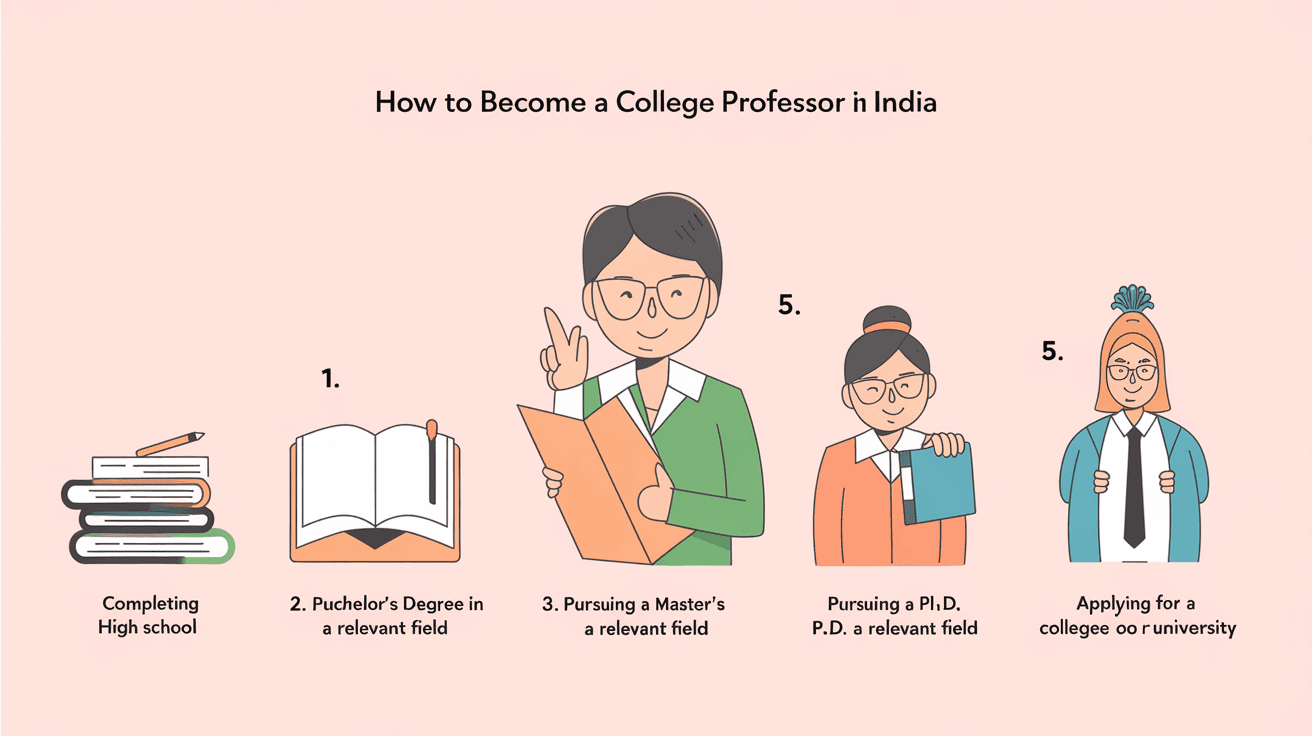
To become a college professor in India, your educational background is the foundation. The minimum qualification is usually a postgraduate degree in the subject you want to teach. Here’s what you need to know:
A Ph.D. shows your ability to conduct research and contribute new knowledge to your field. It also improves your chances of getting promotions and better pay. If you plan to work in universities or research institutes, a Ph.D. is often essential.
After completing your Master’s degree, the next step is to clear eligibility exams. These tests ensure you meet the standards required to teach at the college level.
In India, colleges are broadly categorized into government, private, and deemed universities. The recruitment process varies slightly for each.
If you want to become a college professor, here’s a step-by-step guide to applying for jobs:
Being a college professor is not just about qualifications. You also need certain skills and qualities to succeed:
Once you become a college professor, many opportunities for growth open up:
Like any career, being a college professor has challenges:
Becoming a college professor in India is a fulfilling journey that combines education, exams, and dedication. By completing your Master’s degree, clearing NET or SET, and possibly earning a Ph.D., you set a strong foundation. Understanding the recruitment process and developing key skills will help you succeed in this respected profession.
Whether you aim to teach in government or private colleges, your passion for learning and teaching will guide you. Keep growing through research and continuous learning, and you’ll enjoy a rewarding career shaping the minds of future generations.
You need a Master’s degree with at least 55% marks and must clear the NET or SET exam to be eligible for most college professor positions.
A Ph.D. is not always mandatory but highly recommended, especially for permanent or senior roles in universities and research-focused institutions.
NET is a national-level exam conducted by UGC, while SET is a state-level exam. Both qualify candidates for college teaching jobs in their respective areas.
In some private colleges, you may be hired without NET/SET, but most government and reputed institutions require these qualifications.
Pursue a Ph.D., gain teaching or research experience, publish papers, and prepare well for interviews to enhance your job prospects.