

How to Beat Inflation in India
F
Discover verified facts, data, and insights about India’s states, culture, economy, education, and more — all in one place at FactBharat.
Search for a command to run...
Discover verified facts, data, and insights about India’s states, culture, economy, education, and more — all in one place at FactBharat.
No comments yet. Be the first to comment.
Moving to the USA from India is a dream for many. Whether you want to study, work, or live with family, the process can seem complex. But with the right information, you can plan your move confidently. I’ll guide you through the key steps and options...
Opening a college in India is a dream for many educators and entrepreneurs who want to contribute to the country’s education sector. If you are one of those who want to start a college, you need to understand the process clearly. It involves several ...
Opening a hospital in India is a significant and rewarding venture. If you’ve ever wondered how to start one, you’re in the right place. Whether you’re a healthcare professional, entrepreneur, or investor, understanding the process is crucial. You’ll...
Opening a medical store in India can be a rewarding business opportunity. You get to serve your community by providing essential medicines and healthcare products. If you are thinking about starting a medical store, you might wonder where to begin an...
Opening a restaurant in India can be an exciting and rewarding venture. Whether you dream of serving traditional Indian dishes or international cuisine, the process involves careful planning and understanding of local regulations. If you’re ready to ...
FactBharat | Insights About India
2558 posts
Discover verified facts, data, and insights about India’s states, culture, economy, education, and more — all in one place at FactBharat.
Inflation in India has been a growing concern for many people. You might have noticed prices rising for everyday items like food, fuel, and housing. This can make it harder to save money or maintain your lifestyle. But don’t worry, there are ways you can protect yourself from inflation and even grow your wealth.
In this article, I’ll walk you through practical steps to beat inflation in India. From smart investments to budgeting tips, you’ll learn how to keep your money safe and make it work harder for you. Let’s dive in and explore how you can stay ahead of rising prices.
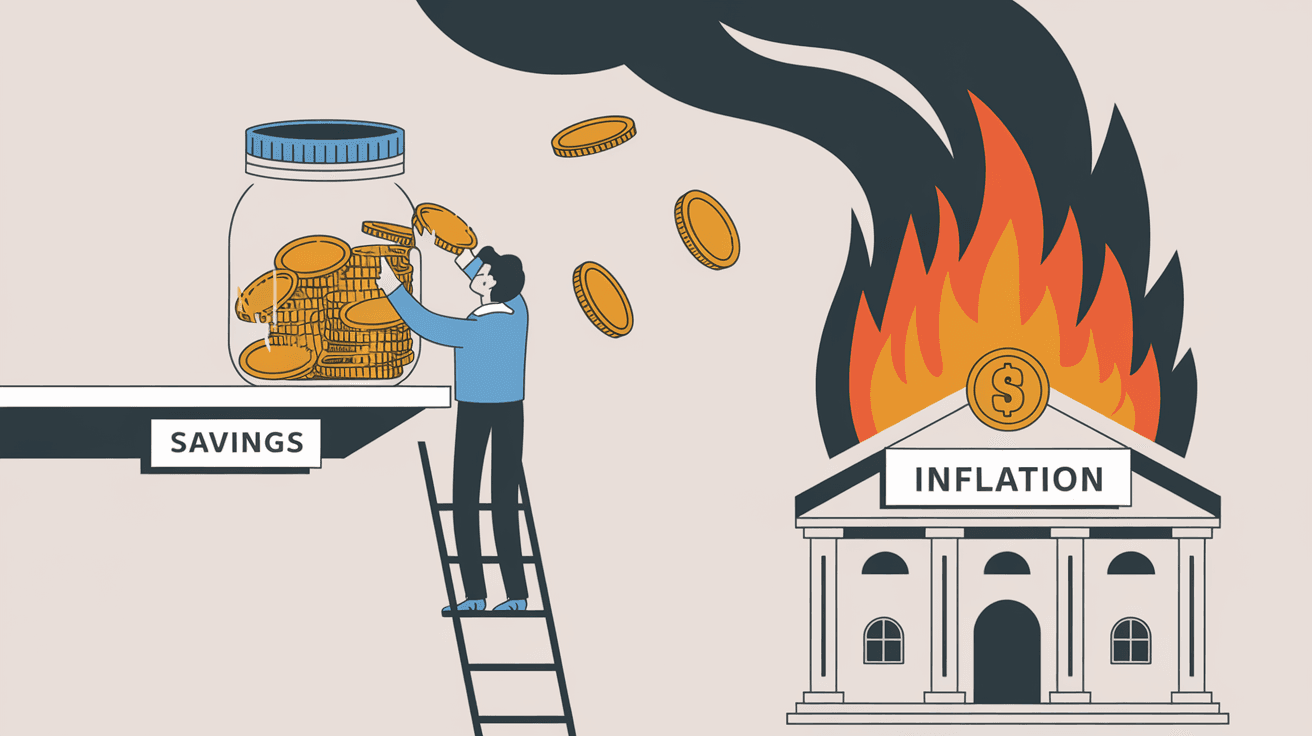
Inflation means the general rise in prices of goods and services over time. In India, inflation is measured by the Consumer Price Index (CPI), which tracks the cost of a basket of everyday items. When inflation is high, your money loses value because you need more rupees to buy the same things.
India’s inflation rate has fluctuated in recent years, sometimes reaching above 6%. This affects everyone, especially those with fixed incomes or savings in low-interest accounts. Understanding inflation helps you make better financial decisions.
Knowing this, you can plan to protect your money from losing value.
If your money doesn’t grow faster than inflation, you lose wealth over time. For example, if inflation is 6% but your savings earn only 4%, your real return is negative. This means your money buys less in the future.
Beating inflation is important because:
By investing wisely and managing expenses, you can stay ahead of inflation and secure your financial future.
Investing is one of the best ways to beat inflation in India. Here are some popular options that typically offer returns above inflation:
Equities have historically provided higher returns than inflation over the long term. Mutual funds allow you to invest in a diversified portfolio managed by experts.
PPF is a government-backed savings scheme with tax benefits. It offers a fixed interest rate that is reviewed quarterly but generally stays above inflation.
Property investments can appreciate over time and provide rental income. Real estate often keeps pace with inflation, especially in growing cities.
Gold is a traditional hedge against inflation in India. It tends to hold value during economic uncertainty.
The government issues bonds linked to inflation, such as Inflation-Indexed National Savings Securities.
Beating inflation isn’t just about investing; managing your expenses is equally important. Here’s how you can control your spending:
By controlling your budget, you reduce the impact of rising prices on your daily life.
An emergency fund is crucial during inflationary times. It ensures you have cash ready for unexpected expenses without dipping into investments.
Having this safety net gives you peace of mind and financial stability.
India offers several tax-saving instruments that also help beat inflation by increasing your net returns.
These strategies help you save more money and grow your wealth faster.
Inflation is influenced by many factors like government policies, global markets, and supply chain issues. Staying informed helps you adjust your strategies.
Being proactive lets you make timely decisions to protect your finances.
Some mistakes can worsen the impact of inflation on your money. Watch out for:
Avoiding these traps helps you maintain financial health.
Technology can simplify beating inflation by helping you track, invest, and save efficiently.
These tools make managing your money easier and more effective.
Inflation affects your long-term goals like buying a home, children’s education, or retirement. Planning ahead is key.
This approach ensures you stay on track despite rising prices.
Beating inflation in India requires a mix of smart investing, careful budgeting, and staying informed. By choosing the right investment options like equities, PPF, and real estate, you can grow your money faster than inflation. Managing your expenses and building an emergency fund also protect you from financial shocks.
Remember, inflation is a challenge but not unbeatable. With the right strategies, you can secure your financial future and maintain your lifestyle. Start today by reviewing your finances and making small changes that add up over time.
Invest in assets that typically outpace inflation, such as equity mutual funds, PPF, or real estate. Avoid keeping large sums in low-interest savings accounts.
Yes, gold is a traditional hedge against inflation in India. It helps diversify your portfolio and preserve value during economic uncertainty.
Government-backed schemes like PPF and inflation-indexed bonds offer safety and returns that usually beat inflation over time.
Aim for 6 to 12 months of living expenses in a liquid account to cover unexpected costs without selling investments.
Absolutely. Tracking expenses and cutting unnecessary costs help you control the impact of rising prices on your daily life.