

How to Be a Neurosurgeon in India
F
Discover verified facts, data, and insights about India’s states, culture, economy, education, and more — all in one place at FactBharat.
Search for a command to run...
Discover verified facts, data, and insights about India’s states, culture, economy, education, and more — all in one place at FactBharat.
No comments yet. Be the first to comment.
Moving to the USA from India is a dream for many. Whether you want to study, work, or live with family, the process can seem complex. But with the right information, you can plan your move confidently. I’ll guide you through the key steps and options...
Opening a college in India is a dream for many educators and entrepreneurs who want to contribute to the country’s education sector. If you are one of those who want to start a college, you need to understand the process clearly. It involves several ...
Opening a hospital in India is a significant and rewarding venture. If you’ve ever wondered how to start one, you’re in the right place. Whether you’re a healthcare professional, entrepreneur, or investor, understanding the process is crucial. You’ll...
Opening a medical store in India can be a rewarding business opportunity. You get to serve your community by providing essential medicines and healthcare products. If you are thinking about starting a medical store, you might wonder where to begin an...
Opening a restaurant in India can be an exciting and rewarding venture. Whether you dream of serving traditional Indian dishes or international cuisine, the process involves careful planning and understanding of local regulations. If you’re ready to ...
FactBharat | Insights About India
2558 posts
Discover verified facts, data, and insights about India’s states, culture, economy, education, and more — all in one place at FactBharat.
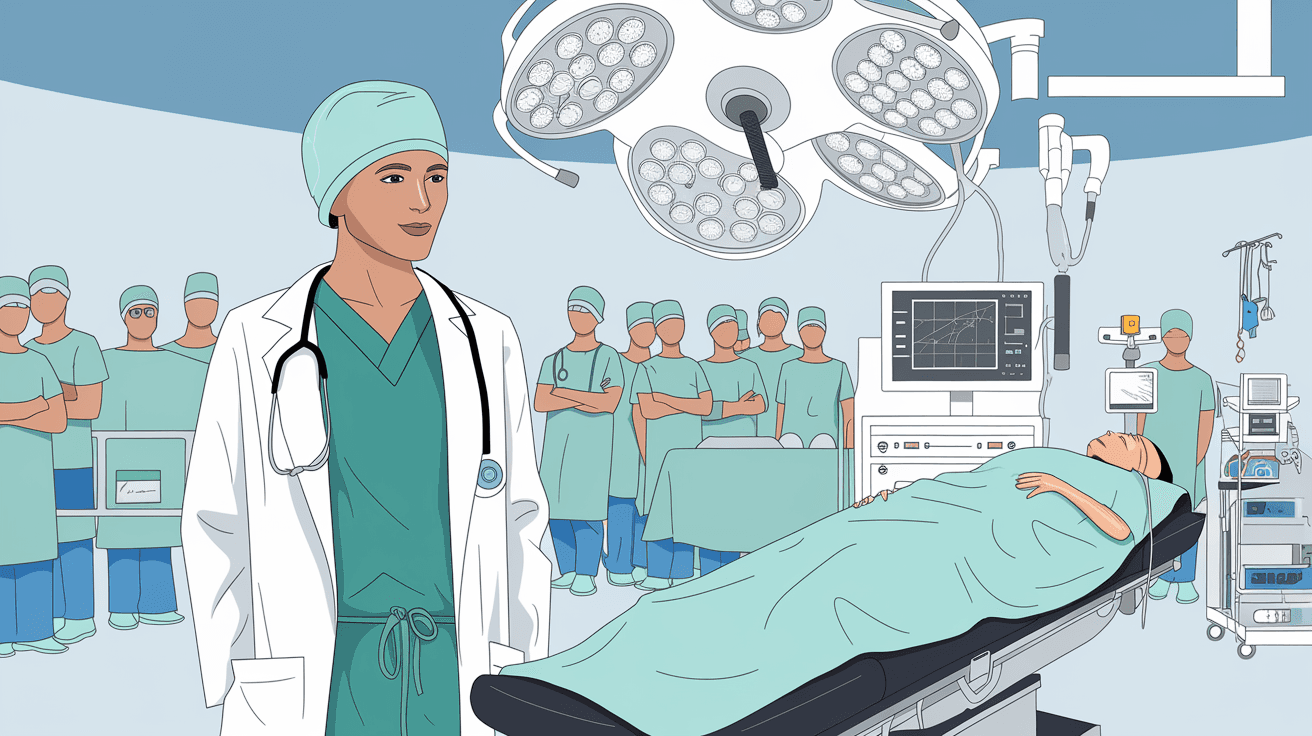
Becoming a neurosurgeon in India is a challenging but rewarding journey. If you are passionate about brain and nervous system health, this career offers you the chance to make a real difference. You might wonder what steps you need to take, how long it will take, and what qualifications are required. I’m here to guide you through the entire process.
In this article, we will explore the educational path, entrance exams, training, and career options for aspiring neurosurgeons in India. Whether you are a student planning your future or someone considering a career change, you will find clear, practical advice to help you achieve your goal.
Neurosurgery is a specialized branch of medicine focused on diagnosing and treating disorders of the brain, spinal cord, and nervous system. It requires precision, patience, and deep knowledge of human anatomy.
Choosing neurosurgery means committing to years of study and training, but it also means joining a respected profession that saves lives and improves quality of life.
The journey to becoming a neurosurgeon starts with a solid foundation in medicine. Here’s the step-by-step educational path you need to follow:
Entrance exams are a critical part of your journey. Here’s a quick overview:
| Exam Name | Purpose | When to Appear | Duration of Course After Exam |
| NEET-UG | Admission to MBBS | After 12th grade | 5.5 years |
| NEET-PG | Admission to MS/DNB General Surgery | After MBBS | 3 years |
| MCh/DNB Entrance | Admission to Neurosurgery super-specialty | After MS/DNB General Surgery | 3 years |
Becoming a neurosurgeon is not just about academic qualifications. You also need certain personal qualities and skills:
Once you become a qualified neurosurgeon, many career paths open up:
Work hours can be long and unpredictable, especially in emergency cases. However, the job satisfaction from saving lives and improving patients’ health is immense.
If you want to become a neurosurgeon, here are some practical tips:
Becoming a neurosurgeon in India is a demanding but fulfilling career choice. You need to follow a clear educational path, starting from 12th-grade science, clearing competitive exams, and completing rigorous training. Along the way, developing the right skills and mindset is crucial.
If you are ready to commit to this journey, you will find many opportunities to grow professionally and personally. Neurosurgery allows you to make a real difference in people’s lives, and with dedication, you can achieve this respected and rewarding profession.
The total training takes about 11 to 12 years after 12th grade, including 5.5 years of MBBS, 3 years of MS or DNB General Surgery, and 3 years of MCh or DNB Neurosurgery.
Yes, NEET-UG is required for MBBS admission, and NEET-PG is mandatory for postgraduate courses like MS and super-specialty courses like MCh Neurosurgery.
No, you must first complete a postgraduate degree in General Surgery (MS or DNB) before specializing in neurosurgery.
Key skills include excellent hand-eye coordination, patience, emotional resilience, communication skills, and a strong commitment to learning.
Yes, neurosurgeons are in demand in government and private hospitals, research institutions, and abroad, offering good career growth and financial rewards.