

How to Be a Doctor in India
F
Discover verified facts, data, and insights about India’s states, culture, economy, education, and more — all in one place at FactBharat.
Search for a command to run...
Discover verified facts, data, and insights about India’s states, culture, economy, education, and more — all in one place at FactBharat.
No comments yet. Be the first to comment.
Moving to the USA from India is a dream for many. Whether you want to study, work, or live with family, the process can seem complex. But with the right information, you can plan your move confidently. I’ll guide you through the key steps and options...
Opening a college in India is a dream for many educators and entrepreneurs who want to contribute to the country’s education sector. If you are one of those who want to start a college, you need to understand the process clearly. It involves several ...
Opening a hospital in India is a significant and rewarding venture. If you’ve ever wondered how to start one, you’re in the right place. Whether you’re a healthcare professional, entrepreneur, or investor, understanding the process is crucial. You’ll...
Opening a medical store in India can be a rewarding business opportunity. You get to serve your community by providing essential medicines and healthcare products. If you are thinking about starting a medical store, you might wonder where to begin an...
Opening a restaurant in India can be an exciting and rewarding venture. Whether you dream of serving traditional Indian dishes or international cuisine, the process involves careful planning and understanding of local regulations. If you’re ready to ...
FactBharat | Insights About India
2558 posts
Discover verified facts, data, and insights about India’s states, culture, economy, education, and more — all in one place at FactBharat.
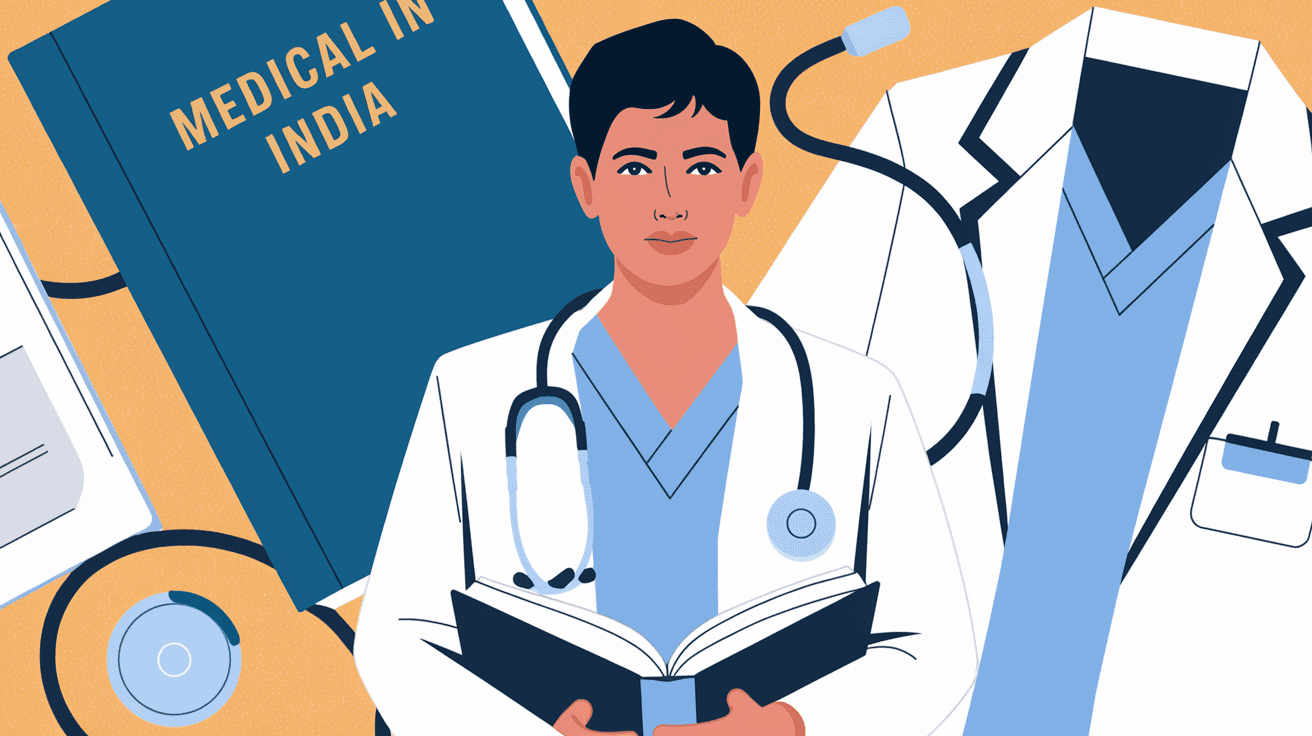
Becoming a doctor in India is a dream for many. You might be wondering how to start this journey and what steps you need to take. The path is challenging but rewarding, and with the right guidance, you can achieve your goal.
In this article, I will walk you through the entire process of becoming a doctor in India. From the educational requirements to licensing and career options, you will get a clear picture of what to expect and how to prepare yourself for this noble profession.
To become a doctor in India, you need to understand the structure of medical education. The journey starts after you complete your higher secondary education (12th grade) with science subjects.
Medical education in India is regulated by the National Medical Commission (NMC), which ensures quality and standards across colleges.
NEET is the single most important exam for aspiring doctors in India. It is conducted once a year and is highly competitive.
Your NEET score determines which medical colleges you can apply to, both government and private.
After clearing NEET, you must select a medical college. There are thousands of medical colleges in India, but the quality and fees vary widely.
Factors to consider when choosing a college:
Once admitted, your focus shifts to completing the MBBS course. The curriculum is divided into three phases:
During the course, you will attend lectures, practicals, and clinical rotations in hospitals. The one-year internship at the end is crucial for hands-on experience.
After completing MBBS and internship, you must register with the National Medical Commission or the respective State Medical Council to practice legally.
Without this registration, you cannot legally work as a doctor.
Many doctors choose to specialize after MBBS by pursuing postgraduate courses like MD (Doctor of Medicine) or MS (Master of Surgery).
You can also opt for diploma courses or super-specialty training after MD/MS.
Once you become a doctor, several career paths open up:
Doctors can also work abroad after clearing respective licensing exams.
The medical profession in India is demanding but fulfilling.
If you are passionate about helping others, the rewards outweigh the challenges.
Here are some practical tips to help you succeed:
Remember, becoming a doctor is a marathon, not a sprint.
Becoming a doctor in India requires dedication, hard work, and patience. You start with clearing NEET, then complete your MBBS, register with the medical council, and possibly pursue specialization. Each step is important and builds your foundation as a medical professional.
If you are committed to this path, you will find it rewarding both personally and professionally. The journey may be tough, but the chance to make a real difference in people’s lives makes it worthwhile.
You must have completed 12th grade with Physics, Chemistry, and Biology, and qualify NEET to apply for MBBS.
Typically, it takes 5.5 years for MBBS, including internship, plus 3 years if you pursue postgraduate studies.
Yes, NEET is mandatory for admission to all government, private, and deemed medical colleges.
You must complete your internship and register with the National Medical Commission to practice legally.
Popular specializations include cardiology, dermatology, orthopedics, pediatrics, and general surgery.