

How to Be a Commercial Pilot in India
F
Discover verified facts, data, and insights about India’s states, culture, economy, education, and more — all in one place at FactBharat.
Search for a command to run...
Discover verified facts, data, and insights about India’s states, culture, economy, education, and more — all in one place at FactBharat.
No comments yet. Be the first to comment.
Moving to the USA from India is a dream for many. Whether you want to study, work, or live with family, the process can seem complex. But with the right information, you can plan your move confidently. I’ll guide you through the key steps and options...
Opening a college in India is a dream for many educators and entrepreneurs who want to contribute to the country’s education sector. If you are one of those who want to start a college, you need to understand the process clearly. It involves several ...
Opening a hospital in India is a significant and rewarding venture. If you’ve ever wondered how to start one, you’re in the right place. Whether you’re a healthcare professional, entrepreneur, or investor, understanding the process is crucial. You’ll...
Opening a medical store in India can be a rewarding business opportunity. You get to serve your community by providing essential medicines and healthcare products. If you are thinking about starting a medical store, you might wonder where to begin an...
Opening a restaurant in India can be an exciting and rewarding venture. Whether you dream of serving traditional Indian dishes or international cuisine, the process involves careful planning and understanding of local regulations. If you’re ready to ...
FactBharat | Insights About India
2558 posts
Discover verified facts, data, and insights about India’s states, culture, economy, education, and more — all in one place at FactBharat.
Becoming a commercial pilot in India is a dream for many aviation enthusiasts. If you love flying and want to turn it into a career, you’re in the right place. I’ll guide you through the entire process, from eligibility to getting your commercial pilot license (CPL) and beyond.
You might wonder what it takes to become a commercial pilot in India. It’s not just about flying; it involves training, exams, and meeting strict requirements. But with the right information and dedication, you can achieve this goal. Let’s explore how you can start your journey to the skies.
Before you start training, you need to meet certain eligibility requirements. These rules ensure that only qualified candidates enter the aviation field.
Meeting these criteria is the first step. If you don’t have Physics and Mathematics in 12th grade, you might need to clear additional exams or take bridge courses before applying.
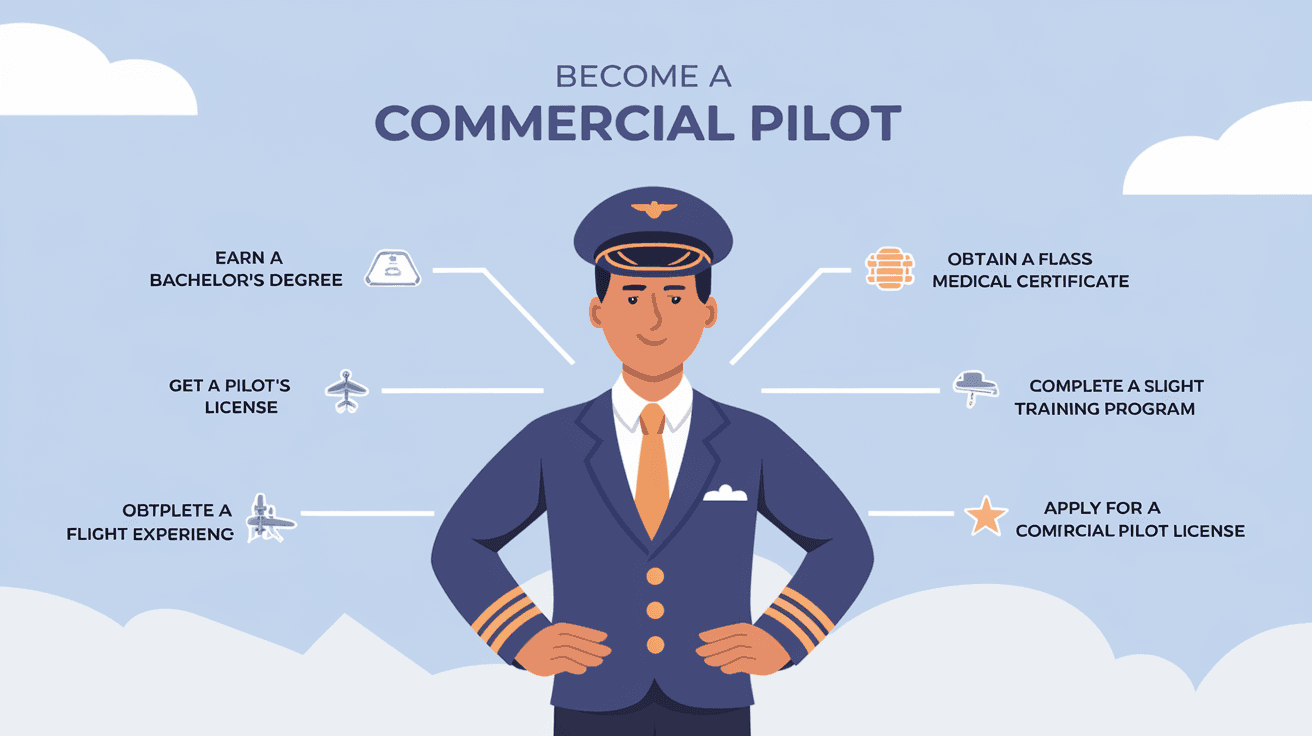
The path to becoming a commercial pilot involves several stages. Here’s a clear step-by-step guide:
The journey begins with an SPL, which allows you to start flying training under supervision.
After SPL, you train to get your PPL, which lets you fly solo and carry passengers but not for commercial purposes.
Once you have your PPL, you can start CPL training, which is more intensive.
You must maintain a Class 1 medical certificate throughout your career. This certificate ensures you meet health standards required for commercial flying.
Most airlines require pilots to have IR and MER qualifications.
These ratings require additional training and exams.
Selecting a good flying school is crucial. Here’s what to look for:
Popular flying schools in India include Indira Gandhi Institute of Aeronautics, Capt. Sahil Khurana Aviation Academy, and Capt. Sahil Khurana Aviation Academy.
DGCA conducts exams that test your knowledge and skills. These exams cover:
You need to pass these written exams before appearing for the flying test. Preparing well is essential, and many students use coaching classes or online resources.
Becoming a commercial pilot is a significant financial investment. Here’s a rough breakdown:
| Training Stage | Approximate Cost (INR) |
| SPL and PPL | 10-15 lakhs |
| CPL Training | 25-40 lakhs |
| Instrument & Multi-Engine Ratings | 5-10 lakhs |
| Medical and Exams | 1-2 lakhs |
Total costs can range from 40 to 60 lakhs INR or more. Many students seek loans, scholarships, or sponsorships to manage expenses.
Once you have your CPL, you can apply to airlines or charter companies. Here are some career paths:
The aviation industry in India is growing rapidly, with new airlines and routes opening up. This means more job opportunities for commercial pilots.
Becoming a pilot requires more than just training. Here are some tips to help you succeed:
Remember, flying is a responsibility. Safety and professionalism come first.
While the career is exciting, it has challenges:
Being aware of these challenges helps you prepare better.
India’s aviation sector is expected to grow significantly by 2030. The government’s UDAN scheme and increasing air travel demand will create more pilot jobs. Technology like electric aircraft and AI-assisted flying may change pilot roles but won’t replace the need for skilled pilots soon.
This means your career as a commercial pilot in India has strong growth potential.
Becoming a commercial pilot in India is a rewarding but demanding journey. You need to meet eligibility criteria, complete rigorous training, and pass DGCA exams. Choosing the right flying school and managing costs are important steps.
Once licensed, you can explore various career options in a growing aviation market. With dedication, fitness, and continuous learning, you can soar high as a professional pilot. If you’re passionate about flying, start planning your path today and take the first step toward your dream career.
You must be at least 17 years old to apply for a commercial pilot license in India.
Typically, it takes 1.5 to 3 years to complete all training and exams, depending on the flying school and your pace.
You need a Class 1 medical certificate, which includes vision, hearing, and overall health checks by a DGCA-approved doctor.
It’s difficult because Physics and Mathematics are mandatory for DGCA licensing. Some candidates take bridge courses or equivalent exams to qualify.
Training costs range from 40 to 60 lakhs INR, including flying hours, exams, and ratings. Costs vary by flying school and course duration.