

How to Apply for Work Visa in Canada from India
F
Discover verified facts, data, and insights about India’s states, culture, economy, education, and more — all in one place at FactBharat.
Search for a command to run...
Discover verified facts, data, and insights about India’s states, culture, economy, education, and more — all in one place at FactBharat.
No comments yet. Be the first to comment.
Moving to the USA from India is a dream for many. Whether you want to study, work, or live with family, the process can seem complex. But with the right information, you can plan your move confidently. I’ll guide you through the key steps and options...
Opening a college in India is a dream for many educators and entrepreneurs who want to contribute to the country’s education sector. If you are one of those who want to start a college, you need to understand the process clearly. It involves several ...
Opening a hospital in India is a significant and rewarding venture. If you’ve ever wondered how to start one, you’re in the right place. Whether you’re a healthcare professional, entrepreneur, or investor, understanding the process is crucial. You’ll...
Opening a medical store in India can be a rewarding business opportunity. You get to serve your community by providing essential medicines and healthcare products. If you are thinking about starting a medical store, you might wonder where to begin an...
Opening a restaurant in India can be an exciting and rewarding venture. Whether you dream of serving traditional Indian dishes or international cuisine, the process involves careful planning and understanding of local regulations. If you’re ready to ...
FactBharat | Insights About India
2558 posts
Discover verified facts, data, and insights about India’s states, culture, economy, education, and more — all in one place at FactBharat.
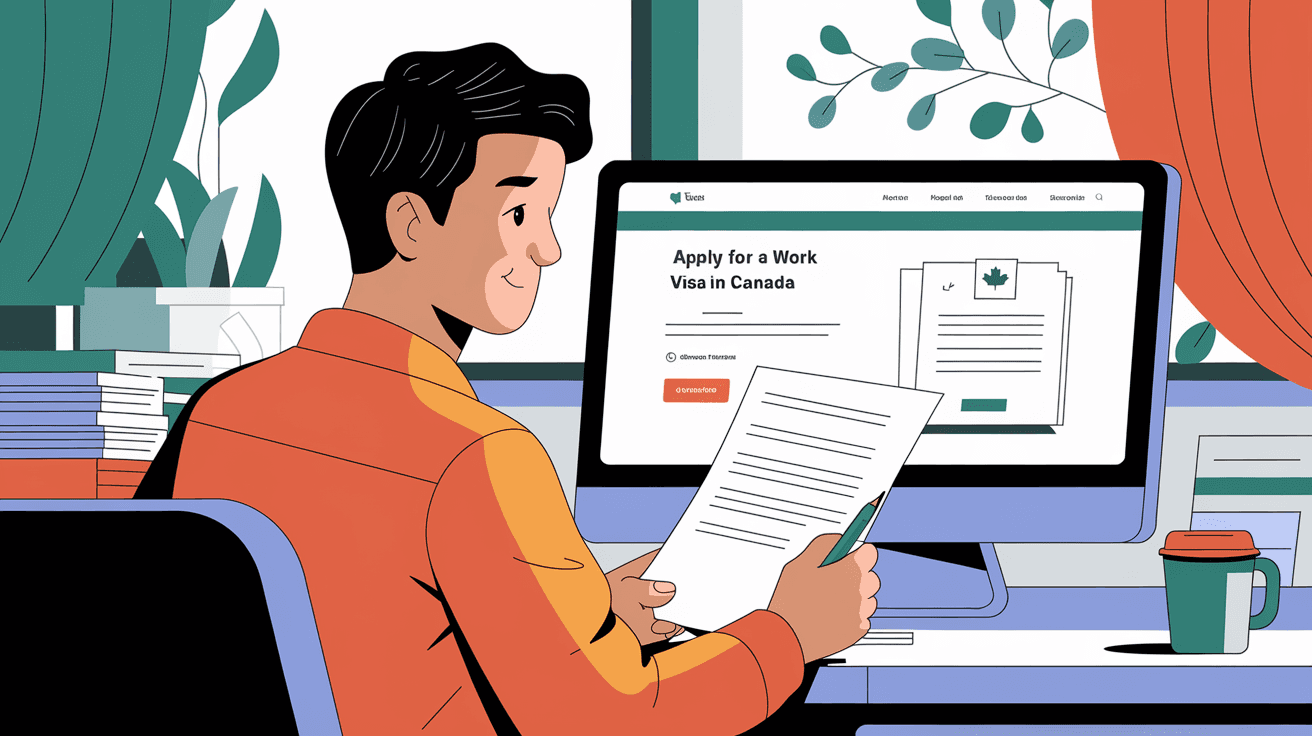
Applying for a work visa in Canada from India can feel overwhelming, but with the right guidance, you can navigate the process smoothly. Whether you want to explore new career opportunities or gain international work experience, Canada offers various pathways for Indian professionals. I’ll walk you through the essential steps, requirements, and tips to help you apply confidently.
You’ll learn about eligibility criteria, necessary documents, and how to submit your application online. By understanding the process clearly, you can avoid common mistakes and increase your chances of approval. Let’s dive into how you can start your journey to working in Canada from India.
Before applying, it’s important to know which work visa suits your situation. Canada offers several types of work permits, each with specific rules.
Most Indian applicants apply for a Temporary or Employer-Specific Work Permit. Knowing which one fits your case helps you prepare the right documents.
To apply for a Canadian work visa from India, you must meet certain eligibility requirements:
Meeting these criteria ensures your application is considered valid by Canadian immigration authorities.
Here’s a clear process to follow when applying for a Canadian work visa from India:
Your first step is securing a job offer. Employers in Canada must usually apply for an LMIA to confirm they need a foreign worker. Some jobs are exempt from LMIA, such as those under international agreements or intra-company transfers.
The employer applies for an LMIA through Employment and Social Development Canada (ESDC). This process can take several weeks. Once approved, the employer provides you with a copy of the LMIA and a detailed job offer letter.
Prepare all necessary documents before applying:
Create an account on the Immigration, Refugees and Citizenship Canada (IRCC) website. Upload your documents and fill out the application form carefully. Pay the application fees online.
After submitting your application, you’ll receive a request to provide biometrics (fingerprints and photo) at a Visa Application Centre (VAC) in India.
Processing times vary but typically take a few weeks to a few months. You can track your application status online.
If approved, you’ll get a Port of Entry (POE) Letter of Introduction. Show this to the immigration officer when you arrive in Canada to get your work permit.
Having all documents ready and accurate is crucial. Here’s a checklist to help you:
Double-check each document for accuracy and completeness to avoid delays.
Applying for a Canadian work visa can be competitive. Here are some tips to boost your chances:
Following these tips helps you avoid common pitfalls and strengthens your application.
Once you arrive in Canada with your work permit, here’s what you should know:
Being prepared helps you settle smoothly and make the most of your Canadian work experience.
Many applicants face challenges during the work visa process. Here are some common issues and solutions:
Addressing these challenges proactively can save time and reduce stress.
Applying for a Canadian work visa from India involves several steps, but with careful preparation, you can succeed. Start by securing a valid job offer and understanding the type of work permit you need. Gather all required documents, apply online through the IRCC portal, and follow up on your application status.
Remember to meet eligibility criteria, prepare for biometrics, and plan your arrival in Canada. By staying organized and informed, you’ll increase your chances of getting your work visa approved and enjoy a rewarding work experience in Canada.
Processing times vary but typically range from 4 to 12 weeks, depending on the type of work permit and the completeness of your application.
Yes, most applicants must prove English or French proficiency through tests like IELTS or TEF, especially for skilled jobs.
Yes, you can include your spouse and dependent children in your application. Your spouse may also be eligible for an open work permit.
LMIA is a Labour Market Impact Assessment that shows no Canadian worker is available for the job. It is usually required for employer-specific work permits.
Yes, you can apply to extend your work permit before it expires, provided you continue to meet eligibility requirements.