

How to Apply for Copyright in India
F
Discover verified facts, data, and insights about India’s states, culture, economy, education, and more — all in one place at FactBharat.
Search for a command to run...
Discover verified facts, data, and insights about India’s states, culture, economy, education, and more — all in one place at FactBharat.
No comments yet. Be the first to comment.
Moving to the USA from India is a dream for many. Whether you want to study, work, or live with family, the process can seem complex. But with the right information, you can plan your move confidently. I’ll guide you through the key steps and options...
Opening a college in India is a dream for many educators and entrepreneurs who want to contribute to the country’s education sector. If you are one of those who want to start a college, you need to understand the process clearly. It involves several ...
Opening a hospital in India is a significant and rewarding venture. If you’ve ever wondered how to start one, you’re in the right place. Whether you’re a healthcare professional, entrepreneur, or investor, understanding the process is crucial. You’ll...
Opening a medical store in India can be a rewarding business opportunity. You get to serve your community by providing essential medicines and healthcare products. If you are thinking about starting a medical store, you might wonder where to begin an...
Opening a restaurant in India can be an exciting and rewarding venture. Whether you dream of serving traditional Indian dishes or international cuisine, the process involves careful planning and understanding of local regulations. If you’re ready to ...
FactBharat | Insights About India
2558 posts
Discover verified facts, data, and insights about India’s states, culture, economy, education, and more — all in one place at FactBharat.
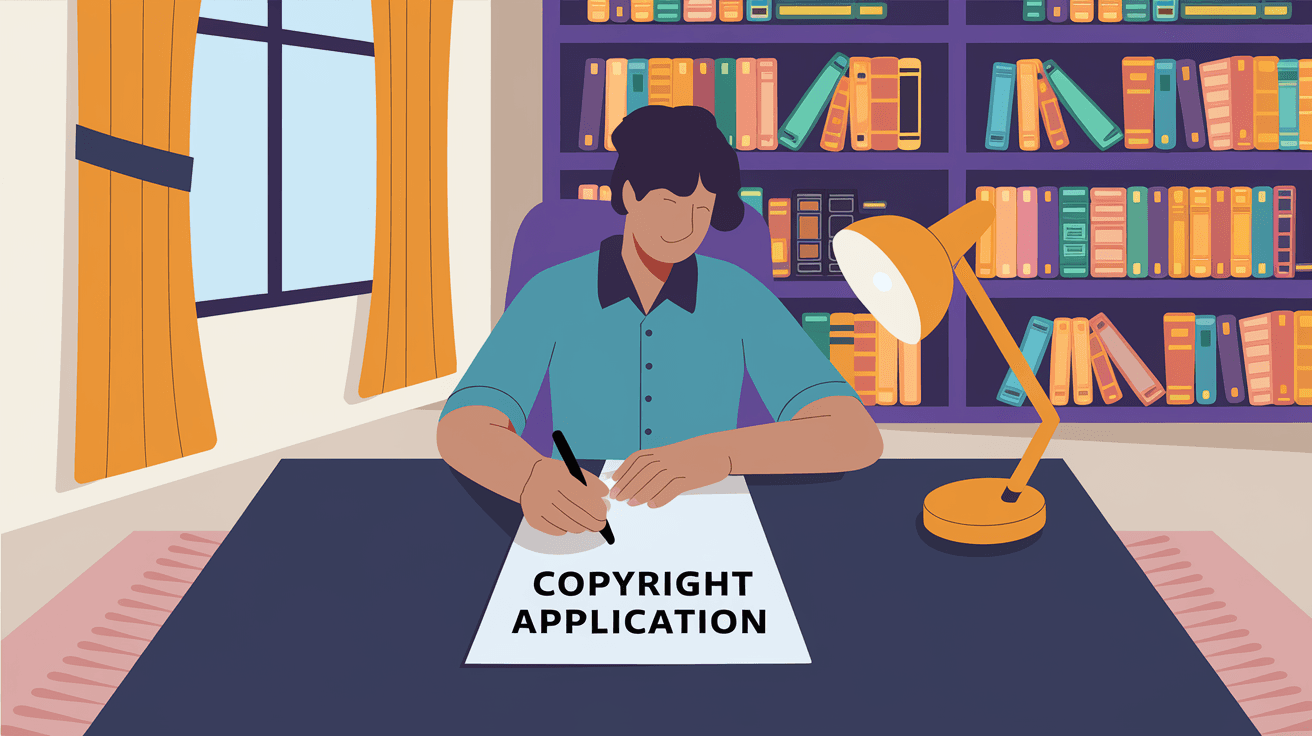
If you have created something original like a book, song, or artwork, protecting it is important. You might wonder how to apply for copyright in India to secure your rights. I’ll guide you through the process in simple steps so you can protect your creative work without hassle.
You don’t need to be a legal expert to understand copyright application. With the right information, you can confidently file your application and safeguard your intellectual property. Let’s explore how you can do this efficiently.
Copyright is a legal protection granted to creators of original works. It gives you exclusive rights to use, reproduce, and distribute your work. This means no one else can copy or sell your creation without your permission.
In India, copyright covers a wide range of works such as:
Having copyright helps you earn from your work and prevents unauthorized use. It also adds credibility and value to your creations.
Anyone who creates an original work can apply for copyright. This includes:
If you are the first owner or have legal rights to the work, you can file the application. Even if you have transferred rights, the current owner can apply.
Applying for copyright in India is straightforward if you follow these steps carefully.
First, determine the category your work falls into. This helps in filling the correct application form. The categories include:
You will need:
India’s Copyright Office offers an online portal for filing applications. You can also submit forms physically at the Copyright Office in Delhi or regional offices.
The fee varies depending on the type of work and applicant category (individual or company). For example:
| Type of Work | Individual Fee | Company Fee |
| Literary/Artistic Work | ₹500 | ₹5,000 |
| Cinematograph Film | ₹5,000 | ₹10,000 |
Fees can be paid online or via demand draft.
After filling the form and paying the fee, submit all documents either online or at the office. You will receive an acknowledgment with a diary number.
The office examines your application for completeness and originality. If there are issues, they may send you an examination report asking for clarifications.
Once accepted, your work is published in the Copyright Journal. This allows others to raise objections within 30 days if they believe your claim is invalid.
If no objections arise or are resolved, the Copyright Office issues a registration certificate. This certificate is proof of your copyright ownership.
Applying for copyright can be simple if you keep these tips in mind:
Sometimes, applicants face issues like incomplete forms, missing documents, or objections. Here’s how to handle them:
The entire process usually takes between 6 to 12 months. Online applications tend to be faster. Delays can occur if objections arise or if documents are incomplete.
You can track your application status online using the diary number provided at submission.
Registering your copyright offers several advantages:
Even though copyright exists automatically upon creation, registration strengthens your rights.
The cost depends on the type of work and applicant status. Here’s a quick overview:
| Applicant Type | Fee Range (INR) |
| Individual | ₹500 to ₹5,000 |
| Company | ₹5,000 to ₹10,000 |
Additional costs may include legal fees if you hire a lawyer or agent.
Yes, you can apply on your own using the online portal. The process is designed to be user-friendly. However, if your work is complex or you face objections, consulting a lawyer can be helpful.
If someone uses your work without permission, you can:
Having a registered copyright certificate makes enforcement easier.
Now you know how to apply for copyright in India step by step. Protecting your creative work is essential to secure your rights and earn from your efforts. By following the process carefully and submitting the right documents, you can register your copyright smoothly.
Remember, copyright registration is a valuable investment in your intellectual property. Whether you are an author, artist, or musician, taking this step helps you safeguard your creations for the future.
Copyright protection generally lasts for the lifetime of the author plus 60 years after their death. For cinematograph films and sound recordings, it is 60 years from publication.
Yes, India’s Copyright Office provides an online portal for filing copyright applications, making the process faster and more convenient.
No, copyright exists automatically upon creation. However, registration provides legal proof and makes enforcement easier.
You need the completed application form, a copy of the work, proof of identity and address, fee payment receipt, and power of attorney if applicable.
The fee ranges from ₹500 to ₹10,000 depending on the type of work and whether the applicant is an individual or company.