

How to Apostille a Document in India
F
Discover verified facts, data, and insights about India’s states, culture, economy, education, and more — all in one place at FactBharat.
Search for a command to run...
Discover verified facts, data, and insights about India’s states, culture, economy, education, and more — all in one place at FactBharat.
No comments yet. Be the first to comment.
Moving to the USA from India is a dream for many. Whether you want to study, work, or live with family, the process can seem complex. But with the right information, you can plan your move confidently. I’ll guide you through the key steps and options...
Opening a college in India is a dream for many educators and entrepreneurs who want to contribute to the country’s education sector. If you are one of those who want to start a college, you need to understand the process clearly. It involves several ...
Opening a hospital in India is a significant and rewarding venture. If you’ve ever wondered how to start one, you’re in the right place. Whether you’re a healthcare professional, entrepreneur, or investor, understanding the process is crucial. You’ll...
Opening a medical store in India can be a rewarding business opportunity. You get to serve your community by providing essential medicines and healthcare products. If you are thinking about starting a medical store, you might wonder where to begin an...
Opening a restaurant in India can be an exciting and rewarding venture. Whether you dream of serving traditional Indian dishes or international cuisine, the process involves careful planning and understanding of local regulations. If you’re ready to ...
FactBharat | Insights About India
2558 posts
Discover verified facts, data, and insights about India’s states, culture, economy, education, and more — all in one place at FactBharat.
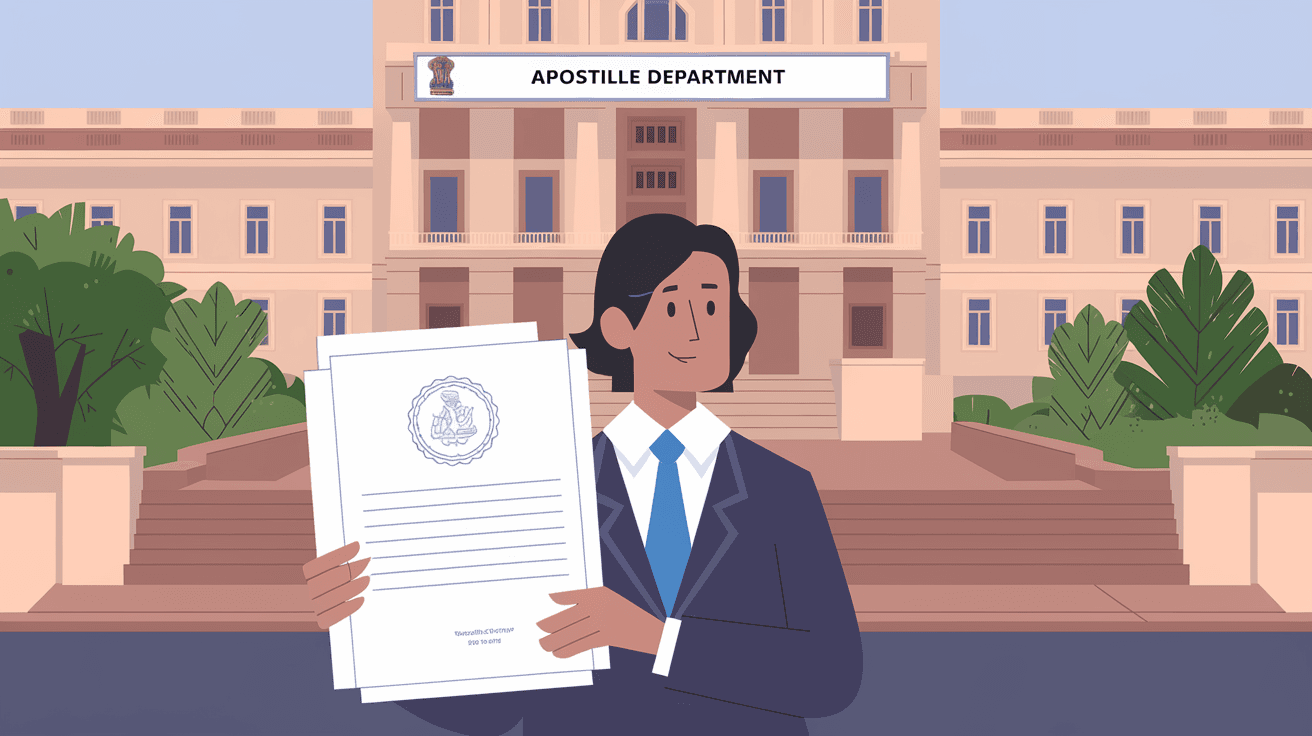
When you need to use an Indian document abroad, you might hear about getting it apostilled. Apostille is a special certification that makes your document valid in countries that are part of the Hague Convention. If you’re wondering how to apostille a document in India, you’re in the right place. I’ll walk you through the process, so you can get your papers ready without stress.
You might be applying for a job overseas, studying abroad, or handling legal matters internationally. Whatever your reason, understanding how to apostille your documents in India is important. Let’s explore what apostille means, which documents need it, and the exact steps you should follow to get it done smoothly.
An apostille is a certificate that authenticates the origin of a public document. It’s issued by a designated authority in the country where the document was created. India became a member of the Hague Apostille Convention in 2005, which means documents issued in India can be apostilled for use in other member countries.
Here’s why you might need an apostille:
Without an apostille, your documents might not be accepted or could require lengthy legalization processes.
Not all documents are eligible for apostille. In India, the following public documents can be apostilled:
Private documents generally cannot be apostilled unless notarized by a public notary first. It’s important to check if your document is eligible before starting the process.
Here’s a clear, step-by-step process to apostille your documents in India:
Before apostille, your document must be verified by the issuing authority. For example:
This initial verification ensures the document is genuine and ready for apostille.
The Ministry of External Affairs (MEA) is the only authority in India that issues apostilles. You can either:
The online process is convenient and saves time. You can upload scanned copies, pay fees, and track your application online.
When applying, you need to submit:
Make sure your documents are clean and legible to avoid delays.
The MEA charges a nominal fee for apostille services. The fee depends on the number of pages and the type of document. Typically, it ranges from INR 50 to INR 100 per document page.
You can pay online through the MEA portal or at the office if applying offline.
Once processed, you can collect your apostilled document from the MEA office or receive it by courier if you applied online. The apostille stamp or sticker will be attached to your document, certifying its authenticity.
Processing time usually takes 3-5 working days but can vary depending on the workload.
To avoid common pitfalls, keep these tips in mind:
You might hear about attestation alongside apostille. While both authenticate documents, they serve different purposes.
If your destination country accepts apostille, it’s faster and simpler than attestation.
Even though the process is straightforward, some challenges can arise:
To avoid these, prepare your documents carefully and follow official guidelines.
Typically, the apostille process takes about 3 to 5 working days once you submit your documents. However, if you apply online, it might be faster due to streamlined processing.
If you use a third-party agency, factor in additional time for courier services. Planning ahead is key, especially if you have deadlines for visa or admission applications.
Once your document is apostilled, it’s recognized in all Hague Convention countries. This means:
If your destination country is not part of the Hague Convention, you may need additional attestation.
Now you know how to apostille a document in India, you can confidently prepare your papers for international use. The process involves verifying your document, submitting it to the Ministry of External Affairs, paying a fee, and collecting the apostilled document. Using the MEA’s online services can save time and effort.
Remember to check if your document is eligible and follow the steps carefully to avoid delays. Whether you’re moving abroad for studies, work, or personal reasons, getting your documents apostilled correctly is essential. This certification ensures your documents are accepted and trusted worldwide, making your international journey smoother.
The cost usually ranges from INR 50 to INR 100 per page. Fees may vary slightly depending on the document type and processing method.
Private documents must first be notarized by a public notary before they can be apostilled by the MEA.
Check if the country is a member of the Hague Apostille Convention. The MEA website provides a list of member countries.
Yes, the MEA offers an online portal where you can apply, pay fees, and track your apostille application.
An apostilled document does not expire but should be recent enough to be accepted by the foreign authority, usually within 6 months to a year.