

How to Adopt a Baby in India
F
Discover verified facts, data, and insights about India’s states, culture, economy, education, and more — all in one place at FactBharat.
Search for a command to run...
Discover verified facts, data, and insights about India’s states, culture, economy, education, and more — all in one place at FactBharat.
No comments yet. Be the first to comment.
Moving to the USA from India is a dream for many. Whether you want to study, work, or live with family, the process can seem complex. But with the right information, you can plan your move confidently. I’ll guide you through the key steps and options...
Opening a college in India is a dream for many educators and entrepreneurs who want to contribute to the country’s education sector. If you are one of those who want to start a college, you need to understand the process clearly. It involves several ...
Opening a hospital in India is a significant and rewarding venture. If you’ve ever wondered how to start one, you’re in the right place. Whether you’re a healthcare professional, entrepreneur, or investor, understanding the process is crucial. You’ll...
Opening a medical store in India can be a rewarding business opportunity. You get to serve your community by providing essential medicines and healthcare products. If you are thinking about starting a medical store, you might wonder where to begin an...
Opening a restaurant in India can be an exciting and rewarding venture. Whether you dream of serving traditional Indian dishes or international cuisine, the process involves careful planning and understanding of local regulations. If you’re ready to ...
FactBharat | Insights About India
2558 posts
Discover verified facts, data, and insights about India’s states, culture, economy, education, and more — all in one place at FactBharat.
Adopting a baby in India is a beautiful way to build your family and give a child a loving home. If you’re thinking about adoption, you might feel overwhelmed by the legal steps and paperwork involved. But don’t worry—I’m here to guide you through the process in simple terms. Together, we’ll explore what you need to know to adopt a baby smoothly and legally in India.
Whether you’re a single person or a couple, understanding the rules and procedures will help you prepare better. Adoption laws in India are designed to protect both the child and the adoptive parents. So, let’s break down the process, eligibility criteria, and important tips to make your adoption journey easier and more hopeful.
Adoption in India is governed mainly by the Juvenile Justice (Care and Protection of Children) Act, 2015. This law replaced older adoption laws and provides a clear framework for adopting children. It applies to all Indian citizens, regardless of religion, and ensures that the child’s welfare is the top priority.
There are two main types of adoption recognized in India:
The Central Adoption Resource Authority (CARA) is the nodal agency that regulates adoption in India. CARA works with authorized adoption agencies to ensure the process is transparent and fair.
Before you start the adoption process, you need to check if you meet the eligibility requirements. CARA has set clear rules to ensure that adoptive parents can provide a safe and stable environment for the child.
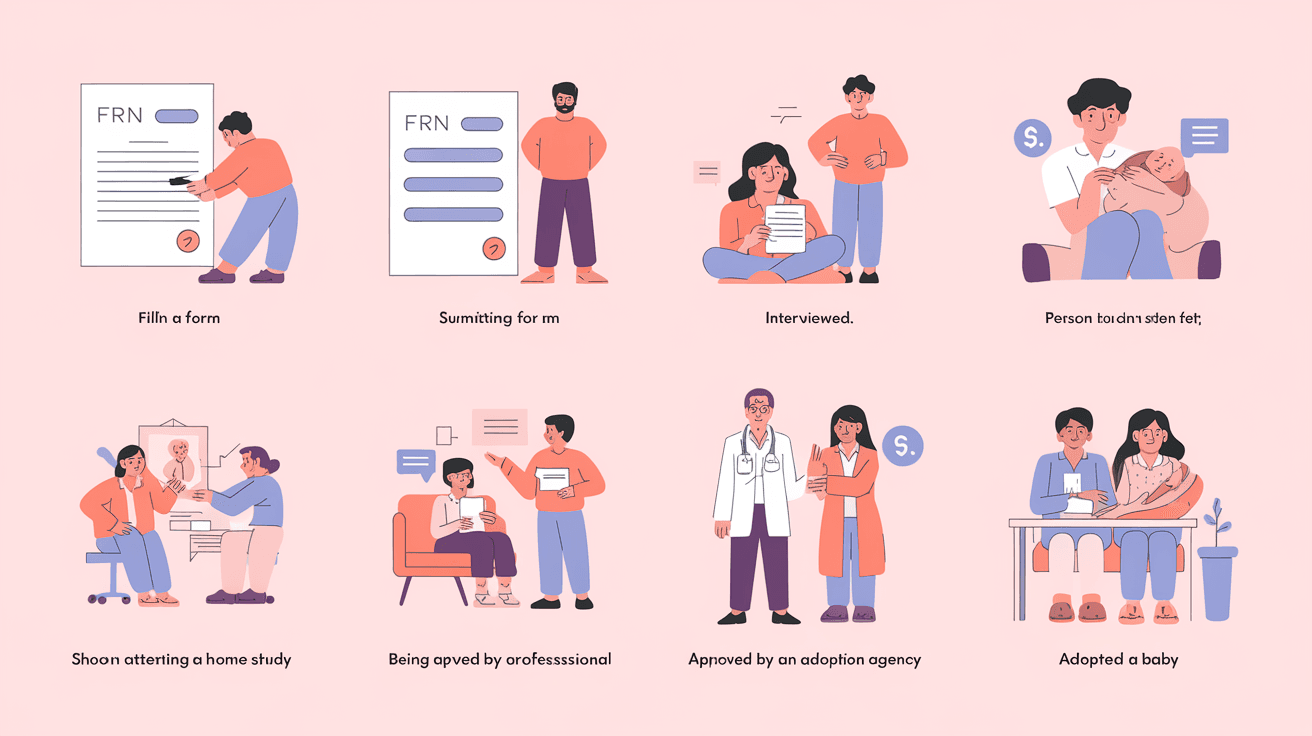
Adopting a baby in India involves several steps, from registration to final legal approval. Here’s a clear roadmap to help you understand what to expect.
You must register with a CARA-authorized adoption agency or a Specialised Adoption Agency (SAA). These agencies help match children with suitable parents and guide you through the process.
After registration, a social worker will visit your home to assess your living conditions and readiness to adopt. This is called a home study report.
Once approved, the agency will match you with a child based on your preferences and the child’s needs.
After accepting the child, you must apply for a legal adoption order in the court.
After adoption, the agency will conduct follow-up visits to ensure the child is adjusting well.
Having the right documents ready can speed up your adoption process. Here’s a list of common documents you’ll need:
Make sure all documents are up-to-date and genuine to avoid delays.
India offers different adoption options depending on your situation and preferences.
This is the standard adoption process through CARA-authorized agencies. It involves all the legal steps and is suitable for most prospective parents.
You can adopt a child from your extended family, like a niece or nephew. This requires legal procedures but may be faster if the child is already known to you.
If you are married and your spouse has a child from a previous relationship, you can adopt the child legally. This requires consent from the biological parent.
Foreign nationals or NRIs can adopt Indian children through CARA’s inter-country adoption program. This process involves additional clearances from the foreign country.
Adoption is rewarding but can come with challenges. Being aware of these can help you prepare better.
To make your adoption smoother, keep these tips in mind:
Adopting a baby in India is a life-changing decision that requires careful planning and patience. By understanding the legal framework, eligibility criteria, and step-by-step process, you can navigate the journey with confidence. Remember, the goal is to provide a loving and secure home for a child in need.
If you follow the guidelines and work closely with authorized agencies, your dream of becoming a parent through adoption can become a reality. Stay positive, be prepared, and embrace the joy that adoption brings to your family.
The adoption process usually takes between 6 months to 1 year, depending on the agency, child availability, and legal procedures.
Yes, single women can adopt a girl child, and single men can adopt under specific conditions like being widowed or divorced.
CARA regulates and monitors adoption agencies, ensures legal compliance, and facilitates both in-country and inter-country adoptions.
Yes, adoption agencies charge registration and processing fees, which vary but are generally affordable and regulated by CARA.
Yes, foreigners can adopt through CARA’s inter-country adoption program, which involves additional clearances from their home country.