

How Russia Ukraine Conflict Affects India
F
Discover verified facts, data, and insights about India’s states, culture, economy, education, and more — all in one place at FactBharat.
Search for a command to run...
Discover verified facts, data, and insights about India’s states, culture, economy, education, and more — all in one place at FactBharat.
No comments yet. Be the first to comment.
Moving to the USA from India is a dream for many. Whether you want to study, work, or live with family, the process can seem complex. But with the right information, you can plan your move confidently. I’ll guide you through the key steps and options...
Opening a college in India is a dream for many educators and entrepreneurs who want to contribute to the country’s education sector. If you are one of those who want to start a college, you need to understand the process clearly. It involves several ...
Opening a hospital in India is a significant and rewarding venture. If you’ve ever wondered how to start one, you’re in the right place. Whether you’re a healthcare professional, entrepreneur, or investor, understanding the process is crucial. You’ll...
Opening a medical store in India can be a rewarding business opportunity. You get to serve your community by providing essential medicines and healthcare products. If you are thinking about starting a medical store, you might wonder where to begin an...
Opening a restaurant in India can be an exciting and rewarding venture. Whether you dream of serving traditional Indian dishes or international cuisine, the process involves careful planning and understanding of local regulations. If you’re ready to ...
FactBharat | Insights About India
2558 posts
Discover verified facts, data, and insights about India’s states, culture, economy, education, and more — all in one place at FactBharat.
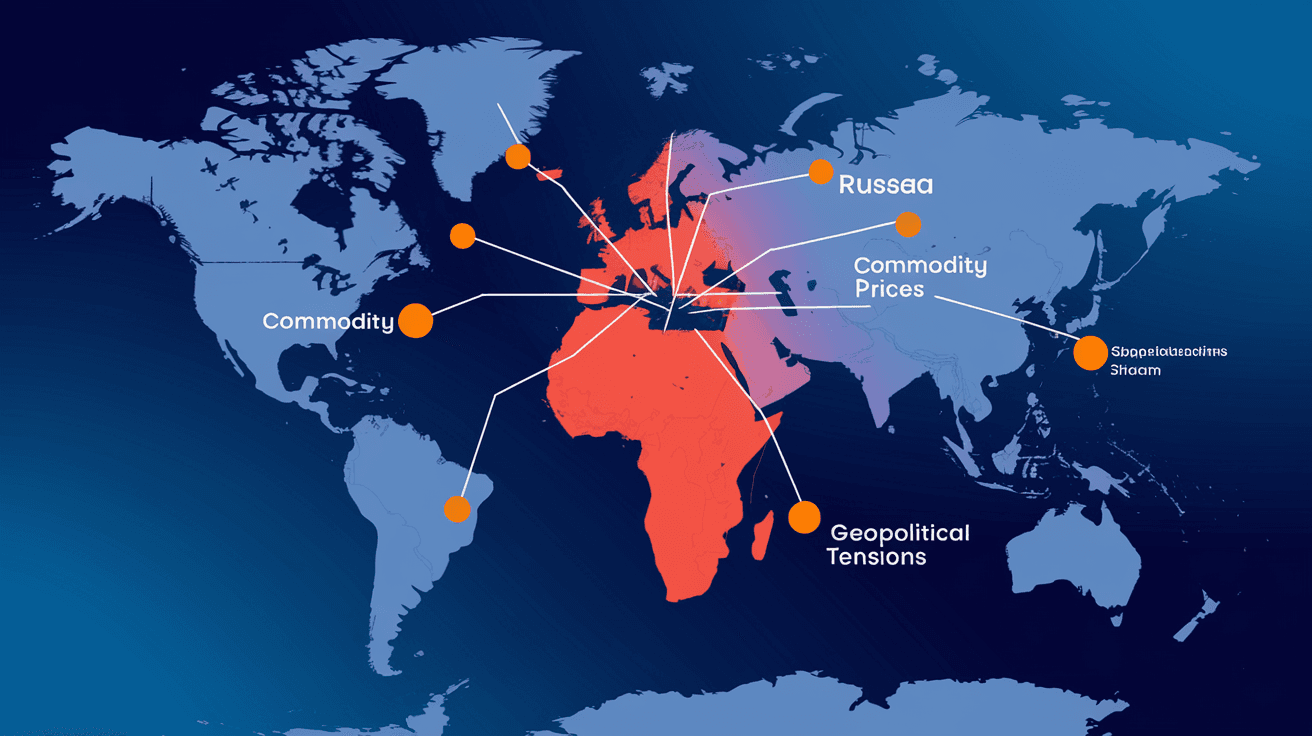
The Russia-Ukraine conflict has reshaped global politics and economies in many ways. You might wonder how this distant war affects India, a country far from the battleground but deeply linked through trade, energy, and diplomacy. Understanding these effects helps you see the bigger picture of global interdependence.
In this article, I’ll walk you through how the ongoing conflict influences India’s economy, energy security, foreign relations, and more. By the end, you’ll have a clear view of the challenges and opportunities India faces amid this global crisis.
The Russia-Ukraine conflict has disrupted global supply chains, and India feels the ripple effects in several ways. One major area is trade. India imports significant amounts of crude oil and fertilizers from Russia, while Ukraine is a key supplier of wheat and other agricultural products.
Despite these challenges, India has also found opportunities. For example, India has increased its imports of discounted Russian crude oil, helping to manage energy costs. Additionally, India’s agricultural exports have gained new markets as global trade patterns shift.
Energy security is a critical concern for India, and the Russia-Ukraine conflict has made it more complex. India relies heavily on oil imports, and Russia is one of its key suppliers.
This mix of strategies helps India maintain energy stability despite global uncertainties caused by the conflict.
India’s foreign policy faces a delicate balancing act due to the Russia-Ukraine conflict. India has strong historical ties with Russia but also values its relationships with Western countries.
This approach reflects India’s broader goal of strategic autonomy, where it seeks to protect its interests without being drawn into great power rivalries.
Russia has been a major defense partner for India, supplying a significant portion of its military equipment. The conflict has influenced this cooperation in several ways.
These changes aim to strengthen India’s defense capabilities while managing risks from geopolitical tensions.
The conflict has contributed to inflationary pressures in India, affecting everyday consumers.
The Indian government has responded with measures like reducing fuel taxes and increasing subsidies to ease the burden on citizens.
While the conflict has created challenges, it has also opened new trade opportunities for India.
These shifts help India strengthen its global trade footprint despite the conflict’s disruptions.
India has a large diaspora in both Russia and Ukraine, and the conflict has raised humanitarian concerns.
These actions highlight India’s commitment to protecting its people abroad amid global crises.
Looking ahead, the Russia-Ukraine conflict may reshape India’s strategic landscape in several ways.
India’s response to the conflict will influence its role on the world stage for years to come.
The Russia-Ukraine conflict affects India in many interconnected ways. From economic challenges like rising fuel and food prices to strategic shifts in foreign policy and defense, the impact is broad and complex. Yet, India is also finding opportunities to adapt and grow amid these changes.
By understanding these effects, you can appreciate how global events shape India’s present and future. The conflict underscores the importance of resilience, diplomacy, and strategic planning in navigating today’s uncertain world.
India imports discounted crude oil from Russia, helping manage costs. However, global price volatility also creates challenges for India’s energy security.
India maintains a neutral position, calling for peaceful dialogue without condemning Russia, balancing its historical ties and global partnerships.
Disruptions in wheat exports from Ukraine and fertilizer supplies from Russia have led to higher food prices and inflation in India.
India is boosting domestic defense manufacturing and diversifying partnerships with countries like the US and France to reduce reliance on Russian equipment.
The Indian government has conducted evacuation missions, provided medical and financial aid, and engaged diplomatically to protect its diaspora in Ukraine.