

How Prime Minister is Elected in India
F
Discover verified facts, data, and insights about India’s states, culture, economy, education, and more — all in one place at FactBharat.
Search for a command to run...
Discover verified facts, data, and insights about India’s states, culture, economy, education, and more — all in one place at FactBharat.
No comments yet. Be the first to comment.
Moving to the USA from India is a dream for many. Whether you want to study, work, or live with family, the process can seem complex. But with the right information, you can plan your move confidently. I’ll guide you through the key steps and options...
Opening a college in India is a dream for many educators and entrepreneurs who want to contribute to the country’s education sector. If you are one of those who want to start a college, you need to understand the process clearly. It involves several ...
Opening a hospital in India is a significant and rewarding venture. If you’ve ever wondered how to start one, you’re in the right place. Whether you’re a healthcare professional, entrepreneur, or investor, understanding the process is crucial. You’ll...
Opening a medical store in India can be a rewarding business opportunity. You get to serve your community by providing essential medicines and healthcare products. If you are thinking about starting a medical store, you might wonder where to begin an...
Opening a restaurant in India can be an exciting and rewarding venture. Whether you dream of serving traditional Indian dishes or international cuisine, the process involves careful planning and understanding of local regulations. If you’re ready to ...
FactBharat | Insights About India
2558 posts
Discover verified facts, data, and insights about India’s states, culture, economy, education, and more — all in one place at FactBharat.
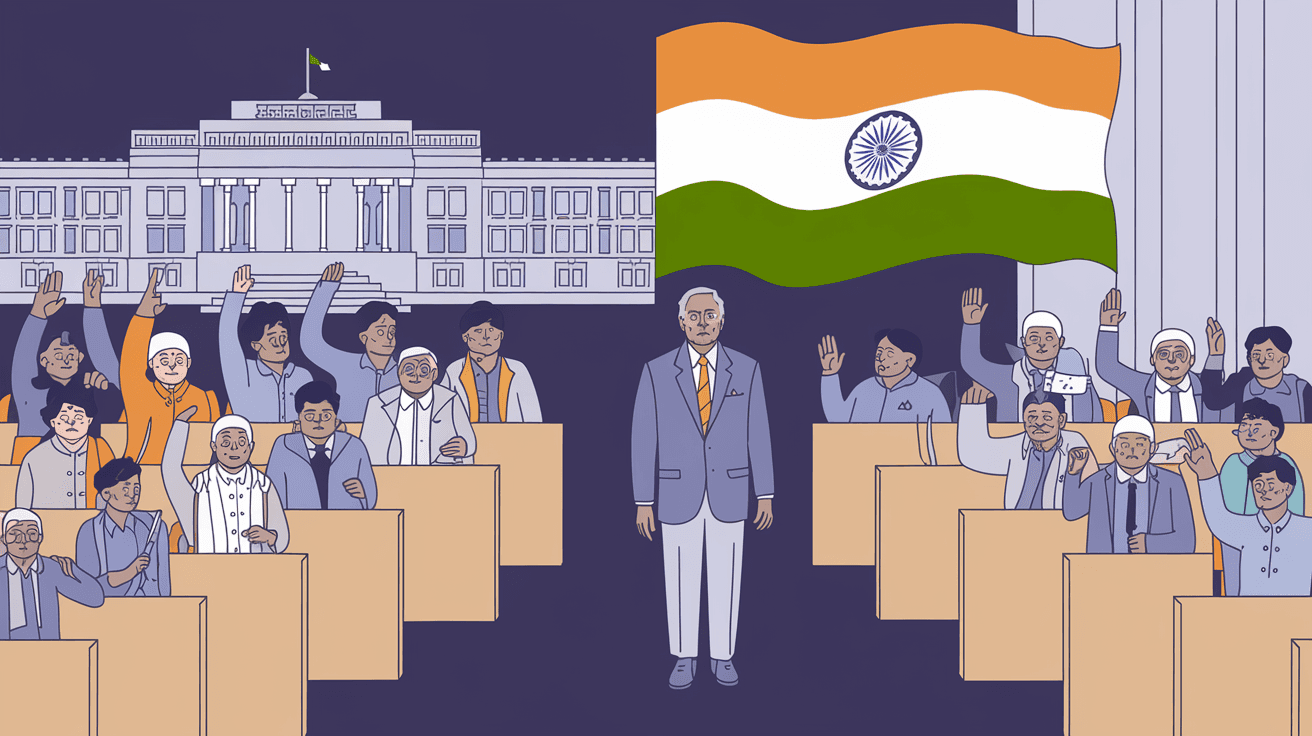
You might wonder how the Prime Minister of India is chosen. It’s a process that combines constitutional rules with political traditions. Understanding this helps you grasp how India’s democracy works at the highest level.
In this article, I’ll explain the step-by-step process of electing the Prime Minister in India. You’ll learn about the role of the President, the Parliament, and political parties in this important decision.
The Prime Minister (PM) is the head of the government in India. They lead the executive branch and are responsible for running the country’s administration. The PM also represents India on the global stage.
Some key responsibilities of the Prime Minister include:
Because of these duties, the selection of the Prime Minister is a crucial part of India’s political system.
The Indian Constitution does not directly mention the election of the Prime Minister. Instead, it outlines the roles of the President and Parliament, which indirectly determine how the PM is chosen.
Here are the main constitutional points:
This means the President appoints the PM, but the choice depends on who commands majority support in the Lok Sabha.
The process begins with general elections to the Lok Sabha, the lower house of Parliament. These elections happen every five years or when the Lok Sabha is dissolved.
Here’s how it works:
The outcome of these elections is critical because the Prime Minister must have the support of the majority in the Lok Sabha.
After the election results are declared, the President of India invites the leader of the majority party or coalition to form the government.
This invitation is based on:
If a single party has a clear majority, the process is straightforward. But if no party has a majority, the President may invite the leader of the largest coalition or the person who can prove majority support through alliances.
Once the President invites the leader, the formal appointment takes place.
Key points about this appointment:
This appointment is a constitutional formality, but it is based on political realities.
After appointment, the Prime Minister must prove they have the confidence of the Lok Sabha.
This is done through a vote of confidence or floor test in the Parliament. The PM must secure more than half the votes of the members present.
If the PM fails to prove majority, they must resign, and the President may invite another leader to form the government.
Sometimes, no party or coalition wins a clear majority. This situation is called a hung parliament.
In such cases:
If no one can prove majority, the President may dissolve the Lok Sabha and call for fresh elections.
Political parties play a major role in choosing the Prime Minister.
Here’s how:
This internal party process is crucial because the PM must have strong backing from their party members.
Yes, the Prime Minister can be a member of the Rajya Sabha, which is the upper house of Parliament.
However:
This flexibility allows political parties to choose leaders from either house.
Looking at recent examples helps understand the process better.
These examples show how election results and party decisions shape the PM’s appointment.
| Step | Description |
| 1. General Elections | Citizens elect MPs to Lok Sabha |
| 2. President’s Invitation | Leader of majority party/coalition invited |
| 3. Appointment by President | Formal appointment of the Prime Minister |
| 4. Prove Majority in Lok Sabha | PM must win vote of confidence in Parliament |
Now you know how the Prime Minister of India is elected. It’s a mix of constitutional rules and political practices. The process starts with general elections and ends with the President appointing the leader who commands majority support in the Lok Sabha.
Understanding this process helps you appreciate how India’s democracy functions. The Prime Minister’s selection reflects the will of the people expressed through their elected representatives.
The Prime Minister serves a term of five years, aligned with the Lok Sabha’s term. However, they can continue as long as they have majority support in the Lok Sabha.
Yes, if the Prime Minister loses the confidence of the Lok Sabha, they must resign. This can happen through a vote of no confidence.
The President appoints the PM based on who has majority support in the Lok Sabha. The choice is not arbitrary but guided by election results and political realities.
They must get elected to either the Lok Sabha or Rajya Sabha within six months of appointment to continue as PM.
No, only one person can be the Prime Minister. However, coalition partners negotiate to decide who will hold the position.