

How Parthenium Came to India
F
Discover verified facts, data, and insights about India’s states, culture, economy, education, and more — all in one place at FactBharat.
Search for a command to run...
Discover verified facts, data, and insights about India’s states, culture, economy, education, and more — all in one place at FactBharat.
No comments yet. Be the first to comment.
Moving to the USA from India is a dream for many. Whether you want to study, work, or live with family, the process can seem complex. But with the right information, you can plan your move confidently. I’ll guide you through the key steps and options...
Opening a college in India is a dream for many educators and entrepreneurs who want to contribute to the country’s education sector. If you are one of those who want to start a college, you need to understand the process clearly. It involves several ...
Opening a hospital in India is a significant and rewarding venture. If you’ve ever wondered how to start one, you’re in the right place. Whether you’re a healthcare professional, entrepreneur, or investor, understanding the process is crucial. You’ll...
Opening a medical store in India can be a rewarding business opportunity. You get to serve your community by providing essential medicines and healthcare products. If you are thinking about starting a medical store, you might wonder where to begin an...
Opening a restaurant in India can be an exciting and rewarding venture. Whether you dream of serving traditional Indian dishes or international cuisine, the process involves careful planning and understanding of local regulations. If you’re ready to ...
FactBharat | Insights About India
2558 posts
Discover verified facts, data, and insights about India’s states, culture, economy, education, and more — all in one place at FactBharat.
You might have noticed a weed called Parthenium growing wildly in many parts of India. It’s a plant that has become a big problem for farmers, gardeners, and even our health. But have you ever wondered how Parthenium came to India in the first place? Understanding its journey helps us see why it spread so fast and what we can do about it.
In this article, I’ll take you through the story of Parthenium’s arrival in India. We’ll explore where it came from, how it spread, and the challenges it created. By the end, you’ll know why this weed is such a concern and what steps are being taken to control it.
Parthenium hysterophorus, commonly known as Parthenium weed or Congress grass, is a fast-growing invasive plant. It belongs to the sunflower family and is native to the Americas, especially Central and South America.
Parthenium is considered a noxious weed because it harms crops, native plants, and even human health. Its pollen and sap can cause allergies, skin rashes, and respiratory problems.
Parthenium originally grew in Mexico and parts of Central America. Over time, it spread to other continents due to human trade and travel.
By the late 1900s, Parthenium had become a global invasive species, causing problems in many tropical and subtropical countries.
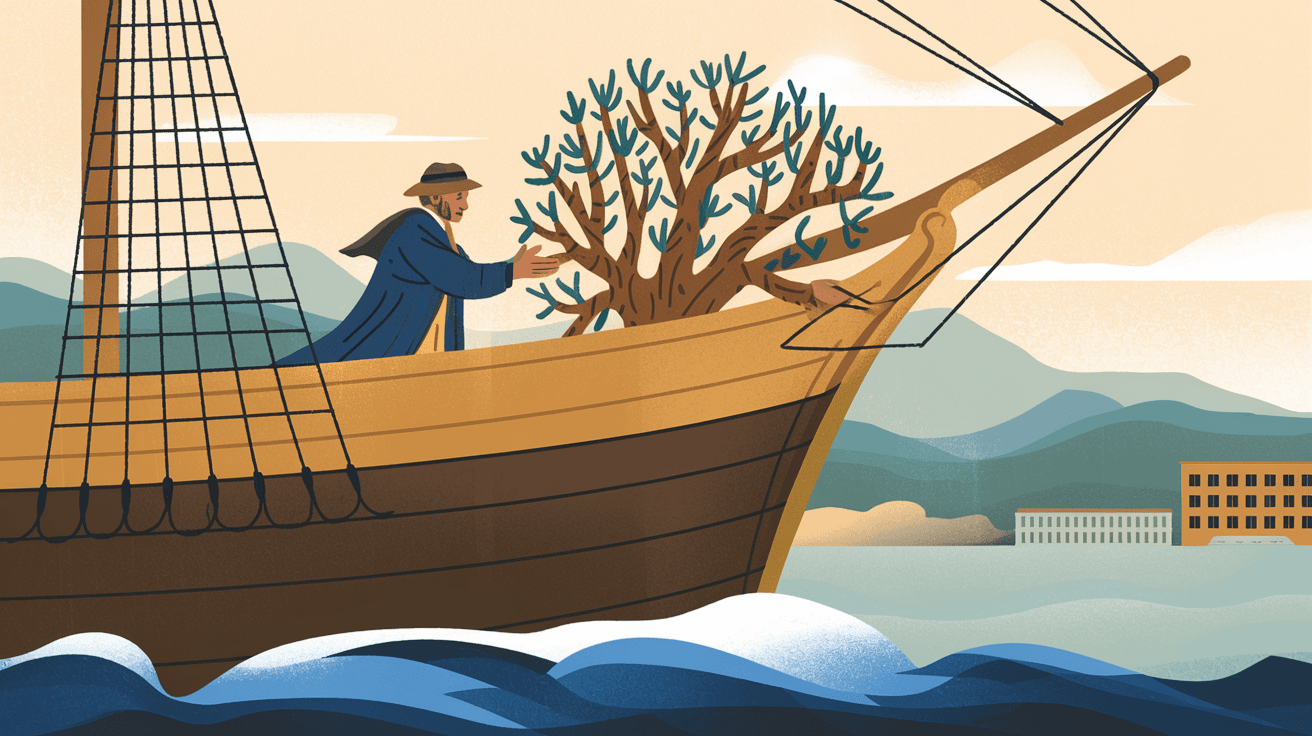
Parthenium was first reported in India in the 1950s. Experts believe it arrived accidentally through imported wheat and grain shipments.
The introduction was unintentional, but the consequences were significant. The weed found India’s climate and soil very suitable for growth.
Several reasons explain why Parthenium spread so fast in India:
Because of these factors, Parthenium quickly invaded many states, especially in the north, central, and southern regions.
Parthenium has caused serious problems in India’s farming and natural ecosystems.
Farmers often find it hard to control Parthenium because it grows back quickly after removal.
Since the 1980s, India has taken steps to manage Parthenium’s spread.
Despite these efforts, controlling Parthenium remains a challenge because of its rapid growth and seed spread.
You can play a role in stopping Parthenium from spreading further:
Small actions by many people can make a big difference in managing this invasive weed.
Now you know how Parthenium came to India—through accidental introduction via imported grains—and why it spread so quickly. Its ability to thrive in Indian conditions and lack of natural enemies made it a major problem for agriculture, environment, and health.
Controlling Parthenium requires ongoing effort from farmers, scientists, and communities. By understanding its history and impact, you can better appreciate the importance of managing this invasive weed. Together, we can protect India’s land and health from the harmful effects of Parthenium.
Parthenium likely came to India accidentally in the 1950s through contaminated wheat and grain imports from countries like the USA or Australia.
It harms crops by competing for nutrients, reduces soil fertility, crowds out native plants, and causes allergies and skin problems in humans.
Its fast seed production, suitable climate, lack of natural predators, and human activities like transport help it spread quickly.
Yes, biological control agents like the beetle Zygogramma bicolorata have been introduced to feed on Parthenium leaves and help control it.
Absolutely. People can avoid spreading seeds, remove plants carefully, use protective gear, and support local control programs to reduce Parthenium spread.