

How NGO Works in India
F
Discover verified facts, data, and insights about India’s states, culture, economy, education, and more — all in one place at FactBharat.
Search for a command to run...
Discover verified facts, data, and insights about India’s states, culture, economy, education, and more — all in one place at FactBharat.
No comments yet. Be the first to comment.
Moving to the USA from India is a dream for many. Whether you want to study, work, or live with family, the process can seem complex. But with the right information, you can plan your move confidently. I’ll guide you through the key steps and options...
Opening a college in India is a dream for many educators and entrepreneurs who want to contribute to the country’s education sector. If you are one of those who want to start a college, you need to understand the process clearly. It involves several ...
Opening a hospital in India is a significant and rewarding venture. If you’ve ever wondered how to start one, you’re in the right place. Whether you’re a healthcare professional, entrepreneur, or investor, understanding the process is crucial. You’ll...
Opening a medical store in India can be a rewarding business opportunity. You get to serve your community by providing essential medicines and healthcare products. If you are thinking about starting a medical store, you might wonder where to begin an...
Opening a restaurant in India can be an exciting and rewarding venture. Whether you dream of serving traditional Indian dishes or international cuisine, the process involves careful planning and understanding of local regulations. If you’re ready to ...
FactBharat | Insights About India
2558 posts
Discover verified facts, data, and insights about India’s states, culture, economy, education, and more — all in one place at FactBharat.
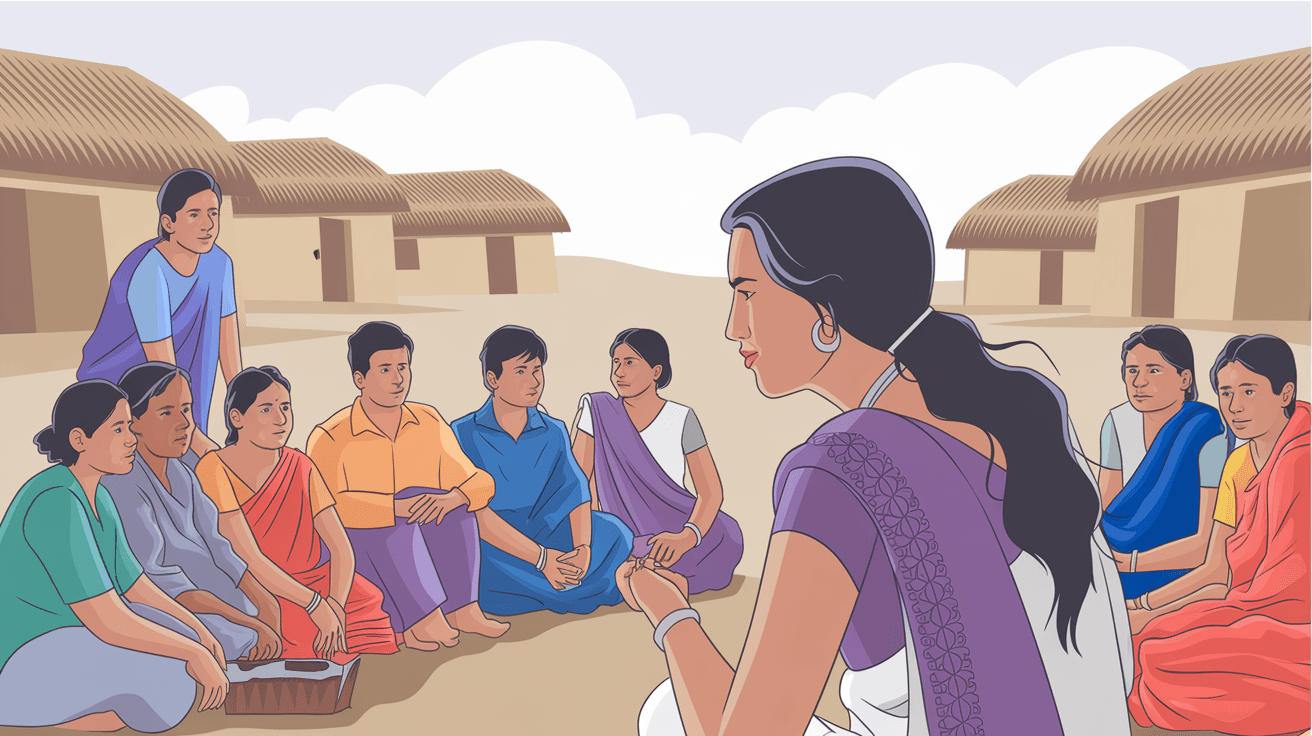
You might have wondered how NGOs work in India and what makes them so important. NGOs, or Non-Governmental Organizations, play a vital role in addressing social issues, helping communities, and supporting development. Whether it’s education, health, or environmental protection, NGOs fill gaps where government efforts may fall short.
In this article, I’ll walk you through how NGOs operate in India. We’ll explore their registration process, funding sources, daily activities, and the challenges they face. By the end, you’ll have a clear understanding of how these organizations contribute to society and how you can get involved or support them.
An NGO is a non-profit group that works independently from the government. In India, NGOs focus on various social causes like poverty alleviation, women’s empowerment, education, health care, and environmental conservation.
NGOs act as a bridge between the government and the public, often reaching remote areas where government services are limited.
To work legally, NGOs in India must register under specific laws. The most common forms of registration are:
Each registration type has its own rules for governance, reporting, and compliance. Choosing the right one depends on the NGO’s goals and structure.
Funding is crucial for NGOs to carry out their activities. Here are the main sources:
NGOs must maintain transparency and proper accounting to build trust with donors and comply with legal requirements.
Running an NGO involves many tasks, from planning projects to managing staff and volunteers.
NGOs often collaborate with local communities, government bodies, and other organizations to maximize their impact.
Despite their importance, NGOs face several hurdles:
Addressing these challenges requires better governance, capacity development, and supportive policies.
NGOs have made significant contributions in various fields:
Their work has helped millions improve their quality of life and created a more inclusive society.
If you want to make a difference, here are ways to get involved:
Every small effort counts and contributes to positive change.
Understanding how NGOs work in India helps us appreciate their role in society. These organizations operate through legal registration, diverse funding, and dedicated efforts to solve social problems. Despite challenges, NGOs continue to impact education, health, environment, and more.
You can support NGOs by volunteering, donating, or spreading the word. Together, we can help build a stronger, more compassionate India where everyone has the chance to thrive.
NGOs register under the Society Registration Act, Indian Trusts Act, or as Section 8 Companies under the Companies Act, depending on their structure and goals.
NGOs receive funds from donations, government grants, international aid, CSR contributions, and fundraising events.
Yes, anyone with a clear social cause and a group of members can start an NGO by following the legal registration process.
NGOs improve rural areas by providing sanitation, clean water, education, and livelihood programs tailored to local needs.
Common challenges include funding shortages, regulatory compliance, transparency issues, political interference, and lack of skilled staff.