

How Much Tint Is Legal in India
F
Discover verified facts, data, and insights about India’s states, culture, economy, education, and more — all in one place at FactBharat.
Search for a command to run...
Discover verified facts, data, and insights about India’s states, culture, economy, education, and more — all in one place at FactBharat.
No comments yet. Be the first to comment.
Moving to the USA from India is a dream for many. Whether you want to study, work, or live with family, the process can seem complex. But with the right information, you can plan your move confidently. I’ll guide you through the key steps and options...
Opening a college in India is a dream for many educators and entrepreneurs who want to contribute to the country’s education sector. If you are one of those who want to start a college, you need to understand the process clearly. It involves several ...
Opening a hospital in India is a significant and rewarding venture. If you’ve ever wondered how to start one, you’re in the right place. Whether you’re a healthcare professional, entrepreneur, or investor, understanding the process is crucial. You’ll...
Opening a medical store in India can be a rewarding business opportunity. You get to serve your community by providing essential medicines and healthcare products. If you are thinking about starting a medical store, you might wonder where to begin an...
Opening a restaurant in India can be an exciting and rewarding venture. Whether you dream of serving traditional Indian dishes or international cuisine, the process involves careful planning and understanding of local regulations. If you’re ready to ...
FactBharat | Insights About India
2558 posts
Discover verified facts, data, and insights about India’s states, culture, economy, education, and more — all in one place at FactBharat.
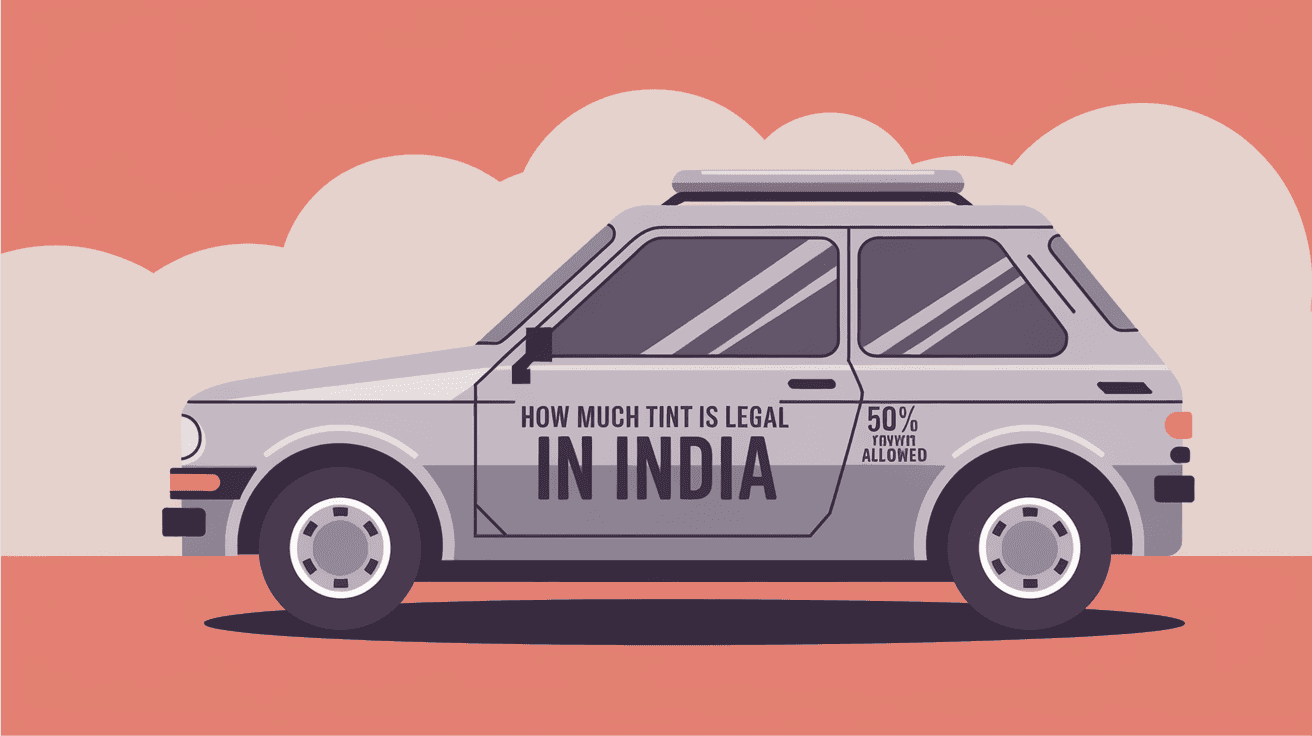
If you’re thinking about tinting your car windows in India, you probably wonder how much tint is actually legal. Tinting can improve privacy, reduce glare, and keep your car cooler. But it’s important to know the rules so you don’t get fined or face legal trouble.
In this article, I’ll explain the legal limits for window tinting in India. I’ll also share tips on how to choose the right tint and stay safe on the road. By the end, you’ll understand the laws clearly and know how to tint your car the right way.
Window tinting laws in India are set to ensure safety and visibility on the roads. The government regulates how dark your car’s windows can be tinted. This is mainly to help police and other drivers see inside your vehicle when necessary.
The Ministry of Road Transport and Highways (MoRTH) has issued guidelines on permissible tint levels. These rules apply to all vehicles, including private cars, commercial vehicles, and SUVs.
The tint percentage refers to the amount of visible light allowed through the window film. For example, a 70% tint means 70% of light passes through, and 30% is blocked. The lower the percentage, the darker the tint.
In India, the law specifies minimum visible light transmission (VLT) percentages for different windows.
The legal tint limits vary depending on which window you are tinting. Here’s a breakdown of the current rules:
These limits mean you cannot have very dark tints on the front windows. The rear windows can be slightly darker but still need to allow half the light through.
The main reason for these limits is safety. Police officers need to see inside your car during traffic stops. Other drivers also benefit from being able to see your hand signals or passengers. Excessively dark tints can block visibility and increase accident risks.
If your car’s tint does not meet legal standards, you can face penalties. Traffic police regularly check vehicles for compliance. Here’s what you should know about fines and consequences:
It’s best to avoid these troubles by following the rules from the start.
Choosing the right tint involves balancing privacy, comfort, and legality. Here are some tips to help you pick the best option:
When you use legal tinting, you enjoy several advantages without risking penalties:
There are many misconceptions about tinting rules. Let’s clear up some common myths:
Myth 1: All dark tints are illegal.
Not true. You can have dark tints on rear windows within legal limits.
Myth 2: Police cannot check tint levels.
Police have devices to measure VLT and can fine you if your tint is illegal.
Myth 3: Tinting is only for luxury cars.
Anyone can tint their car windows legally.
Myth 4: Removing tint is expensive.
Removing illegal tint is usually straightforward and affordable.
If you want to be sure your tint complies with the law, here’s what you can do:
Once you have legal tint installed, proper care helps it last longer:
Understanding how much tint is legal in India helps you enjoy the benefits of window tinting without breaking the law. The key is to follow the VLT limits set by the government: 70% for front windows and 50% for rear windows. This keeps you safe, visible, and compliant with traffic rules.
By choosing the right tint and maintaining it well, you can improve your driving experience and protect your car. Always buy from trusted dealers and get your tint checked if you’re unsure. This way, you avoid fines and enjoy a cooler, more private ride.
The front side windows must allow at least 70% of visible light to pass through, meaning the tint cannot be darker than 30% VLT.
Only a 15 cm strip at the top of the windshield can be tinted with 70% VLT. The rest of the windshield must remain clear.
You may be fined up to ₹5,000, asked to remove the tint, or even have your vehicle impounded until compliance.
Yes, legal tinting improves privacy, reduces glare, blocks UV rays, controls heat, and enhances your car’s look.
You can visit authorized centers, use a VLT meter, or ask your tint dealer for certification to ensure your tint meets legal standards.