

How Much Profit in Mushroom Farming in India
F
Discover verified facts, data, and insights about India’s states, culture, economy, education, and more — all in one place at FactBharat.
Search for a command to run...
Discover verified facts, data, and insights about India’s states, culture, economy, education, and more — all in one place at FactBharat.
No comments yet. Be the first to comment.
Moving to the USA from India is a dream for many. Whether you want to study, work, or live with family, the process can seem complex. But with the right information, you can plan your move confidently. I’ll guide you through the key steps and options...
Opening a college in India is a dream for many educators and entrepreneurs who want to contribute to the country’s education sector. If you are one of those who want to start a college, you need to understand the process clearly. It involves several ...
Opening a hospital in India is a significant and rewarding venture. If you’ve ever wondered how to start one, you’re in the right place. Whether you’re a healthcare professional, entrepreneur, or investor, understanding the process is crucial. You’ll...
Opening a medical store in India can be a rewarding business opportunity. You get to serve your community by providing essential medicines and healthcare products. If you are thinking about starting a medical store, you might wonder where to begin an...
Opening a restaurant in India can be an exciting and rewarding venture. Whether you dream of serving traditional Indian dishes or international cuisine, the process involves careful planning and understanding of local regulations. If you’re ready to ...
FactBharat | Insights About India
2558 posts
Discover verified facts, data, and insights about India’s states, culture, economy, education, and more — all in one place at FactBharat.
Mushroom farming in India has become a popular and profitable venture for many farmers and entrepreneurs. If you are considering starting mushroom cultivation, you might wonder, "How much profit can I really make?" This article will guide you through the key factors affecting profitability, including costs, yields, and market demand.
You will learn about the types of mushrooms grown in India, the investment needed, and how to maximize your returns. Whether you want to start small or scale up, understanding the profit potential will help you make informed decisions and succeed in this growing industry.
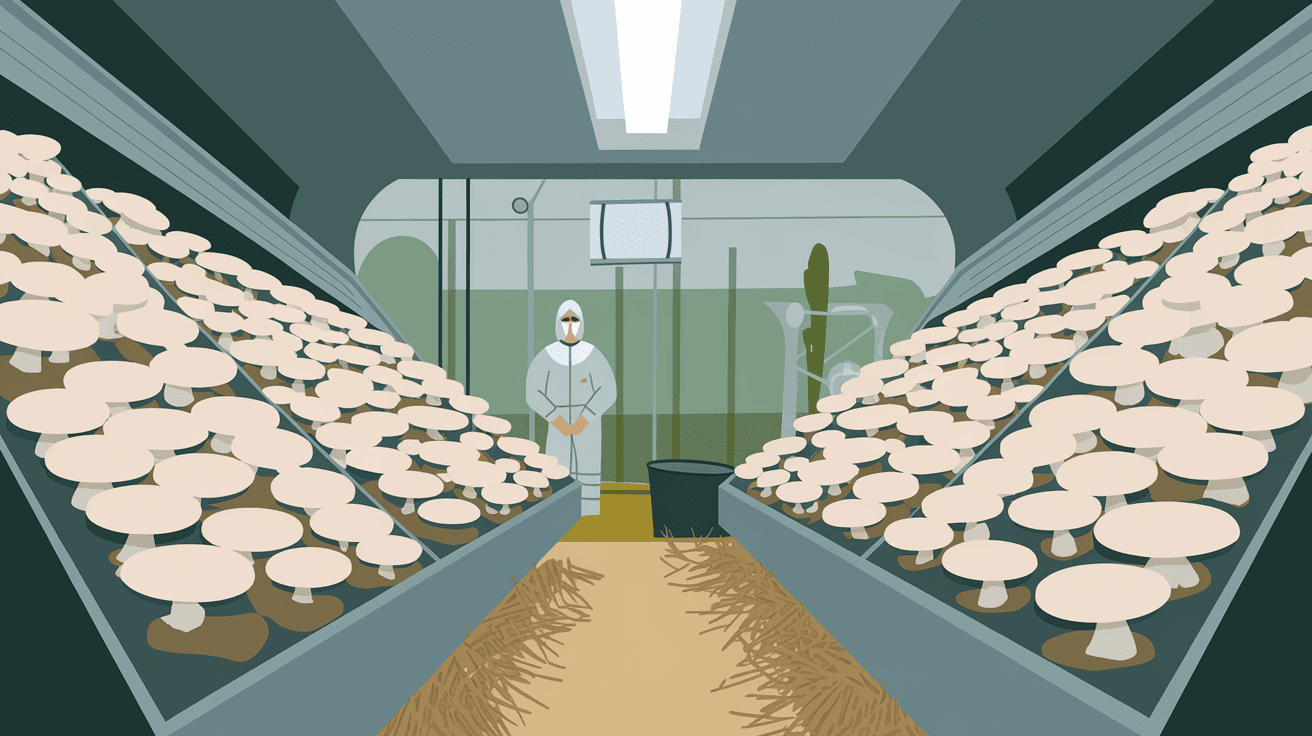
Mushroom farming involves growing edible fungi under controlled conditions. In India, the most common varieties are button mushrooms, oyster mushrooms, and milky mushrooms. Each type has its own cultivation methods and market demand.
The climate in many parts of India is suitable for mushroom farming, especially in states like Punjab, Haryana, Maharashtra, and West Bengal. Mushrooms grow quickly, usually ready for harvest within 30 to 45 days, making them a fast-return crop.
Each type affects the cost and profit margins differently, so choosing the right mushroom is crucial.
Starting mushroom farming requires some initial investment, but it is generally affordable compared to other agricultural ventures. The main costs include land or space, substrate preparation, spawn purchase, labor, and infrastructure.
| Cost Component | Approximate Cost (INR) |
| Spawn (per kg) | 200 - 300 |
| Substrate preparation | 10,000 - 20,000 (per cycle) |
| Infrastructure | 50,000 - 1,00,000 |
| Labor | 5,000 - 10,000 (per cycle) |
| Miscellaneous | 5,000 |
You can start small with minimal infrastructure and scale up as you gain experience.
Mushrooms have a short production cycle, which means you can harvest multiple crops in a year. Typically, one cycle lasts 30 to 45 days, depending on the mushroom type.
With proper care, you can expect 3 to 4 cycles annually. This fast turnover increases your profit potential.
Mushrooms are in high demand in urban areas due to their nutritional benefits and culinary uses. The price varies based on the type, quality, and location.
| Mushroom Type | Price per kg (INR) |
| Button Mushroom | 150 - 200 |
| Oyster Mushroom | 100 - 150 |
| Milky Mushroom | 80 - 120 |
Prices can fluctuate seasonally and with supply. Selling directly to retailers or consumers often yields better prices than selling to wholesalers.
To understand the profit, you need to subtract the total costs from the revenue generated by selling mushrooms.
This example shows a high-profit potential, but actual profits depend on your management skills, market access, and scale.
Several factors influence how much profit you can make from mushroom farming in India.
Using high-quality spawn and properly prepared substrate ensures better yield and reduces crop failure.
Mushrooms are sensitive to temperature and humidity. Maintaining ideal conditions and hygiene reduces disease and increases production.
Selling directly to consumers, restaurants, or supermarkets can increase your profit margins compared to selling through middlemen.
Larger farms benefit from economies of scale, reducing per-unit costs and increasing overall profit.
Experienced farmers can optimize production cycles, reduce waste, and improve quality, leading to higher profits.
If you want to boost your earnings, consider these practical tips:
While mushroom farming is profitable, it comes with challenges that can affect your income.
The Indian government supports mushroom farming through various schemes and subsidies. These can reduce your initial investment and improve profitability.
Check with your local agriculture department for current programs.
Mushroom farming in India offers a promising opportunity to earn good profits with relatively low investment. By understanding the costs, yields, and market dynamics, you can plan your venture effectively. The key to success lies in choosing the right mushroom variety, maintaining quality, and accessing the right markets.
With proper management and dedication, mushroom farming can become a sustainable and rewarding business. Whether you start small or scale up, the fast production cycle and growing demand make it a lucrative option for farmers and entrepreneurs across India.
Starting mushroom farming can cost between INR 50,000 to INR 1,00,000 depending on the scale and infrastructure. Small-scale setups require less investment, mainly for spawn, substrate, and basic equipment.
Profit margins can range from 50% to 70%, depending on yield, market price, and cost control. Proper management and direct selling can increase profitability.
Button mushrooms are generally the most profitable due to high demand and better prices, but oyster and milky mushrooms are easier to grow and also profitable.
Mushrooms typically take 30 to 45 days from inoculation to harvest, allowing for multiple production cycles annually.
Yes, the Indian government offers subsidies and training programs under schemes like the National Horticulture Mission to support mushroom farmers.