

How Much Plastic Waste Is Generated in India Per Day
F
Discover verified facts, data, and insights about India’s states, culture, economy, education, and more — all in one place at FactBharat.
Search for a command to run...
Discover verified facts, data, and insights about India’s states, culture, economy, education, and more — all in one place at FactBharat.
No comments yet. Be the first to comment.
Moving to the USA from India is a dream for many. Whether you want to study, work, or live with family, the process can seem complex. But with the right information, you can plan your move confidently. I’ll guide you through the key steps and options...
Opening a college in India is a dream for many educators and entrepreneurs who want to contribute to the country’s education sector. If you are one of those who want to start a college, you need to understand the process clearly. It involves several ...
Opening a hospital in India is a significant and rewarding venture. If you’ve ever wondered how to start one, you’re in the right place. Whether you’re a healthcare professional, entrepreneur, or investor, understanding the process is crucial. You’ll...
Opening a medical store in India can be a rewarding business opportunity. You get to serve your community by providing essential medicines and healthcare products. If you are thinking about starting a medical store, you might wonder where to begin an...
Opening a restaurant in India can be an exciting and rewarding venture. Whether you dream of serving traditional Indian dishes or international cuisine, the process involves careful planning and understanding of local regulations. If you’re ready to ...
FactBharat | Insights About India
2558 posts
Discover verified facts, data, and insights about India’s states, culture, economy, education, and more — all in one place at FactBharat.
Plastic waste is a growing concern worldwide, and India is no exception. You might wonder, how much plastic waste is generated in India per day? Understanding this helps us grasp the scale of the problem and the urgency to act. In this article, I’ll walk you through the latest facts, figures, and insights about India’s plastic waste generation.
We’ll also explore what contributes to this waste, its impact on the environment, and what steps you and the country can take to reduce it. By the end, you’ll have a clear picture of the plastic waste challenge in India and how it affects us all.
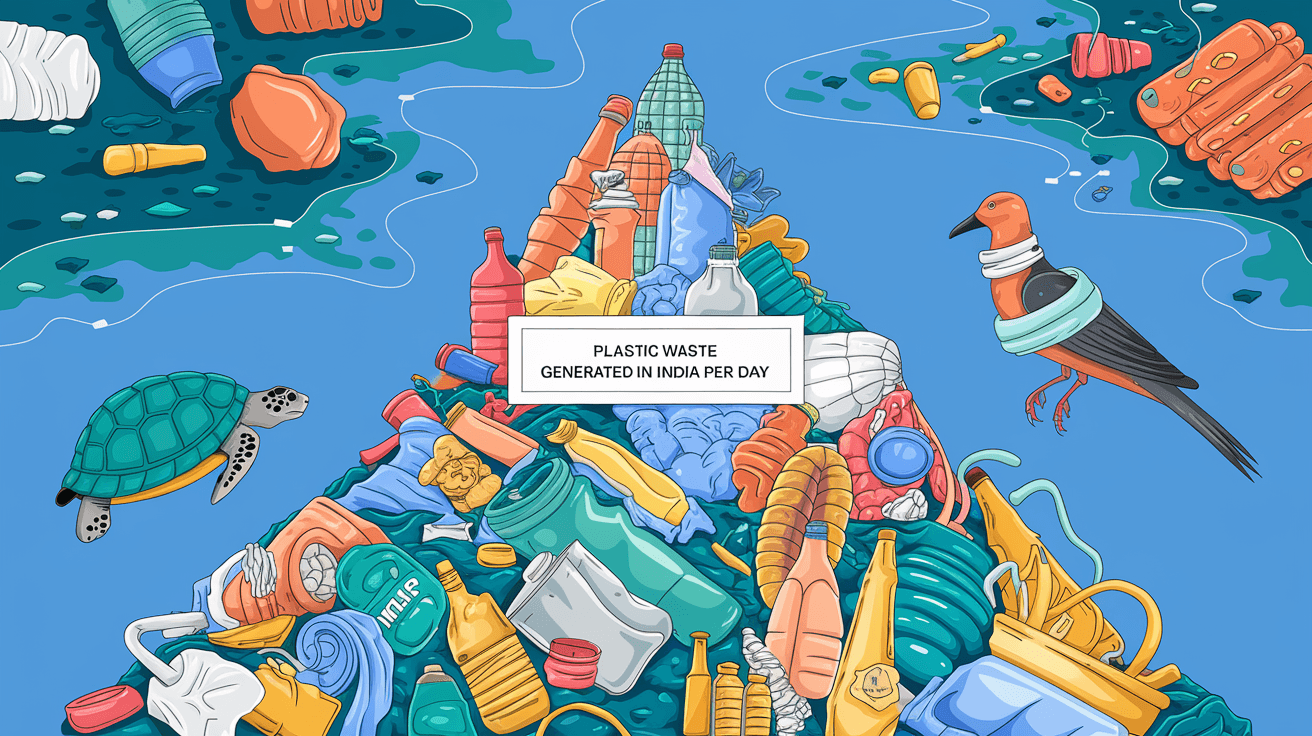
India generates a significant amount of plastic waste every day. Recent studies and government reports estimate that India produces around 3.5 million tonnes of plastic waste annually. Breaking this down, it means India generates roughly 9,500 to 10,000 tonnes of plastic waste every day.
This figure includes all types of plastic waste, from packaging materials to single-use plastics and industrial plastic scraps. The rapid urbanization, population growth, and increased use of plastic products contribute to this high volume.
Plastic waste in India comes in various forms. Understanding these types helps in managing and recycling them better.
Among these, single-use plastics form a large chunk of the waste generated daily. Many states in India have started banning or restricting single-use plastics to reduce this burden.
The daily generation of plastic waste has serious environmental consequences. Here’s how it affects India:
India’s coastal areas are particularly vulnerable, with plastic waste washing up on beaches and threatening marine ecosystems.
India has taken several steps to manage plastic waste, but challenges remain due to the sheer volume generated daily.
You might feel that one person can’t make a big difference, but small actions add up. Here are some ways you can reduce your plastic footprint:
By making these changes, you contribute to reducing the daily plastic waste burden in India.
India aims to become a zero plastic waste country by 2030. This ambitious goal requires cooperation from the government, industries, and citizens.
If these strategies succeed, India can significantly reduce the daily plastic waste generated and protect its environment.
India generates around 9,500 to 10,000 tonnes of plastic waste every day, a huge amount that poses serious environmental challenges. This waste comes mainly from single-use plastics, packaging, and industrial sources. The impact on land, water, and air is significant, affecting both human health and wildlife.
The good news is that India is actively working to manage and reduce plastic waste through government policies, recycling efforts, and public awareness. You also play a vital role by adopting simple habits to reduce plastic use. Together, we can help India move towards a cleaner, plastic-free future.
India generates approximately 9,500 to 10,000 tonnes of plastic waste daily, which adds up to around 3.5 million tonnes annually.
The main sources include single-use plastics, packaging materials, plastic bottles, industrial waste, and agricultural plastics.
India recycles about 60% of its plastic waste, thanks largely to informal waste pickers and recycling initiatives.
India has implemented bans on single-use plastics, updated plastic waste management rules, introduced Extended Producer Responsibility, and launched awareness campaigns.
Individuals can use reusable bags, avoid single-use plastics, segregate waste, support eco-friendly products, and participate in local clean-up efforts.