

How Much Maternity Leave in India
F
Discover verified facts, data, and insights about India’s states, culture, economy, education, and more — all in one place at FactBharat.
Search for a command to run...
Discover verified facts, data, and insights about India’s states, culture, economy, education, and more — all in one place at FactBharat.
No comments yet. Be the first to comment.
Moving to the USA from India is a dream for many. Whether you want to study, work, or live with family, the process can seem complex. But with the right information, you can plan your move confidently. I’ll guide you through the key steps and options...
Opening a college in India is a dream for many educators and entrepreneurs who want to contribute to the country’s education sector. If you are one of those who want to start a college, you need to understand the process clearly. It involves several ...
Opening a hospital in India is a significant and rewarding venture. If you’ve ever wondered how to start one, you’re in the right place. Whether you’re a healthcare professional, entrepreneur, or investor, understanding the process is crucial. You’ll...
Opening a medical store in India can be a rewarding business opportunity. You get to serve your community by providing essential medicines and healthcare products. If you are thinking about starting a medical store, you might wonder where to begin an...
Opening a restaurant in India can be an exciting and rewarding venture. Whether you dream of serving traditional Indian dishes or international cuisine, the process involves careful planning and understanding of local regulations. If you’re ready to ...
FactBharat | Insights About India
2558 posts
Discover verified facts, data, and insights about India’s states, culture, economy, education, and more — all in one place at FactBharat.
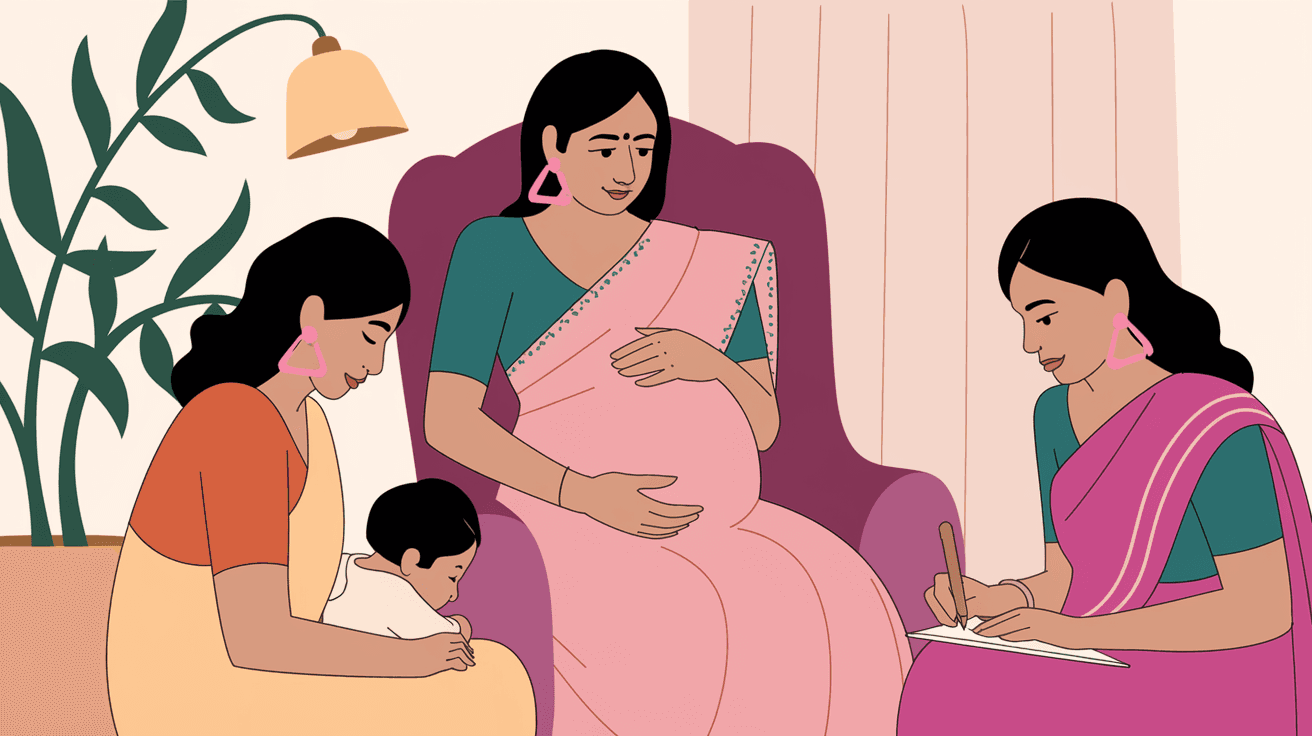
Maternity leave is a crucial benefit for working mothers, allowing them time to recover and bond with their newborns. If you’re wondering how much maternity leave you can get in India, you’re not alone. Many women want to understand their rights and the support available during this important phase of life.
In this article, I’ll walk you through the maternity leave laws in India, who qualifies, and what you can expect. Whether you work in the private sector, government, or are self-employed, knowing your maternity leave options helps you plan better for your family and career.
India has made significant progress in maternity benefits over the years. The main law governing maternity leave is the Maternity Benefit Act, 1961, which was amended in 2017 to extend leave duration and improve benefits.
Here’s what the law says:
This extension from the earlier 12 weeks to 26 weeks is a big step toward supporting working mothers. It allows more time for recovery and childcare, which is vital for both mother and baby.
Understanding eligibility is key to knowing if you can claim maternity leave benefits. Here’s a breakdown:
If you work in the unorganized sector or are self-employed, maternity leave benefits are not mandated by law but some states and companies offer support voluntarily.
Maternity leave in India can be categorized based on the situation:
This flexibility helps mothers manage their health and childcare needs effectively.
One of the biggest concerns is whether maternity leave is paid and how much you will receive. Under the Maternity Benefit Act:
This ensures financial stability for mothers during their leave period.
Government employees in India enjoy maternity benefits that often go beyond the minimum legal requirements. For example:
These benefits aim to promote family welfare and gender equality in the workplace.
The private sector in India must comply with the Maternity Benefit Act, 1961, including the 2017 amendment. However, implementation varies:
If you work in the private sector, check your employment contract and company policies for specific maternity leave details.
Despite legal protections, many working mothers face challenges in accessing maternity leave:
Addressing these challenges requires awareness, better enforcement of laws, and supportive workplace policies.
Applying for maternity leave is straightforward if you follow these steps:
Proper communication helps ensure a smooth maternity leave process.
The Maternity Benefit Act protects your job during maternity leave:
These protections help you feel secure about your job while focusing on your newborn.
India is continuously improving maternity benefits. Some recent trends include:
These changes aim to create a more family-friendly work environment.
Returning to work after maternity leave can be challenging. Here are some tips to help you balance both:
Balancing work and motherhood is possible with the right support and planning.
Understanding how much maternity leave you can get in India is essential for planning your family and career. The law provides 26 weeks of paid leave for eligible women, with protections to secure your job and income. Whether you work in government or private sectors, knowing your rights helps you make informed decisions.
While challenges remain, ongoing improvements and workplace support are making it easier for mothers to balance work and family. If you’re expecting, start early by informing your employer and preparing for your leave. This way, you can enjoy your maternity leave with peace of mind and focus on your new arrival.
Eligible women in India get 26 weeks of paid maternity leave under the Maternity Benefit Act. Adoptive and commissioning mothers receive 12 weeks of leave.
Women working in establishments with 10 or more employees who have worked at least 80 days in the past 12 months qualify for maternity leave.
Yes, maternity leave is fully paid, including basic salary and allowances, for the entire 26 weeks.
Paternity leave is not mandated by law but many government and private employers offer 15 days or more to support fathers.
Women are entitled to 6 weeks of maternity leave from the date of miscarriage or medical termination of pregnancy.