

How Much Land Is Degraded in India
F
Discover verified facts, data, and insights about India’s states, culture, economy, education, and more — all in one place at FactBharat.
Search for a command to run...
Discover verified facts, data, and insights about India’s states, culture, economy, education, and more — all in one place at FactBharat.
No comments yet. Be the first to comment.
Moving to the USA from India is a dream for many. Whether you want to study, work, or live with family, the process can seem complex. But with the right information, you can plan your move confidently. I’ll guide you through the key steps and options...
Opening a college in India is a dream for many educators and entrepreneurs who want to contribute to the country’s education sector. If you are one of those who want to start a college, you need to understand the process clearly. It involves several ...
Opening a hospital in India is a significant and rewarding venture. If you’ve ever wondered how to start one, you’re in the right place. Whether you’re a healthcare professional, entrepreneur, or investor, understanding the process is crucial. You’ll...
Opening a medical store in India can be a rewarding business opportunity. You get to serve your community by providing essential medicines and healthcare products. If you are thinking about starting a medical store, you might wonder where to begin an...
Opening a restaurant in India can be an exciting and rewarding venture. Whether you dream of serving traditional Indian dishes or international cuisine, the process involves careful planning and understanding of local regulations. If you’re ready to ...
FactBharat | Insights About India
2558 posts
Discover verified facts, data, and insights about India’s states, culture, economy, education, and more — all in one place at FactBharat.
Land degradation is a pressing issue in India, affecting millions of hectares of land across the country. You might wonder how much land is actually degraded and what that means for the environment and agriculture. Understanding the scale of this problem is essential if we want to protect our natural resources and ensure sustainable development.
In this article, I will walk you through the current status of land degradation in India. We’ll explore the causes, the regions most affected, and the efforts underway to restore degraded lands. By the end, you’ll have a clear picture of the challenges India faces and what can be done to tackle this issue.
Land degradation means the decline in the quality of land, making it less productive and less able to support plants, animals, and human activities. It happens when soil loses its nutrients, structure, or water-holding capacity. This can be caused by natural factors like drought or floods, but mostly it results from human activities.
Here are some common causes of land degradation in India:
Understanding these causes helps us see why land degradation is a complex problem that needs careful management.
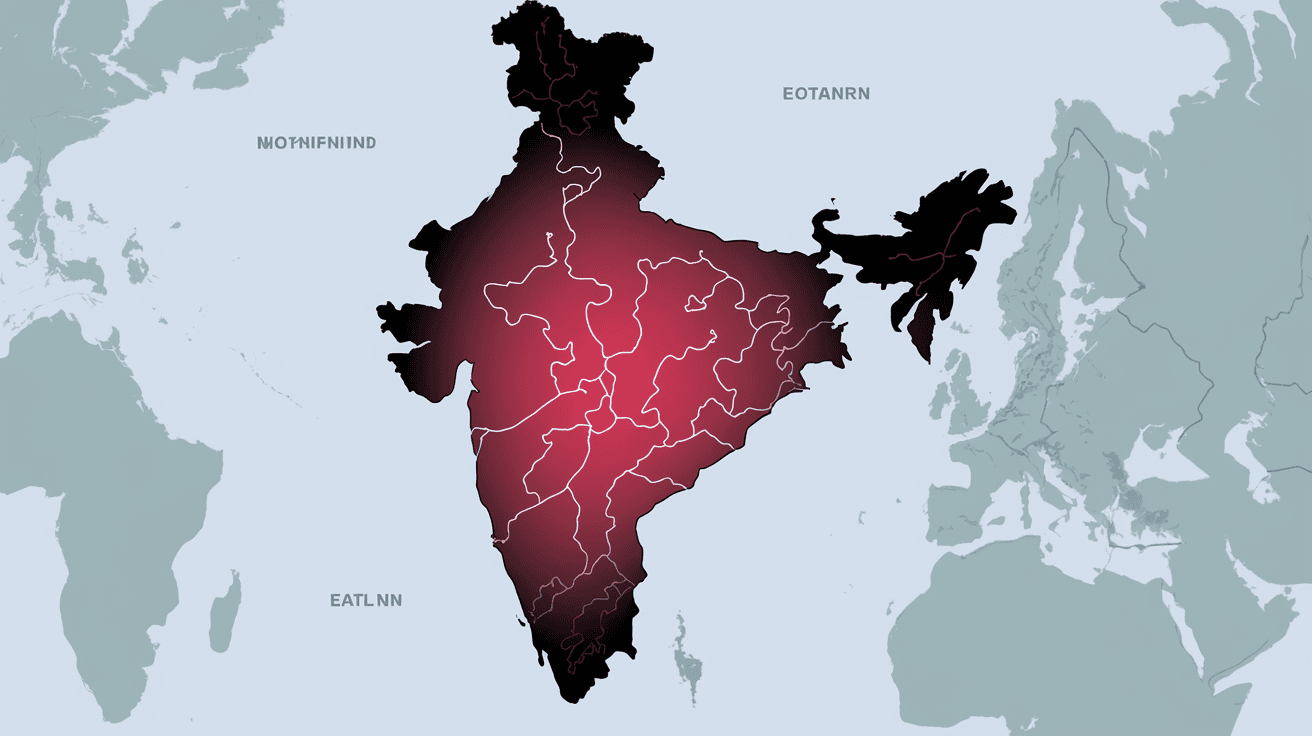
India has a vast land area of about 328 million hectares. According to the latest reports from the Ministry of Environment, Forest and Climate Change and the Space Applications Centre, nearly 120 million hectares of land in India are degraded. This means about 36% of the country’s total land area faces some form of degradation.
The degraded land includes:
This scale of degradation poses serious risks to food security, biodiversity, and the livelihoods of millions of people.
Land degradation is not uniform across India. Some regions face more severe problems due to their climate, soil type, and human activities.
Each region requires tailored solutions to address its unique challenges.
Land degradation directly affects agriculture, which is the backbone of India’s economy and food supply. When land loses fertility, crop yields drop, leading to lower income for farmers and higher food prices.
Here are some impacts:
The environment also suffers as degraded lands contribute to dust storms, reduced groundwater recharge, and increased carbon emissions.
The Indian government has recognized the seriousness of land degradation and launched several programs to restore degraded lands and promote sustainable land use.
Some key initiatives include:
These programs involve local communities, scientists, and policymakers working together to restore land health.
Technology plays a vital role in understanding and managing land degradation in India. Satellite imagery, Geographic Information Systems (GIS), and remote sensing help track changes in land cover and soil quality over time.
Benefits of technology include:
For example, the Indian Space Research Organisation (ISRO) regularly provides updated land degradation maps that guide government actions.
Everyone can contribute to reducing land degradation. Here are some simple steps you can take:
Small actions add up when communities work together.
While India faces significant challenges with land degradation, there are also opportunities for improvement. Increased awareness, better technology, and stronger policies are helping slow down degradation.
However, rapid urbanization, climate change, and population growth continue to put pressure on land resources. Addressing these issues requires:
With sustained effort, India can restore degraded lands and secure a healthier environment for future generations.
Understanding how much land is degraded in India reveals the scale of a serious environmental challenge. Nearly 120 million hectares of land face degradation, impacting agriculture, biodiversity, and livelihoods. The causes are varied, from deforestation to unsustainable farming, and the effects are felt across different regions.
Fortunately, the government and communities are working hard to restore degraded lands through various programs and technology. You can also play a role by adopting sustainable practices and supporting conservation efforts. Together, we can protect India’s land and ensure it remains fertile and productive for years to come.
Land degradation is measured using satellite data, soil testing, and field surveys. Agencies like ISRO provide detailed maps showing erosion, salinity, and vegetation loss to assess the extent of degradation.
The main causes include deforestation, overgrazing, unsustainable farming, urban expansion, and mining activities. Natural factors like drought also contribute but human actions are the primary drivers.
Rajasthan, Gujarat, Maharashtra, parts of the Indo-Gangetic plains, and coastal states like Tamil Nadu and Odisha are among the most affected due to their climate and land use patterns.
Programs like the National Afforestation Programme, Soil Health Card Scheme, Desert Development Programme, and Watershed Development Projects focus on restoring degraded lands and promoting sustainable use.
Individuals can practice sustainable farming, plant trees, conserve water, manage livestock responsibly, and support local conservation initiatives to help prevent further land degradation.