

How Much Land a Person Can Own in India
F
Discover verified facts, data, and insights about India’s states, culture, economy, education, and more — all in one place at FactBharat.
Search for a command to run...
Discover verified facts, data, and insights about India’s states, culture, economy, education, and more — all in one place at FactBharat.
No comments yet. Be the first to comment.
Moving to the USA from India is a dream for many. Whether you want to study, work, or live with family, the process can seem complex. But with the right information, you can plan your move confidently. I’ll guide you through the key steps and options...
Opening a college in India is a dream for many educators and entrepreneurs who want to contribute to the country’s education sector. If you are one of those who want to start a college, you need to understand the process clearly. It involves several ...
Opening a hospital in India is a significant and rewarding venture. If you’ve ever wondered how to start one, you’re in the right place. Whether you’re a healthcare professional, entrepreneur, or investor, understanding the process is crucial. You’ll...
Opening a medical store in India can be a rewarding business opportunity. You get to serve your community by providing essential medicines and healthcare products. If you are thinking about starting a medical store, you might wonder where to begin an...
Opening a restaurant in India can be an exciting and rewarding venture. Whether you dream of serving traditional Indian dishes or international cuisine, the process involves careful planning and understanding of local regulations. If you’re ready to ...
FactBharat | Insights About India
2558 posts
Discover verified facts, data, and insights about India’s states, culture, economy, education, and more — all in one place at FactBharat.
If you’re wondering how much land a person can own in India, you’re not alone. Land ownership rules in India can be complex because they vary by state and depend on the type of land. Whether you want to buy farmland, residential plots, or commercial property, knowing the limits is important.
In this article, I’ll walk you through the key laws and regulations about land ownership in India. You’ll learn about state-specific restrictions, types of land ownership, and how these rules affect you as a buyer or owner. Let’s dive in and clear up the confusion around land ownership limits in India.
Land ownership in India is governed by a mix of central laws and state-specific regulations. The Constitution gives states the power to regulate land, so rules can differ widely. Here are the main types of land ownership you should know:
Each type has different ownership rules, especially when it comes to how much land one person can own.
India’s states have their own laws limiting how much land an individual or entity can own. These limits are mostly to prevent land hoarding and to promote equitable distribution. Here’s a quick overview of some key states:
These limits can vary based on factors like the type of land, whether the owner is an individual or a company, and local land ceiling laws.
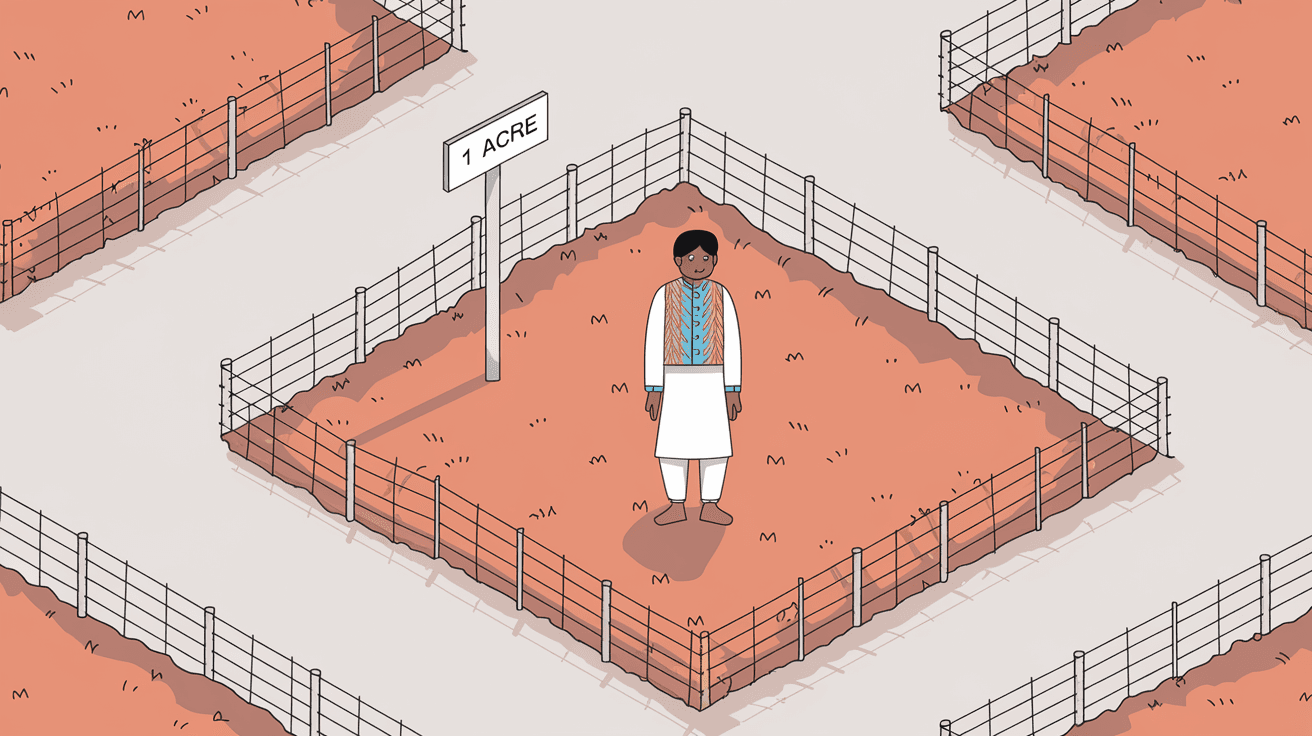
Land ceiling laws are designed to limit the maximum amount of agricultural land a person or family can own. These laws were introduced to reduce inequality and promote land reforms. Here’s what you need to know:
For example, in Maharashtra, the ceiling is about 18 acres, while in Tamil Nadu, it’s around 10 acres. These laws mainly apply to agricultural land and do not affect urban or commercial land.
If you’re a non-resident Indian (NRI) or foreigner, land ownership rules are stricter. Here’s how it works:
These rules aim to protect agricultural land and control foreign investment in real estate.
Before buying land, it’s crucial to check ownership limits and legal restrictions. Here’s a simple checklist:
Doing this homework helps avoid legal troubles and ensures your land purchase is valid.
Land ownership limits affect how you invest in real estate in India. Here’s what you should consider:
Understanding these factors helps you plan your investment strategy wisely.
India’s land laws are evolving to support economic growth and urbanization. Some recent trends include:
These changes aim to make land ownership more accessible and secure.
Knowing how much land a person can own in India depends on many factors, including the type of land and the state where it is located. Agricultural land has strict limits under land ceiling laws, while residential and commercial land ownership is generally more flexible.
Before buying land, it’s important to understand these rules and check local laws carefully. This helps you avoid legal issues and make smart investments. Whether you’re buying farmland or a home, being informed about land ownership limits in India is essential for your peace of mind.
Agricultural land ownership limits vary by state, typically ranging from 5 to 18 acres. These limits are set by land ceiling laws to prevent large landholdings.
Foreign nationals generally cannot buy land in India unless they have government permission. NRIs can buy residential and commercial property but not agricultural land.
Most states do not impose strict limits on residential land ownership. You can usually buy as much residential land as you want, subject to local zoning laws.
If a person owns agricultural land beyond the ceiling limit, the government can acquire the excess land without compensation under land ceiling laws.
You should check the land type, consult state land ceiling laws, visit local land registry offices, and seek legal advice to ensure compliance with ownership limits.